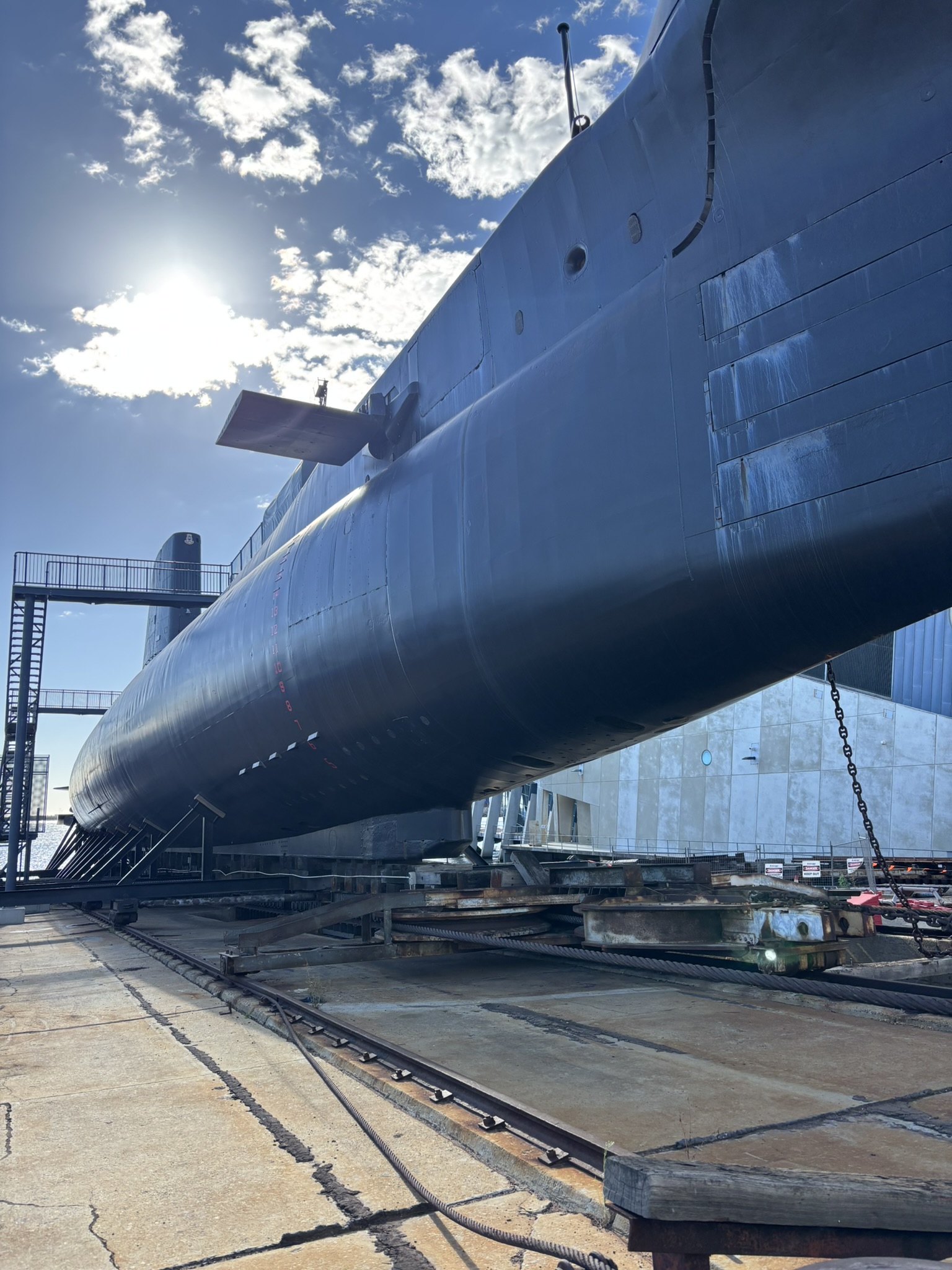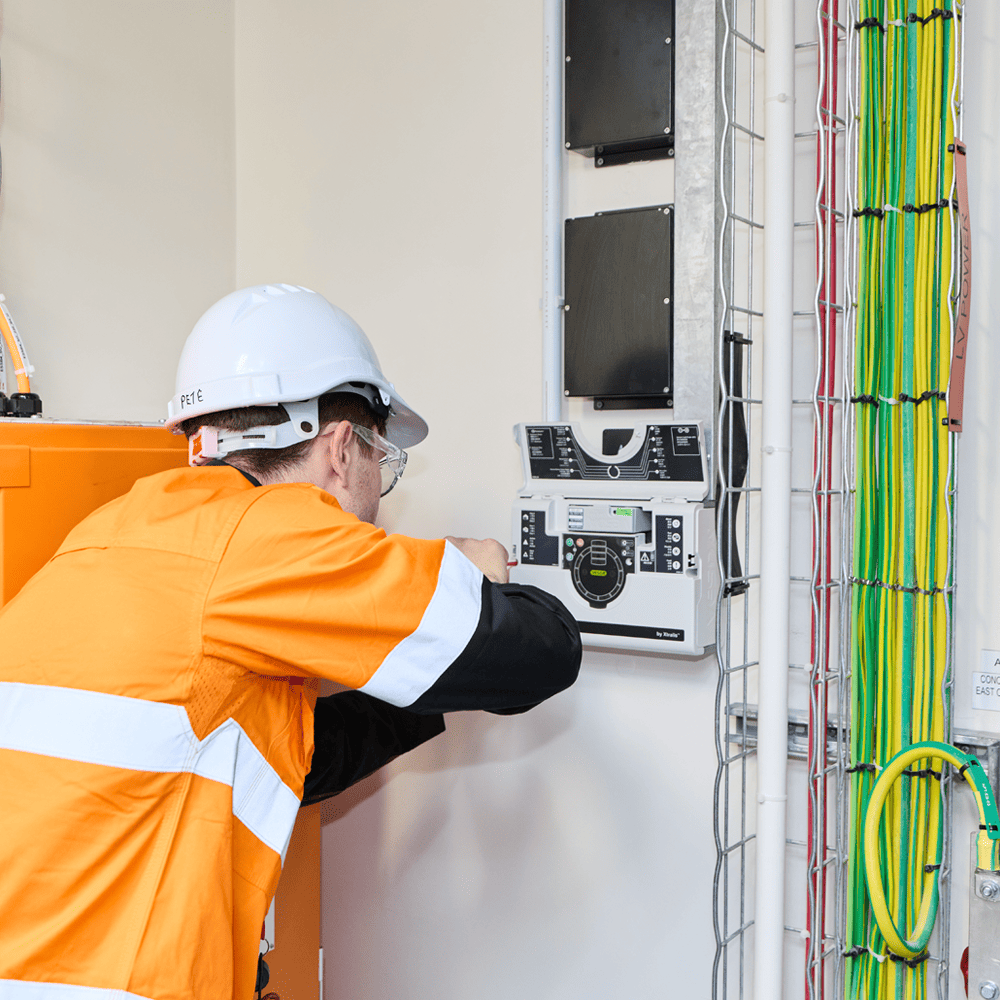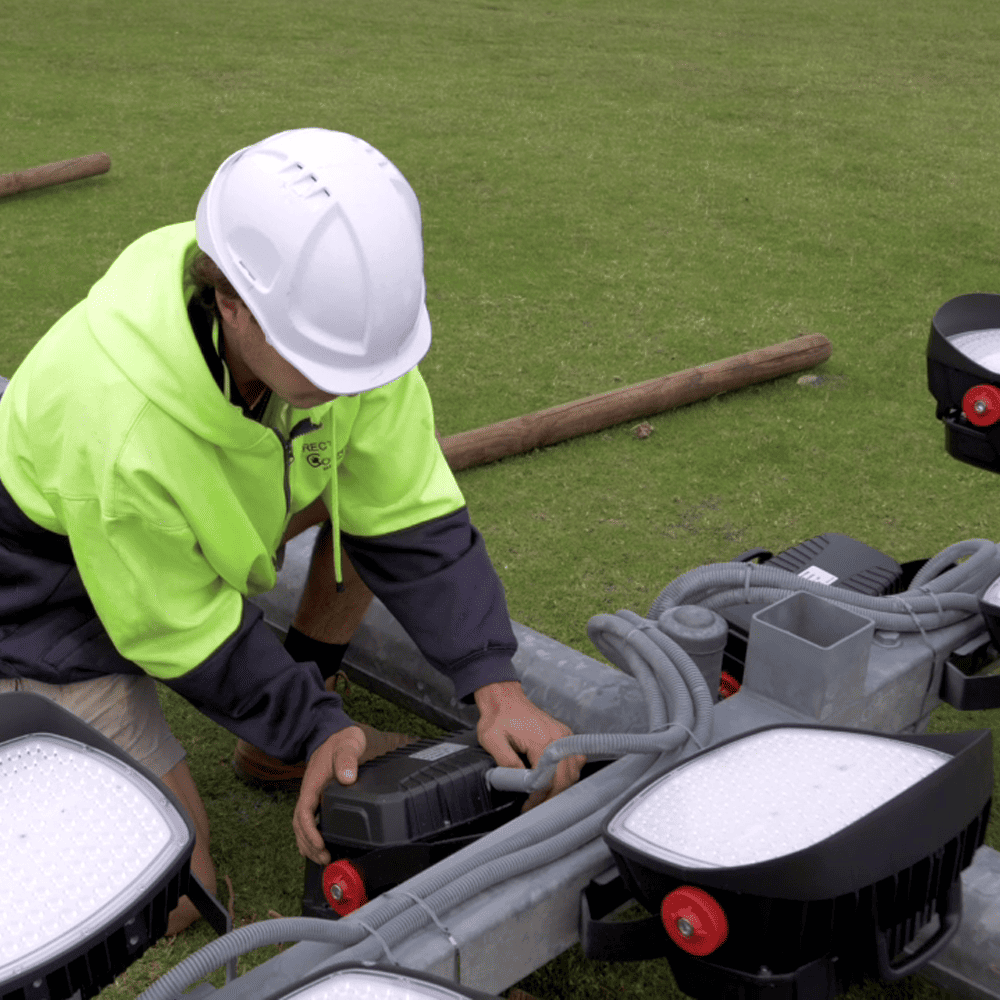
Yes, professional tradies do work on decommissioned submarines, and the compliance load on that kind of job looks nothing like a standard commercial fit-out. Retired subs turned into museum exhibits or heritage displays still need working lighting, ventilation and monitoring systems, and someone has to install and maintain them.
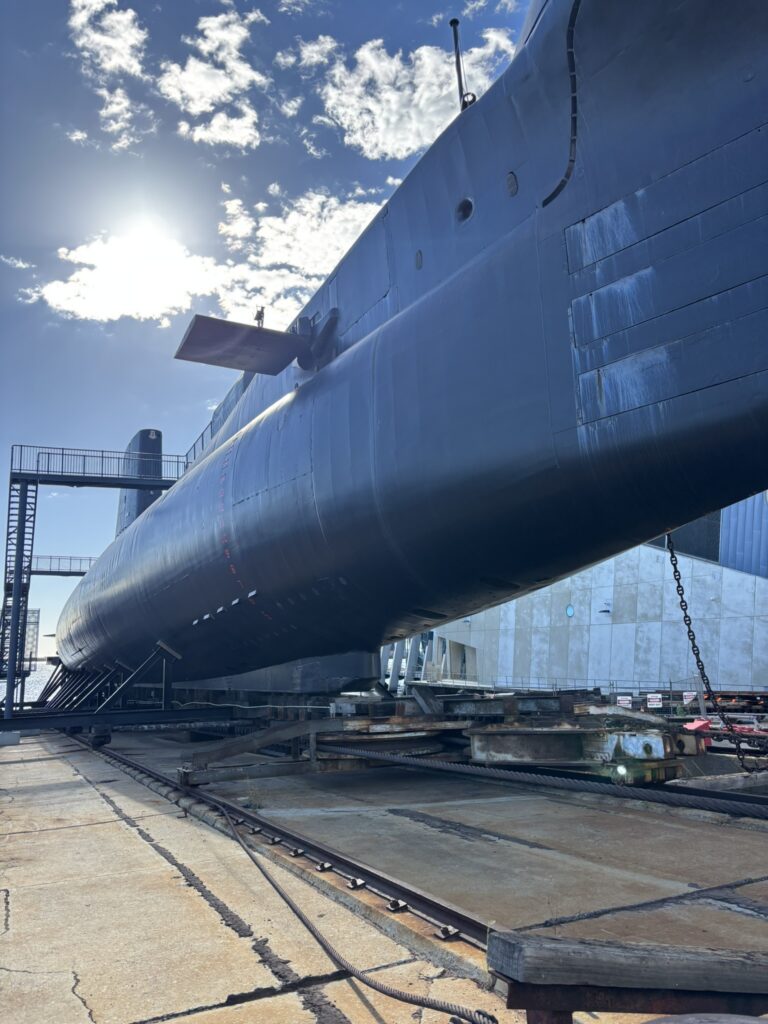
A decommissioned submarine, in trade terms, is a vessel stripped of its military systems and handed over for public display, research or preservation. Its hull and internal layout usually stay largely as they were.
That’s where mechanical electrical installation work comes into it, threading modern services through a space that was never built to take them. The trades involved aren’t doing anything exotic. They’re running cable and fitting switchboards, same as any other job. The difference is getting a building management system to talk to a hull far older than the standards it now has to meet.
What Makes a Decommissioned Submarine Different from a Normal Job Site
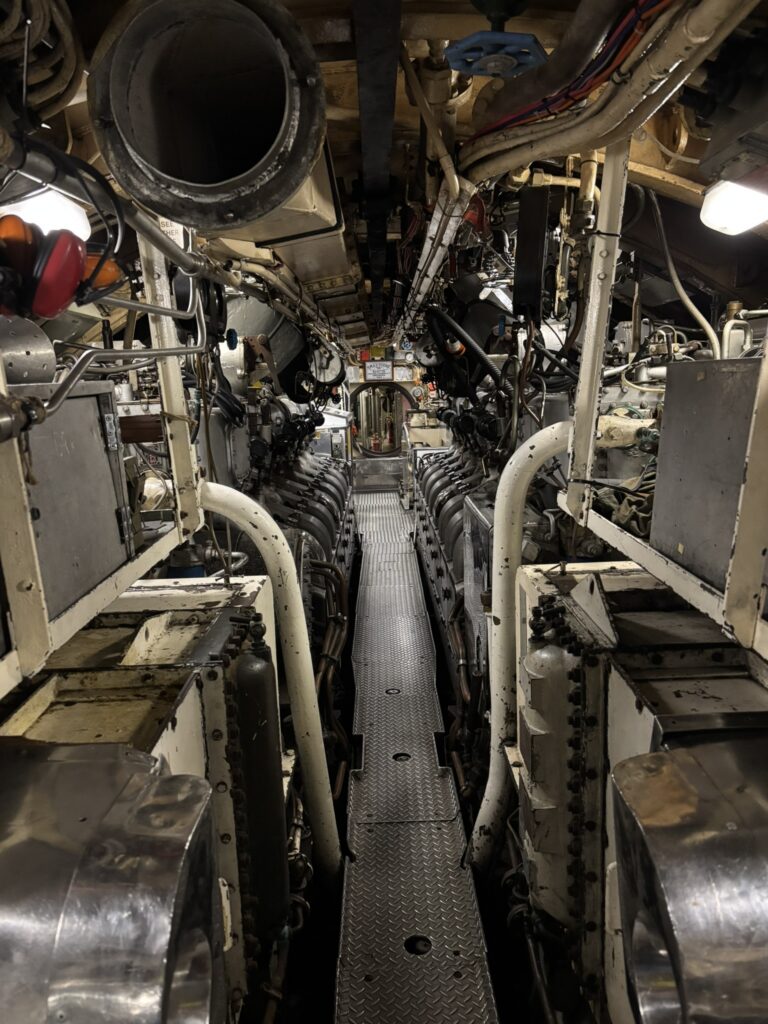
A decommissioned submarine differs from a typical job site because every wall, floor plate and bulkhead was built decades ago for a completely different crew. None of it was built for cable trays or switchboards.
There’s no riser space. There’s no ceiling void to drop a run into. Curved steel doesn’t take a standard bracket the way a stud wall does.
Most commercial mechanical electrical installation work assumes a building fabric designed with services in mind. A submarine’s structure stays fixed and historic, and every service has to work around it. Every fixing point gets planned individually instead of following a standard sequence.
Why Space and Access Become the Biggest Problem
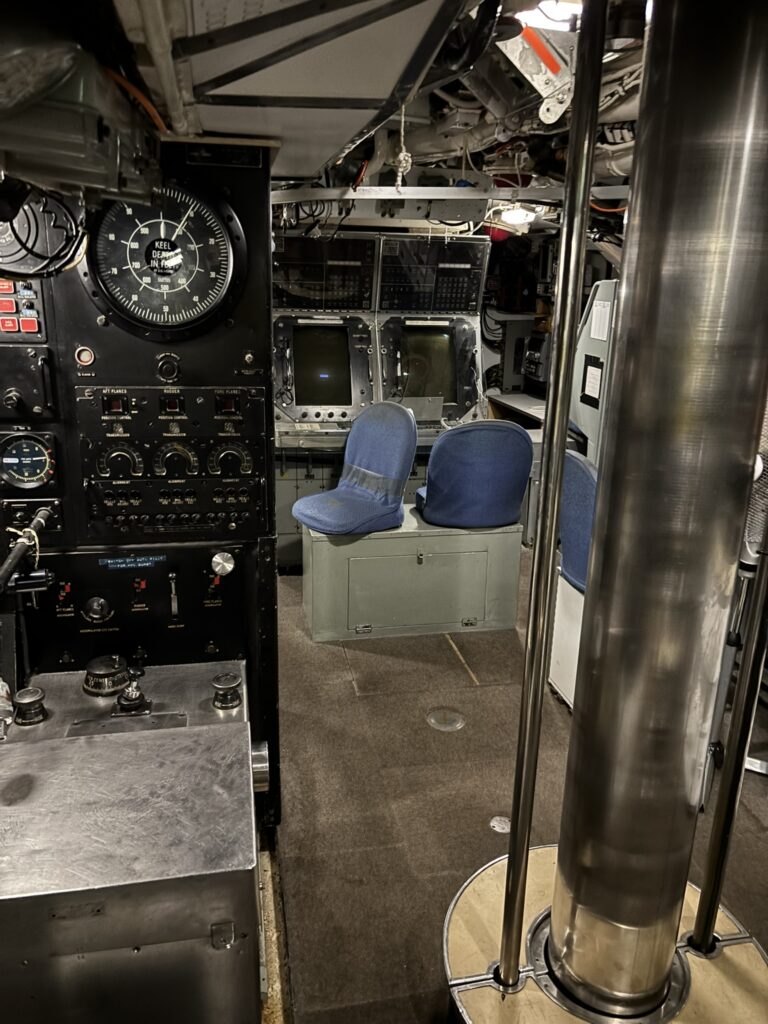
Space is usually the first thing that catches out a crew who hasn’t done this kind of job before. It’s rarely the electrical work itself that slows things down.
Compartments on an older sub were sized for a much smaller crew doing a much narrower range of tasks. Fitting a modern install team and their gear into that footprint takes real planning.
Common access problems on a job like this include:
- Hatches too narrow for standard tool cases, so gear often gets broken down and carried through in pieces
- Compartments that fit one person working at a time, which stretches out simple tasks
- No straight cable runs, meaning most routes bend around original pipework and fittings
- Access below deck that’s often limited to no crane or forklift capacity at all, so gear typically gets hand carried
- Ventilation limits that can cap how long anyone comfortably works in some sealed sections
None of this is unusual once a crew has done one of these jobs. On the first one, it catches almost everyone out.
How Heritage Listing Changes the Way Work Gets Approved
Heritage listing changes the approval process by requiring sign off on almost every fixing point and cable route before any permanent work happens. A heritage listed vessel can’t be treated as an ordinary asset, even where a fixing looks minor to the trade doing it.
That adds a layer most commercial jobs skip entirely. There’s no point throwing money at a fast program if heritage sign off isn’t factored in from day one.
Programs on a heritage vessel typically build in extra time for site checks with the museum or heritage body before committing to anything permanent. Confined space entry also usually falls under AS 2865. That standard sets out atmospheric testing, permits and rescue planning requirements, regardless of how short the task inside looks.
What This Kind of Installation Actually Involves
A mechanical electrical installation inside a decommissioned submarine usually covers new switchboards, lighting circuits and ventilation controls. It also covers a building management system integrated with the site’s existing infrastructure.
The scope has to support both a museum’s daily operating needs and the vessel’s condition as a historic asset.
Typical scope on a job like this includes:
- New lighting and small power circuits sized for visitor safety rather than crew operation
- Ventilation and monitoring tied into a BMS that non-specialist museum staff can read
- Life safety systems, including emergency lighting and detection through internal spaces
- Cabling containment adapted to the hull rather than run through standard trays
- Coordination with other trades working the same cramped compartments on a staggered schedule
Nobody works inside the hull all day. The BMS’s job is straightforward: giving museum staff a way to monitor conditions without needing specialist naval knowledge.
How Museum Operating Hours Shape the Program
Museum operating hours shape the program by forcing disruptive work into set windows instead of assuming full access to the site. A vessel open for daily tours can’t be treated as a closed construction site, even mid install.
Staging usually follows a rough sequence:
- Early morning or after-hours slots are often set aside for the most disruptive tasks
- Compartment by compartment sequencing keeps tours running through unaffected sections
- Trades coordinate regularly so nobody’s double booked into the same tight space
- The program stays flexible, since access to one compartment can depend on another trade finishing first
Lessons Crews Learn the Hard Way on Their First Heritage Vessel Job
Crews new to this kind of job usually learn the same handful of lessons. The common line in the trade is that a submarine job is just electrical work in a tighter box. Crews who’ve actually done one would disagree.
Standard fixing methods that work fine on a stud wall or a steel frame don’t always grip curved, historic steel the way people expect. Brackets get reworked on site more often than they get installed as planned.
A few things that catch first timers out:
- Assuming a bracket spec from a normal job will transfer straight across to curved hull plating, when it often doesn’t
- Underestimating how long heritage sign off takes, which throws out an otherwise tight program
- Moisture that’s built up in sealed sections not ventilated the way a modern building would be, which can catch a program off guard
- Radios and handheld devices that lose signal inside thick steel compartments, which can slow basic coordination
None of these are dramatic on their own. Stacked together across a whole program, they’re usually what separates a job that runs to schedule from one that doesn’t. It’s the crews who get a proper crack at planning before quoting who tend to avoid the worst of it.
Frequently Asked Questions
Do Tradies Need Special Licensing to Work Inside a Decommissioned Submarine?
No special submarine specific licence exists in Australia for this kind of work. Standard electrical and mechanical licensing still applies, alongside confined space training under AS 2865 where the compartments meet that definition. Heritage bodies may also require an induction specific to the site before work starts.
How Long Does This Kind of Installation Typically Take?
There’s no fixed timeframe. A program on a heritage submarine like this can stretch to several months once approvals, staged access and coordination with other trades are factored in. Straightforward commercial jobs of a similar electrical scope would usually take a fraction of that time.
Is Confined Space Training Mandatory for This Kind of Job?
It’s mandatory wherever a compartment meets the legal definition of a confined space under work health and safety regulations. Most internal sections of an older submarine fall into that category due to limited ventilation and restricted entry and exit points. Entry permits, atmospheric testing and rescue plans are standard requirements before anyone goes in.
Final Thoughts
Tradies can and do work on decommissioned submarines, and the mechanical electrical installation side of that work is a long way from routine. The trade skills involved aren’t unusual. What changes is everything around them.
Crews who’ve done one of these jobs plan the next one very differently. The ones who haven’t find that out the hard way, one compartment at a time.