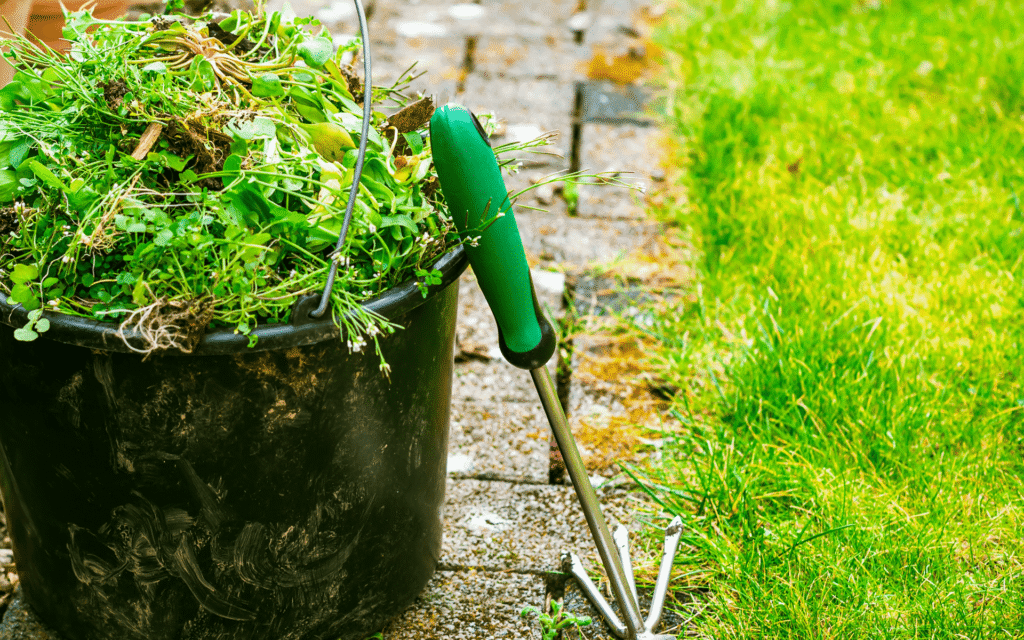
Preparing a yard for September warmth begins with a solid assessment in August. A professional spring lawn checklist focuses heavily on late winter soil diagnostics. Many property owners ignore their turf entirely during the colder months. Groundwork done during this quiet period guarantees thick growth later.
Scheduling Soil Tests in August
Taking core samples from the yard in late winter dictates the entire amendment schedule for the upcoming season. Actual diagnostics start in August when the soil profile sits stable. Turf professionals never guess what the dirt needs.
- Using a dedicated soil probe pulls a clean plug from below the surface.
- Testing multiple zones across the block provides an accurate average reading.
- Sending the samples to a proper lab returns precise chemical data.
Targeting a soil pH between 6.0 and 7.0 acts as the main goal here. Coastal Australian soils often drift away from this ideal range over time. The test results confirm exactly how much product the ground needs.
Spraying Prodiamine-Based Liquids
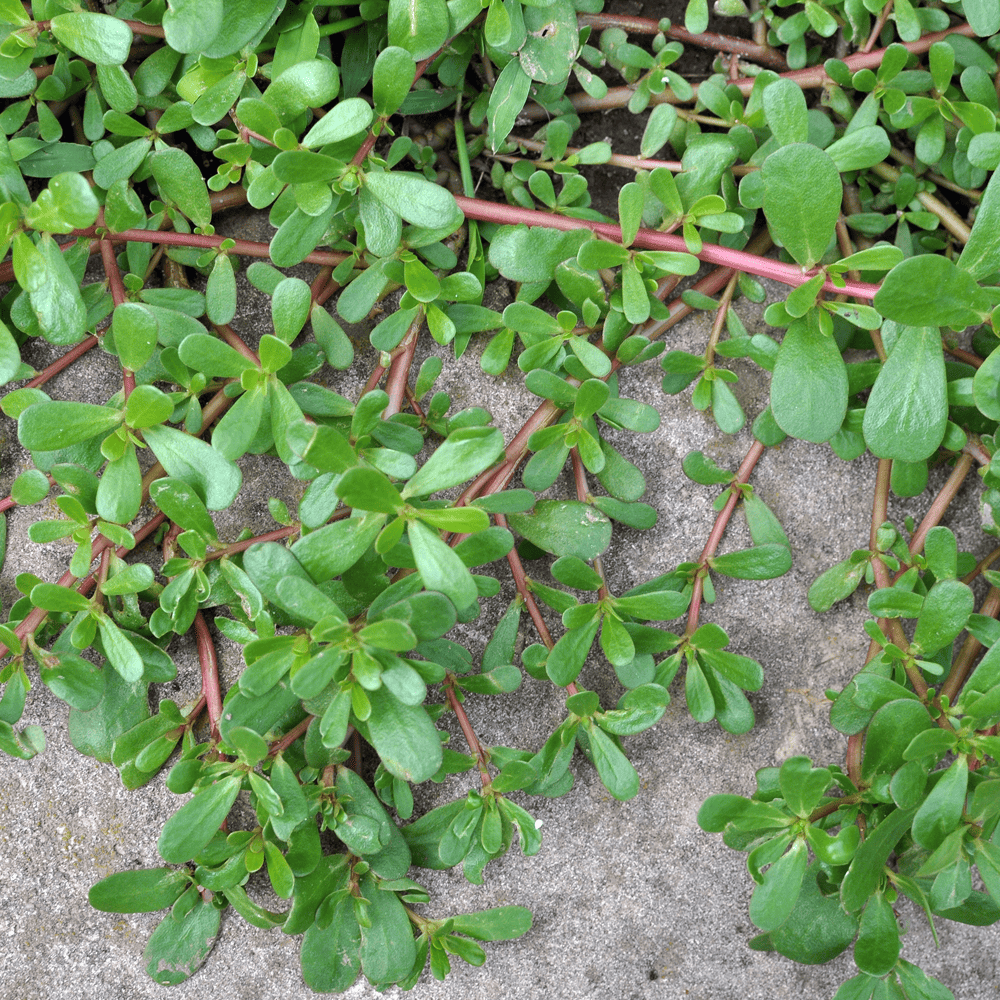
Spraying prodiamine-based liquids across the yard in late winter creates a highly effective chemical barrier against weeds. This preventative liquid application stops weed seeds from germinating before the turf wakes up. Pre-emergent applications in August save endless hours of hand-weeding later.
The liquid formula binds directly to the top layer of the soil profile. It sits there waiting for the seasonal weed seeds to split open. Using a liquid product provides much better coverage than spreading granular options.
- Mixing the concentrate exactly to the label rates prevents any application errors.
- Using a flat fan nozzle ensures a uniform chemical blanket across the block.
- Applying irrigation washes the liquid off the leaves and into the dirt.
Getting this barrier down early gives the good grass a massive head start. The turf gets a proper crack at establishing itself without any aggressive competition. Once the soil warms up, the desired grass fills in fast.
This single application completely changes the workload for the rest of the year. Operators know that stopping weeds before they emerge makes absolute sense.
Treating Hydrophobic Dirt with Wetting Agents
Applying high-quality wetting agents in late winter conditions the soil to absorb and hold moisture efficiently. These products break down the waxy coatings on soil particles that naturally repel incoming water. Proper moisture retention forms the foundation of any solid spring lawn checklist.
Hydrophobic soil forces water to pool on the surface and run straight into gutters. August serves as the perfect time to treat the dirt for early spring rains. A good wetting agent changes the physical structure of the topsoil.
- Spraying a liquid soil wetter coats every single grain of sand evenly.
- Watering the product in heavily pushes the surfactants deep into the root zone.
- Following up with a secondary application two weeks later ensures total saturation.
Sandy soils in states like Western Australia absolutely demand this treatment. The water just sits on top and evaporates in the spring wind without it. Conditioning the soil early means every drop of water actually reaches the roots.
Turf experts treat wetting agents as non-negotiable tools in their kits. A yard that holds moisture efficiently requires far less irrigation once the heat arrives.
Structuring a Liquid Nutrition Program
Setting up a liquid nutrition program using a targeted spring pack ensures fast nutrient absorption when temperatures rise. Liquid fertilisers hit the root zone instantly without needing heavy rain to break down. Moving away from standard granular feeds gives the operator much more control.
A solid spring pack usually contains a mix of root health boosters and liquid nutrition. The focus early on rests entirely on supporting the underground root system. Strong roots support heavy top growth later in the season.
Applying liquid kelp and humic acid in August conditions the soil beautifully. These biostimulants encourage beneficial microbial activity beneath the surface. The microbes go to work processing organic matter into usable plant food.
Frequently Asked Questions
When Should the Spring Lawn Checklist Start?
The preparation process really needs to begin in August. Actual diagnostics and physical treatments start in late winter while the ground stays quiet. Getting ahead of the seasonal shift ensures the yard is primed for September.
What Does Agricultural Lime Actually Do?
Spreading agricultural lime directly raises the pH level of the soil. It pushes acidic dirt back towards the ideal range of 6.0 to 7.0. This chemical adjustment allows the grass to absorb applied liquid nutrients much more efficiently.
Why Use Prodiamine-Based Liquids?
Spraying prodiamine-based liquids creates a reliable chemical barrier in the topsoil. This specific application stops seasonal weed seeds from germinating before spring. It’s a preventative measure that massively reduces manual weeding later in the year.
Final Thoughts
Executing a solid maintenance routine in August sets the yard up for massive success. The work completed during late winter always dictates the quality of the spring flush. Testing the soil and adjusting the pH beforehand ensures the ground stays chemically ready. Spraying pre-emergents guarantees the grass gets a clean run without weed competition.