On most commercial sites, a switchboard replacement is a routine planned outage. On a cool store running a transcritical CO2 refrigeration system, the same job carries a very different level of risk.
Flower, potted plant and foliage stock leaves very little time to recover from a mistake. Field experience shows the real difficulty lies in sequencing electrical work around a CO2 refrigeration system that can’t safely sit idle.
What a Transcritical CO2 Switchboard Actually Does
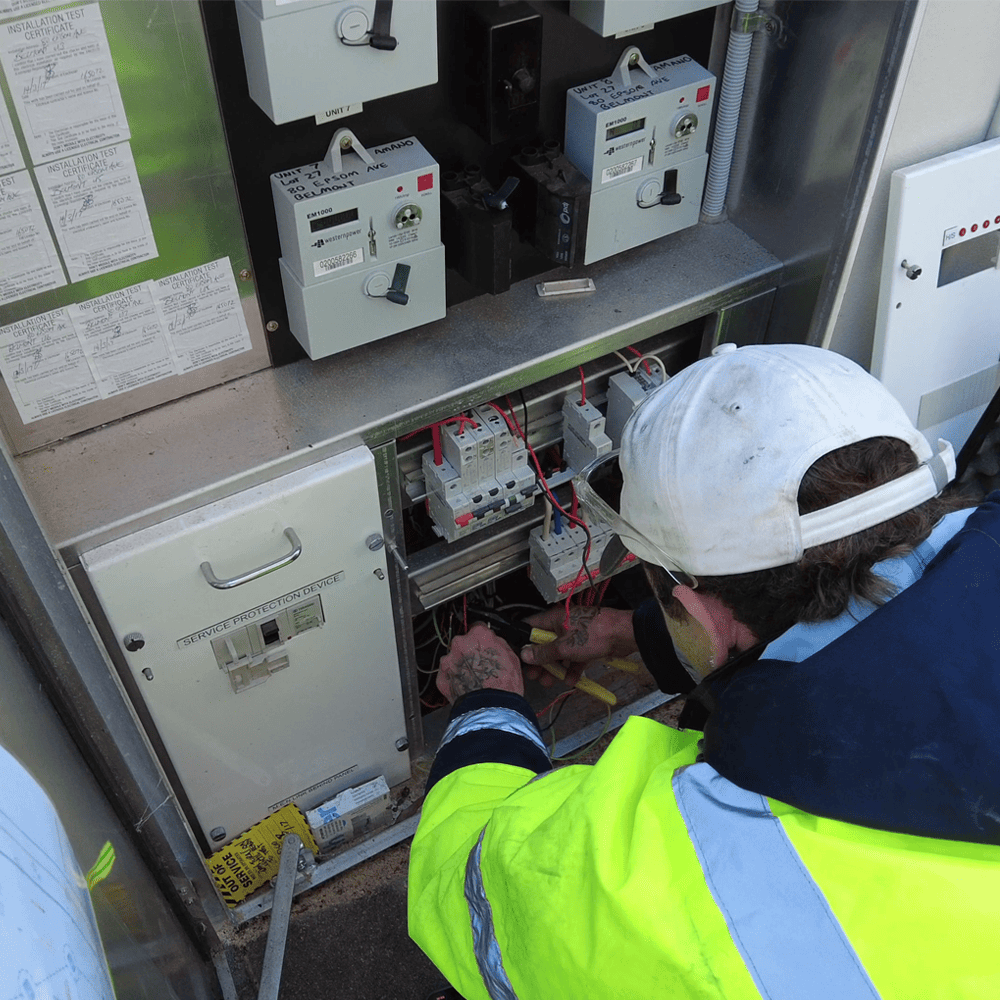
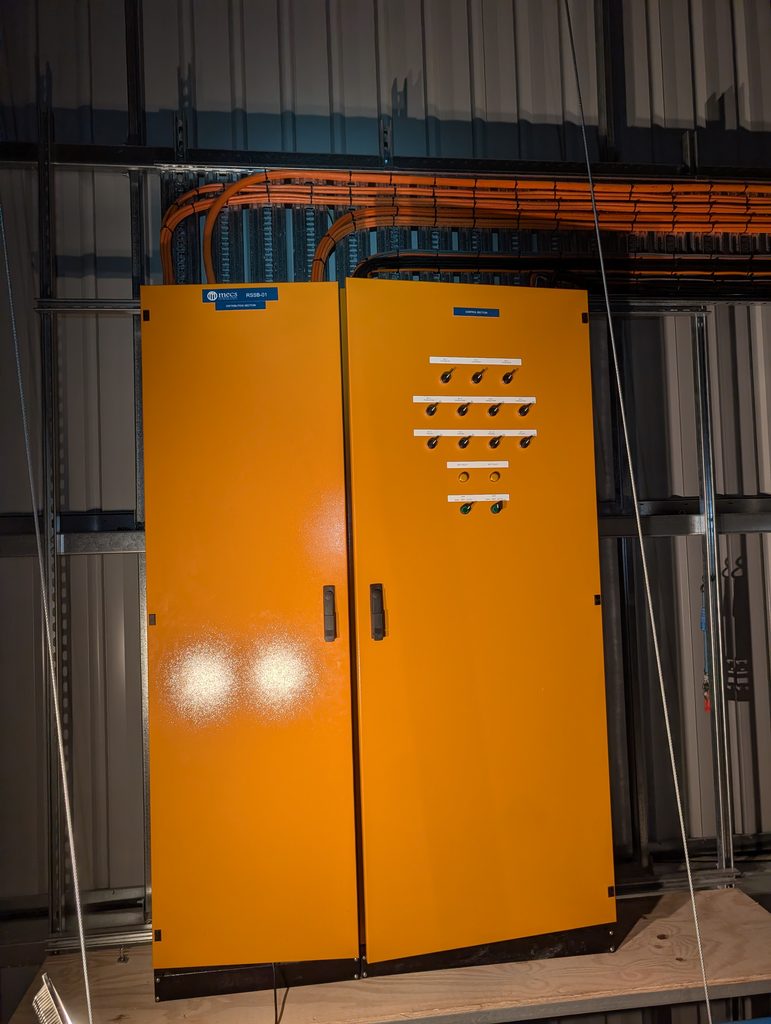
A transcritical CO2 switchboard distributes power across the refrigeration plant and houses the drives, protection and control circuits that keep it stable. A typical board on these plants carries:
- Variable speed drives for the compressor rack, usually including the lead compressor
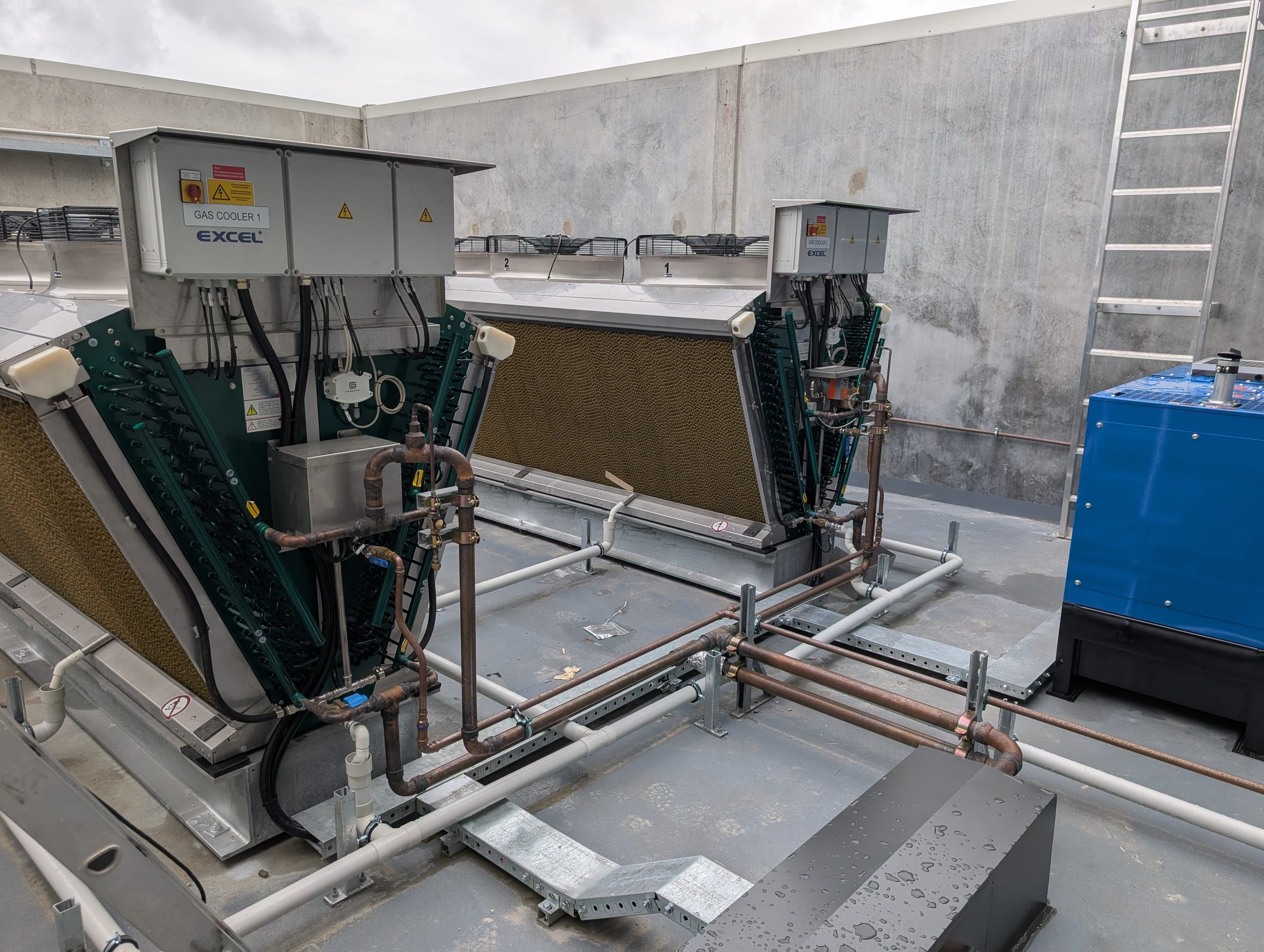
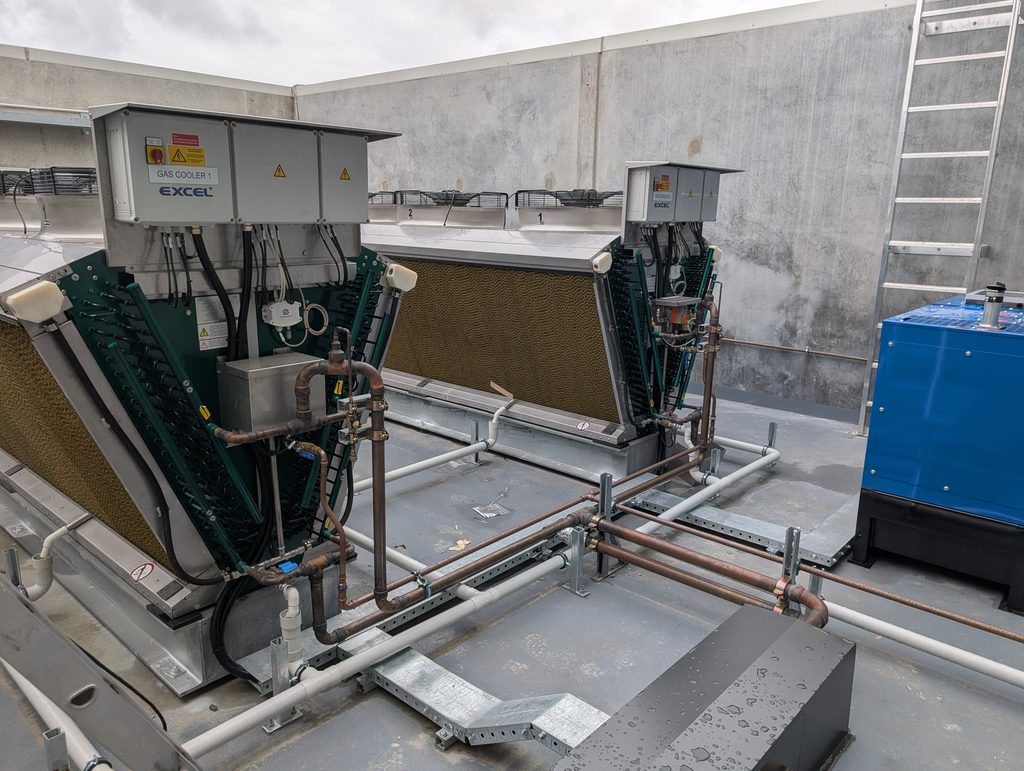
- Gas cooler fan supplies sized for summer ambients that can pass 40°C in parts of WA
- Evaporator fan circuits for each cool room, plus defrost circuits where electric defrost is fitted
- Control supplies for the rack controller, room controllers and the high-pressure valve
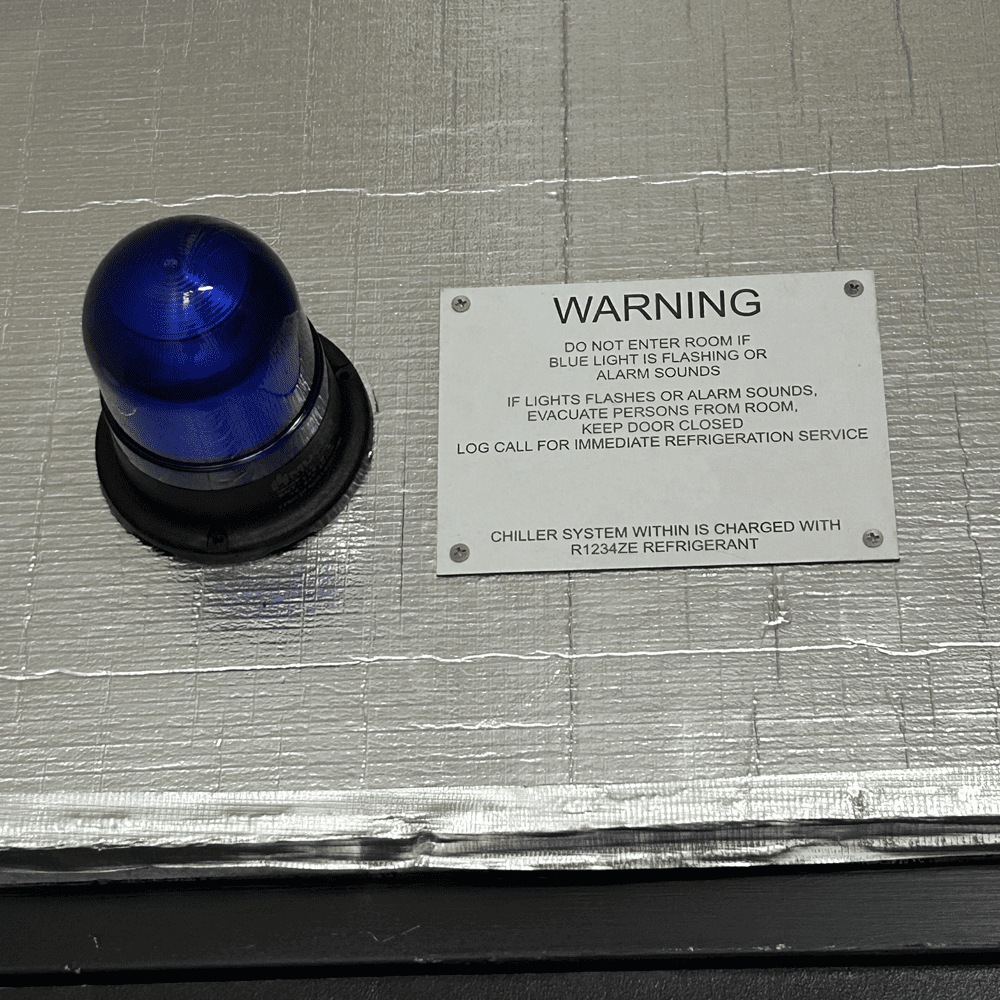
- Power to the gas detection panel, sirens and beacons
- On many plants, a dedicated circuit for a standstill holding unit
“Transcritical” describes CO2 (R744) operating above its critical point of roughly 31°C and 73.8 bar on the high side. Above that point, the gas won’t condense in the usual way. A gas cooler does the job a condenser would do on an HFC plant.
High-side pressures commonly run between 90 and 120 bar in warm weather. That’s several times the pressure of a typical HFC plant, and it changes how the electrical side gets handled.
Why the Plant Can’t Just Be Switched Off
A CO2 plant can’t be switched off casually because receiver pressure keeps rising once the compressors stop and the system warms. Every changeover plan has to settle these points before isolation:
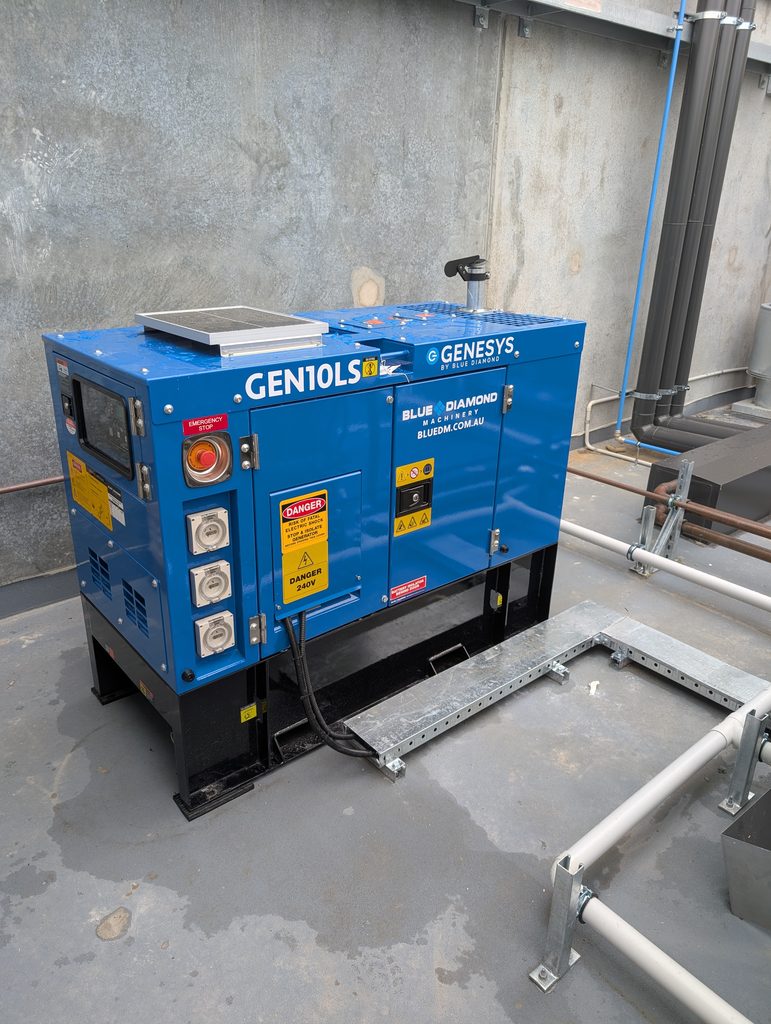
- The supply for the standstill unit while the old board is out (a temporary board, generator or UPS)
- The plan for keeping receiver pressure below the relief setting for the full outage
- The refrigeration tech responsible for watching pressures through the outage
- Relief valve set points, and the realistic time to reach them in current weather
Left unmanaged on a hot day, standstill pressure can reach the relief valve setting before a long outage is over. Once the valve lifts, refrigerant charge is lost and recommissioning gets messy.
Many transcritical plants hold receiver pressure with a small standstill condensing unit. Others rely on receivers rated for full standstill pressure.
Where a holding unit exists, the common line in the trade is that its circuit is the one a changeover must never interrupt.
How Temperature Drift Damages Flower and Foliage Stock
Temperature drift damages flower and foliage stock by speeding up respiration in warm rooms and causing chilling injury in over-cooled ones. Both effects cut into saleable life, and exporters feel it most:
- Consignments packed to a booked phytosanitary inspection can’t easily be held back a day
- Many buyers ask for temperature records, and a spike or gap can prompt hard questions
- Botrytis risk climbs when warmed stems are cooled again and condensation forms on petals
- Ethylene-sensitive lines, carnations and some orchids among them, age noticeably faster once warm
Temperate cut flowers are generally held between 1°C and 4°C at 90 to 95 per cent relative humidity. Respiration in many cut stems roughly doubles or triples with every 10°C rise. A few warm hours can cost days of vase life.
Tropical lines complicate the picture. Anthuriums and many tropical foliage plants are chilling-sensitive and are usually held at around 13°C or warmer. Chilling injury in anthuriums commonly starts below about 12°C.
A botched changeover can therefore hurt stock in two directions. Warm rooms age temperate stems, while a control fault that over-cools a tropical room causes chilling injury. That damage often appears days later, after the stock has left the site.
Frequently Asked Questions
Why Can’t a CO2 Plant Simply Be Shut Down for a Switchboard Swap?
A CO2 plant can’t simply be shut down because receiver pressure rises as the stopped system warms towards ambient. Without a standstill unit or a pressure-rated receiver, relief valves can lift and vent charge. Recovering from a vent adds recommissioning time while the cool rooms warm.
What Happens to Flower Stock If a Changeover Runs Over Time?
Flower stock loses vase life when a changeover overruns and room temperatures climb. Temperate stems age faster with every degree of warming. Tropical foliage faces the opposite risk if a control fault over-cools its room.
Why Is CO2 Detection So Important in Flower Cool Rooms?
CO2 detection matters in flower cool rooms because staff have no way of sensing a leak themselves. Rooms are enclosed and often run with limited air exchange to protect humidity. That combination lets gas collect near the floor unnoticed.
Key Takeaways
A CO2 refrigeration switchboard replacement is delicate because the plant and the stock both depend on that board throughout the outage. The main risk points are consistent from site to site:
- The standstill holding circuit and gas detection need power through every minute of the changeover
- Drawings on older boards often miss undocumented field changes
- Peak trading periods and hot weather leave the least margin for error
- A shared cutover plan across all three trades reduces the chance of delays at start-up
A changeover done well leaves the plant running and the stock in condition, with not much to report afterwards.