Major cooling replacements need coordinated timing because each trade’s work depends on another trade finishing first. A commercial evaporative cooler replacement looks like a mechanical job on paper. On site, it plays out more like a relay involving electricians, plumbers and crane operators, plus a fabricator on some jobs.
When the handovers slip, a crane can sit idle while someone rings around for a sparky.
What Turns a Cooler Swap into a Multi-Trade Job
A cooler swap becomes a multi-trade job once it involves power, water, structure or working at height. Many commercial units involve several of these at once. Licensing varies between contractors, so the exact trade mix depends on who holds which licences.
The usual spread of trades looks like this:
- Electrical isolation and disconnection, generally done by a licensed electrician working to AS/NZS 3000
- Water supply and drain disconnection by a licensed plumber, including any backflow prevention obligations under AS/NZS 3500
- EWP access and a crane lift with a licensed operator, and most sites expect a documented lift plan
- New support steel or a custom frame when the unit’s being relocated or the replacement has a different footprint
- Controls work where the cooler ties into a BMS or a fire-mode shutdown
Field experience shows the last two items catch people out most. A relocated unit or new discharge direction can mean a new frame and ductwork the original program missed. Controls tie-ins slip through for a similar reason, with a BMS or fire-mode connection sometimes needing a separate controls technician.
Why the Order of Work Sets the Pace
The order of work sets the pace of the whole job. A lift can’t safely start until the licensed trades have finished their disconnections and the unit’s been decommissioned.
A typical sequence on a high-mounted unit runs like this:
- Electrical isolation, lockout and disconnection
- Water supply turned off at the isolating valve
- Mechanical decommissioning, with the sump and pads drained down
- Plumbing disconnection, with supply and drain lines capped
- EWP access and rigging, then the crane takes the weight once the unit’s freed from its mountings
- New frame installed, new unit set, ductwork connected
- Plumber and electrician return for reconnection
- Commissioning with the relevant trades on hand
Draining matters more than it sounds. Water in the sump and saturated pads adds weight on top of the brochure figure. A lift plan built on dry weight can be off by a fair margin if that step gets skipped.
A Real-World Example of Tight Handovers
Coordinated timing works when each trade starts on a confirmed finish from the trade before it. A laboratory cooler replacement in Perth’s northern suburbs shows how that plays out.
The handovers on that job ran in a tight order:
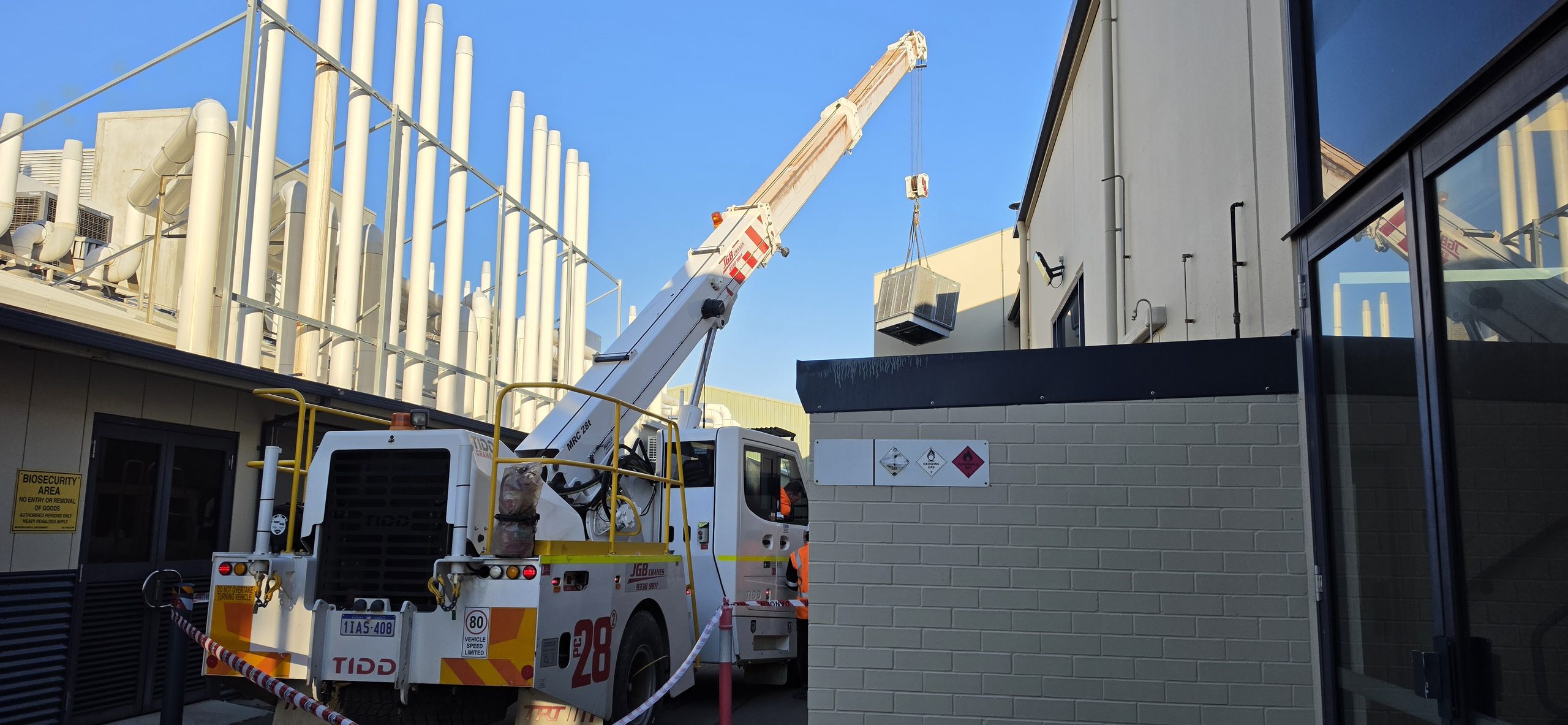
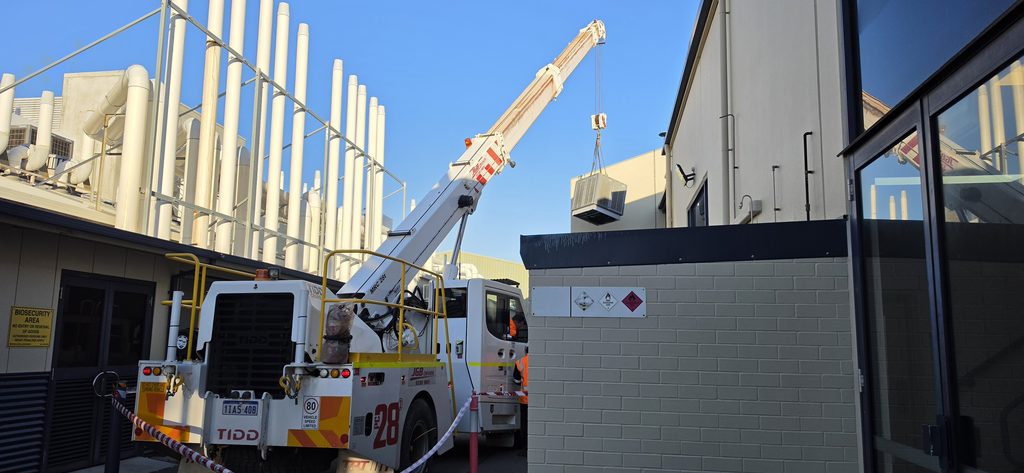
- The old unit had become unserviceable and was mounted high on a wall, so access needed an EWP and a crane
- The mechanical contractor decommissioned the unit, timing it with the trades handling electrical and plumbing disconnection
- The lift couldn’t start until those disconnections were finished
- The crane took the weight once the old unit was freed from its mountings
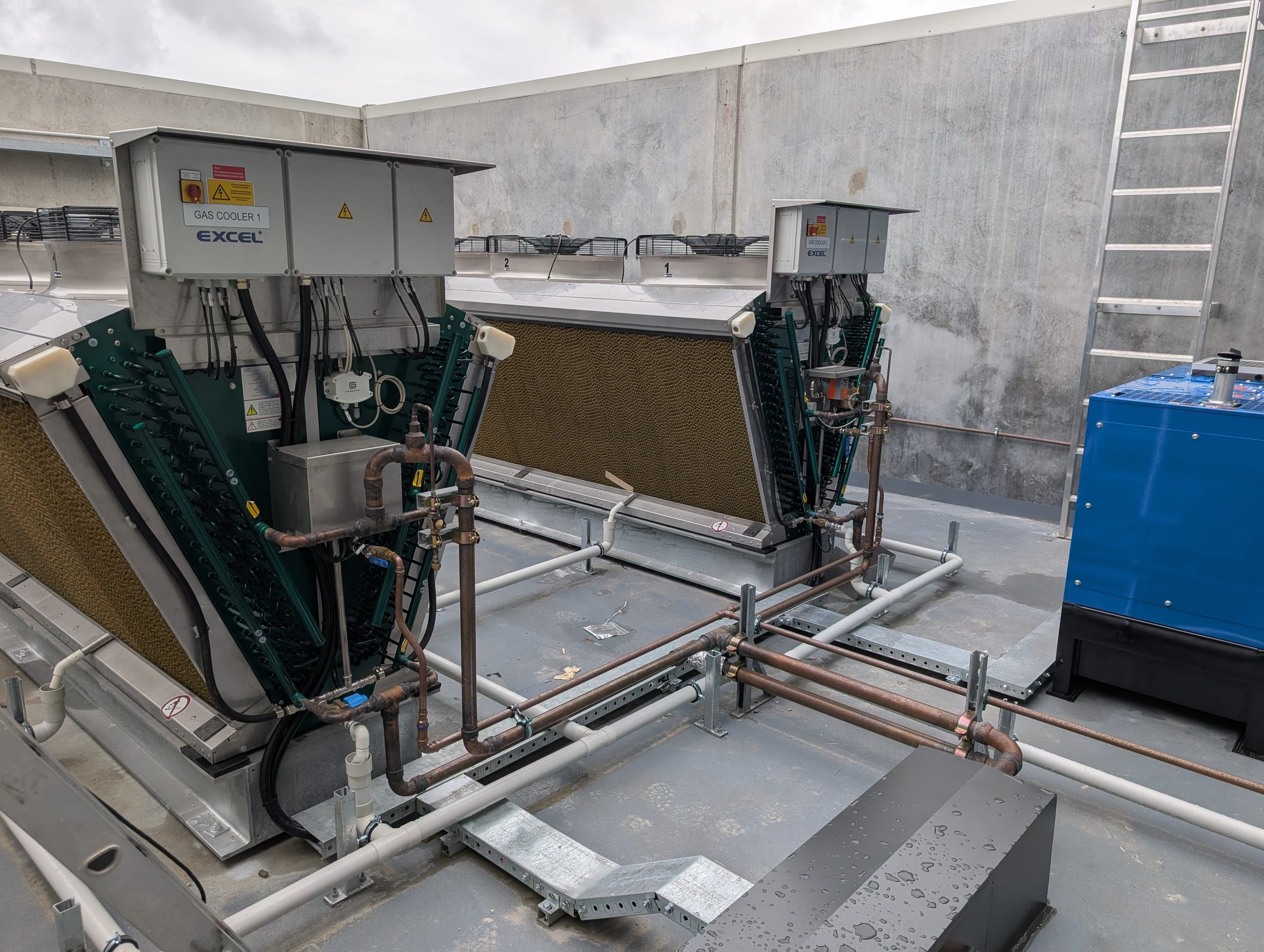
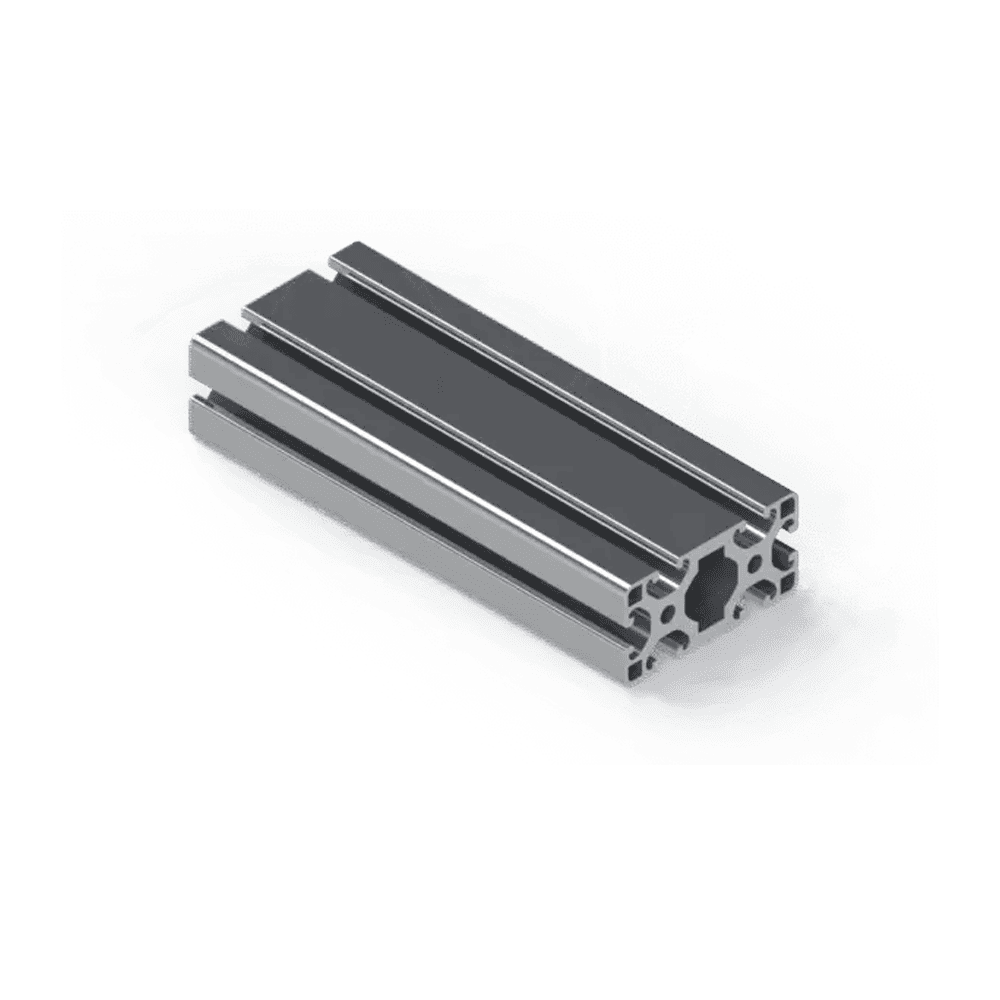
- A new top-discharge unit was relocated below the existing duct run, on a custom uni-strut frame
- New sheet metal ductwork connected the unit to the existing system, followed by commissioning support
The lab kept operating throughout. Crane setup and site access were planned around normal activity, which added another set of constraints to the timing.
The relocation is what brought the frame into the job. The new unit needed its own support in a new position, so the frame had to be ready before the unit could go in. Measuring and planning that frame ahead of removal day is what keeps the lift moving.
Where Poor Timing Burns Money
Poor timing costs money mainly through idle labour and equipment hire, and those costs add up faster than most budgets allow.
The usual culprits include:
- Mobile crane hire, which usually carries a minimum booking whether the lift happens or not
- Traffic or pedestrian management when the lift zone crosses a car park, footpath or loading area
- Road occupancy permits, which some councils need well in advance
- Return call-out fees when an electrician or plumber gets sent away and has to come back
- Extended downtime for the cooled space, which carries heat stress risks under WHS duties in summer
Most operators reckon the second call-out is where budgets quietly bleed. One missed slot can push a half-day job into a second day, with the crane rebooked and the space uncooled overnight.
Frequently Asked Questions
Who Disconnects the Power on a Commercial Evaporative Cooler?
In most cases, a licensed electrician handles isolation and disconnection. Some mechanical contractors hold electrical licences in-house, and restricted licence scope varies by state. Confirming who’s covering it before the lift date avoids a stalled job.
How Long Does a Commercial Evaporative Cooler Replacement Take?
A like-for-like swap with good access can often be done in a day. Relocations, new frames or new ductwork can stretch it to several days. Trade availability tends to drive most of the variation.
When Is the Best Time of Year to Replace a Commercial Cooler?
In the southern states, spring and autumn are generally the easiest windows. Trades are less stretched and the site can cope with a short period without cooling. Summer replacements tend to suffer from booking delays and heat stress concerns.
Key Takeaways
Trade timing decides whether a commercial evaporative cooler replacement runs to budget. The handovers between trades are where most of the risk sits.
- Licensed disconnection work has to be finished before any lift starts
- A drained unit keeps the lift weight close to the planned figure
- Relocations usually add frame and duct fabrication, which needs its own lead time
- Crane minimums and repeat call-outs drive most cost overruns
- Live sites need lift timing planned around shifts, deliveries and exclusion zones
- One party owning the program, with every trade confirming dates, keeps the handovers tight