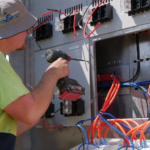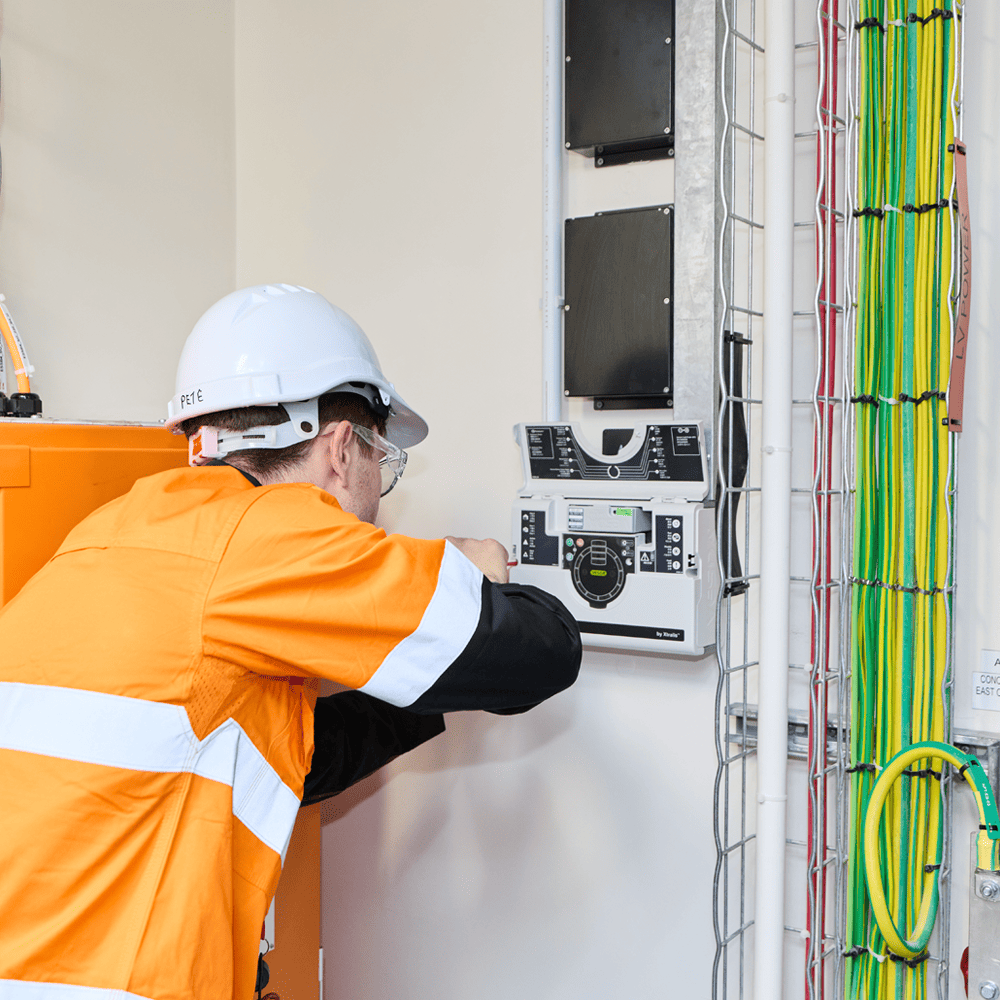
Electrical and controls installation is one of those jobs that can look simple from the outside, until something trips, overheats, drops out mid-process, or refuses to talk to the rest of the system. When it goes wrong, the fallout is rarely limited to a blown fuse.
It can mean damaged equipment, lost production, safety incidents, voided warranties, and an uncomfortable conversation with insurers or regulators. Getting electrical and controls installation done by professionals is not about being fancy, it is about reducing risk and protecting the asset you are paying for.
Why “It Works” Is Not the Same as “It’s Done Properly”
A system can power up and still be set up in a way that causes problems for months. A loose termination might not fail on day one. Incorrect cable types might “work” but introduce noise, dropouts, or premature wear. A panel might run fine in mild conditions, then start derating or tripping once summer hits and heat builds up.
Professionals are paid to think beyond first power-on. They aim for an installation that stays stable under load, stays safe under fault, and stays serviceable when something eventually needs attention.
Common examples of “works today, hurts later” include:
- Undersized cables that run hot under real operating current
- Poor segregation between power and signal wiring that creates interference
- Incorrect earthing that increases fault risk or causes nuisance trips
- Messy panel layouts that trap heat and shorten component life
- Inconsistent labelling that slows fault finding and increases downtime
That is why electrical and controls installation should be judged on durability and maintainability, not just whether the machine starts.
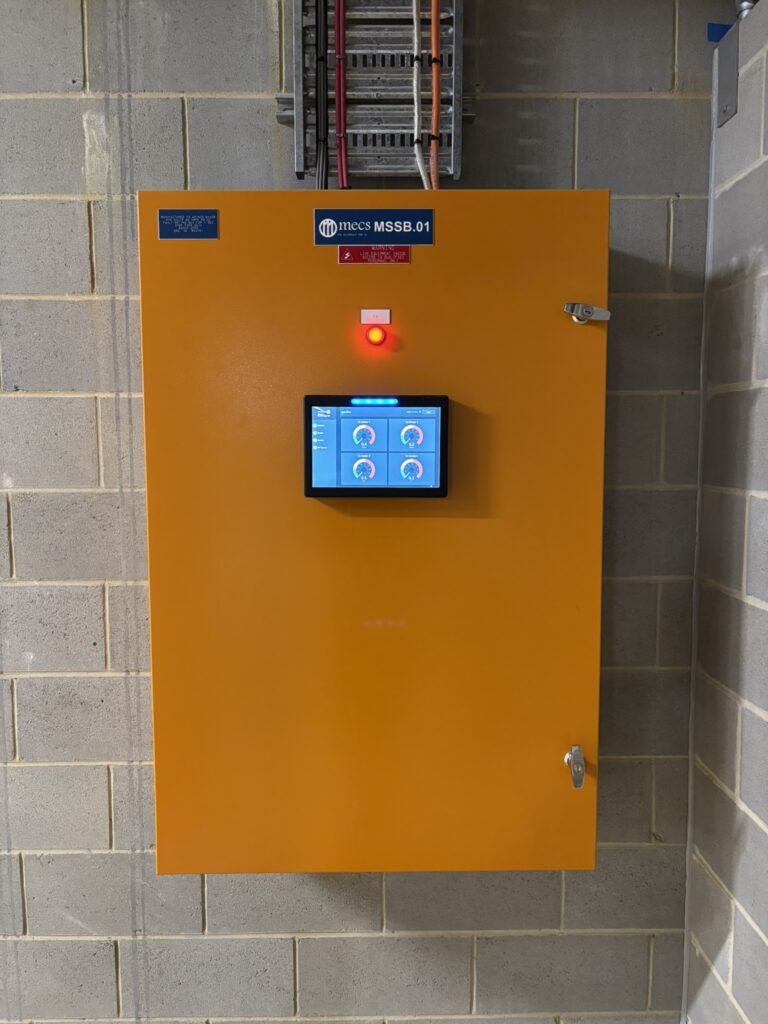
Safety, Compliance, and Liability Are Not Optional Extras
Electrical work carries safety obligations that do not disappear because a job is “small” or “urgent”. In Australia, electrical work is regulated, licensing matters, and there are expectations around testing, documentation, and sign-off. If an incident happens, people will look at who did the work, how it was verified, and whether it met the required standards and site rules.
A professional approach typically includes:
- Safe isolation and lockout procedures
- Correct selection of protective devices and fault protection
- Verified earthing and bonding arrangements
- Required electrical testing and recorded results
- Proper enclosures, ingress protection, and mechanical protection
- Fit-for-purpose cable support and containment
You are not just paying for labour. You are paying for competent risk control, and for someone to carry responsibility for the work they perform.
Controls Integration Is Systems Engineering, Not Just Wiring
Controls are where “simple install” myths go to die. Even when the hardware is installed neatly, integration can fail if the team does not understand how the process is meant to operate.
Controls integration involves questions like:
- What should happen if a sensor fails or reads out of range?
- How do interlocks protect operators and equipment?
- What is the safe state after a power loss?
- How do alarms behave, and who needs to see them?
- Are there manual overrides, and how are they controlled?
- How is data shared between machines, drives, and SCADA?
Professionals treat controls as an engineered system. They verify signal types, scaling, noise immunity, addressing, and fail-safe behaviour. They also coordinate the electrical build so it matches the control philosophy, rather than forcing last-minute workarounds in software.
Quality Starts Before Anyone Picks Up a Tool
Good installs rarely start on site. They start with planning and checks that stop expensive mistakes.
A professional team will usually confirm details such as:
- Load data (motor sizes, starting methods, duty cycles, inrush considerations)
- Cable routes and containment (lengths, bend radii, segregation, environmental exposure)
- Panel locations (access, heat, vibration, washdown, dust, corrosion)
- I/O lists and instrumentation schedules (signal types, ranges, power requirements)
- Network requirements (switch locations, fibre runs, IP plans, managed vs unmanaged)
- Shutdown windows and staging (what can be done live, what needs isolation)
This is where budget gets protected. It is cheaper to fix a mismatch on paper than to re-run cabling, rework a panel, or lose a day troubleshooting noise on an analogue signal.
Red Flags That Often Lead to Problems
Most projects have some pressure, but certain behaviours reliably predict trouble later. If you spot these early, you can save a lot of frustration.
Watch out for:
- No interest in drawings, I/O lists, or control descriptions
- Vague promises about “sorting it out during commissioning”
- Minimal discussion of testing, verification, or documented results
- Poor housekeeping and inconsistent labelling from the start
- Overconfidence about working live without a solid isolation plan
- A push to skip documentation because “it’s obvious”
Professional work is rarely rushed, even when timelines are tight. It is structured, checked, and signed off properly.
Key Takeaways
Electrical and controls installation is not the place to gamble on shortcuts, because the consequences reach beyond the install itself. Professional teams bring licensing, safety discipline, engineering thinking, and commissioning methods that reduce risk and protect uptime.