Strata risk management is mostly about avoiding surprises. Electrical systems are a big part of that because they sit behind walls, above ceilings, and inside locked cupboards, yet they power the shared services everyone depends on. When electrical issues show up, they can turn into safety incidents, resident complaints, downtime for building services, or urgent spend that was not planned for.
Strata electrical and safety audits help prevent that cycle by turning hidden conditions into visible priorities and practical actions. They support better decisions, better budgeting, and better follow-through, which is the real backbone of good strata electrical safety.
Risk Management in Strata: What It Really Means Day to Day
Risk management in strata is not just a policy document. It is the set of habits that reduce the chance of harm, reduce disruptions, and reduce expensive reactive work. Electrical risk sits across safety, operations, compliance, and reputation, because shared electrical faults can affect many people at once.
Common risk outcomes audits aim to reduce include:
- Electric shock hazards in shared areas
- Fire risk from overheating, damaged insulation, or water ingress
- Outages affecting lifts, security access, ventilation, or common lighting
- Contractor safety incidents during maintenance or repairs
- Disputes caused by unclear responsibility or poor documentation
How Audits Turn Hidden Conditions into a Clear Risk Picture
A good audit converts observations into a risk picture that is easy to act on. That means describing what was found, where it is, why it matters, and what should happen next. It is not enough to list defects. The report needs priorities, timeframes, and an explanation that supports decision-making.
In risk terms, audits help answer three practical questions:
- What could hurt someone or cause a serious incident?
- What is most likely to fail and disrupt services?
- What work should be planned now to avoid bigger spend later?
Defect Prioritisation: The Core Link to Risk Control
Risk management relies on prioritisation. If everything is “urgent”, nothing gets done efficiently. If nothing is urgent, real hazards can linger. Audits support risk control by grouping defects into sensible tiers, usually based on severity and likelihood, then assigning recommended timeframes.
A practical prioritisation model usually separates:
- Immediate make-safe issues (high risk, act now)
- Short-term repairs (risk trending upward, schedule soon)
- Medium-term upgrades (reduce repeated failures and improve safety)
- Long-term planning items (major replacements, staged modernisation)
This structure supports strata electrical safety because it makes the next step obvious. It also helps build momentum, as committees can approve a first stage of works quickly while planning for the larger items over time.
Budgeting and Forecasting: Reducing Financial Shock
Unexpected electrical spend is one of the main pain points in strata. Emergency call-outs cost more, occur at inconvenient times, and often require quick approvals. Audits reduce this financial risk by creating a forward plan and supporting smarter packaging of works.
Practical budget benefits from audits include:
- Early visibility of upcoming replacements (boards, cabling, ageing devices)
- Clear scopes that reduce quote uncertainty
- Better ability to compare quotes across contractors
- Fewer after-hours call-outs driven by repeat failures
- Improved planning around other building works (access scaffolds, waterproofing, refurbishments)
All of this reinforces strata electrical safety because it keeps essential safety work funded and scheduled, rather than postponed due to surprise costs.
Documentation and Traceability: Evidence That Supports Decisions
Strata buildings often suffer from fragmented records. Labels do not match circuits, isolation points are unclear, and past upgrades are not reflected in any as-built documentation. This is more than an admin issue, it is a safety issue, because unclear isolation increases the chance of mistakes during repairs and maintenance.
Common documentation outcomes include:
- Updated circuit schedules that match real-world feeds
- Clear labelling of main isolators and sub-board supplies
- Identification of critical circuits (lifts, fire interfaces, ventilation, security)
- Notes on missing records and recommendations for rebuilding them
- A defect register that can be tracked across meetings and years
When records improve, strata electrical safety improves too, because work becomes faster, safer, and less disruptive.
Contractor Safety and Maintenance Control
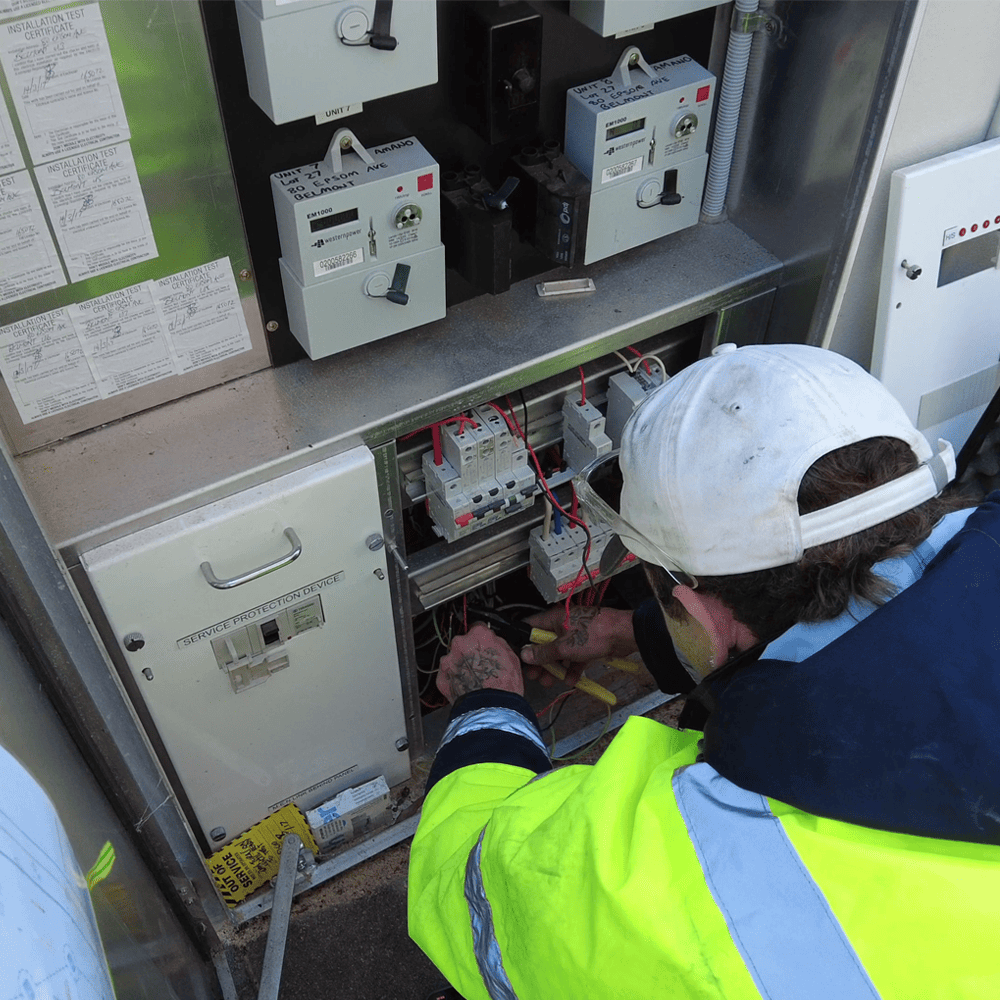
Risk management includes the safety of anyone working on site. If electrical rooms are blocked, boards are unlabelled, and isolation is unclear, contractors face higher risk and jobs take longer. That can also increase cost and increase disruption for residents.
Maintenance control improves when audits identify:
- Storage in electrical rooms or meter cupboards
- Poor working clearances around boards
- Missing covers, damaged enclosures, or open penetrations
- Evidence of overheating or moisture exposure
- Inconsistent or unsafe temporary fixes
This is a direct link to strata electrical safety because safer working conditions reduce the chance of incidents, and the building benefits from higher quality maintenance outcomes.
Reducing Service Disruptions and Resident Complaints
Electrical faults often show up as disruptions, not technical defects. Residents notice flickering lights, car park blackouts, gate failures, or access control issues long before they understand the cause. Audits support risk management by identifying the upstream issues that lead to these disruptions.
Audits often reduce disruption by enabling:
- Replacement of recurring failure points in harsh environments (car parks, external lighting)
- Improved protection and fault isolation to limit the size of outages
- Clearer identification of critical circuits to prevent accidental shutdowns
- Better scheduling of works to avoid peak usage times
- Preventive maintenance in plant rooms to avoid sudden failures
This supports strata electrical safety in a practical way, because safer systems tend to be more reliable systems.
Key Takeaways
Strata electrical and safety audits support risk management by making hidden electrical conditions visible, ranking what matters most, and creating a workable plan for repairs and upgrades. They help reduce safety incidents, reduce service disruptions, and reduce surprise costs by shifting the building from reactive fixes to planned action.