
Ventilation systems in commercial buildings tend to get attention when something goes wrong. A space gets too warm, air quality drops, a fan trips out. The problem is that without proper indication, those issues often aren’t caught until they’ve already affected the people inside. Fan control and indication panels are the part of a controls installation that makes ventilation visible.
They give facilities staff a direct read on what the system’s doing. Nobody has to dig into a BMS or call a controls technician every time something seems off. The mechanical electrical and controls wiring that connects these panels to the broader ventilation system is what makes them functional rather than decorative.
What Fan Control and Indication Panels Actually Do
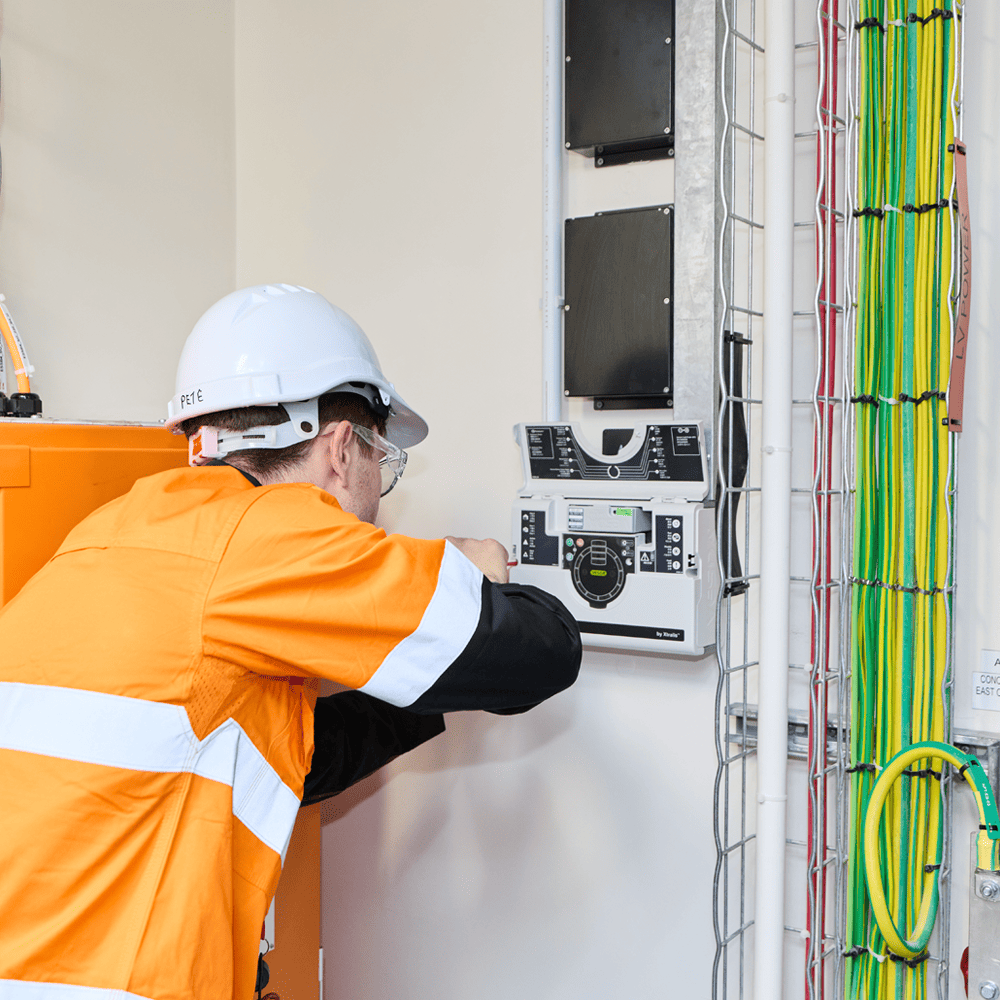
Fan control and indication panels are dedicated interface units. They allow on-site operators to monitor fan status, control fan operation, and receive alerts when readings fall outside normal parameters. In practice, they sit between the ventilation plant and the people responsible for the building, giving both sides something legible to work with.
What a well-specified panel typically provides:
- Run/stop/fault indication for individual fans or fan groups
- Local on/off/auto switching for maintenance and override scenarios
- Filter differential pressure indication, showing when filters are due for replacement
- Alarm indication for motor overloads, duct pressure faults, or communication failures
- Status mirroring for DDC or BMS integration, so field-level indication matches what’s showing in the controls platform
Why Indication Matters More Than Most Buildings Acknowledge
Fan status indication gives operators a way to identify ventilation faults before they escalate into comfort or air quality issues. A lot of buildings are still running systems where the only way to know a fan’s tripped is to notice the space getting warm.
Buildings with high occupancy or variable use profiles cop the most impact from undetected ventilation faults:
- Gyms, function rooms, and training centres where CO2 and temperature build quickly with occupancy
- Medical and allied health facilities where air quality standards carry compliance weight
- Community buildings with limited on-site technical staff who need simple, readable interfaces
- Multi-tenanted commercial spaces where one failed fan can affect several independently managed areas
Most facilities managers reckon their HVAC system is working fine right up until it clearly isn’t. Proper indication changes that dynamic. A panel showing a fault the moment a motor trips lets staff respond immediately. It also creates a record of when faults occurred, which is useful for maintenance planning and warranty conversations.
What Goes Wrong When Panels Are Treated as an Afterthought
Fan control panels that are poorly specified or poorly installed create more problems than they solve. The common failure isn’t dramatic. It’s a panel that shows a fan running when it’s actually faulted, or an alarm indicator that’s been ignored so long nobody’s sure if it’s real. That kind of unreliable indication erodes trust in the system and leads operators to stop using it.
Common installation problems the trade sees regularly:
- Signal wiring run parallel to power cables without adequate separation, introducing electrical noise
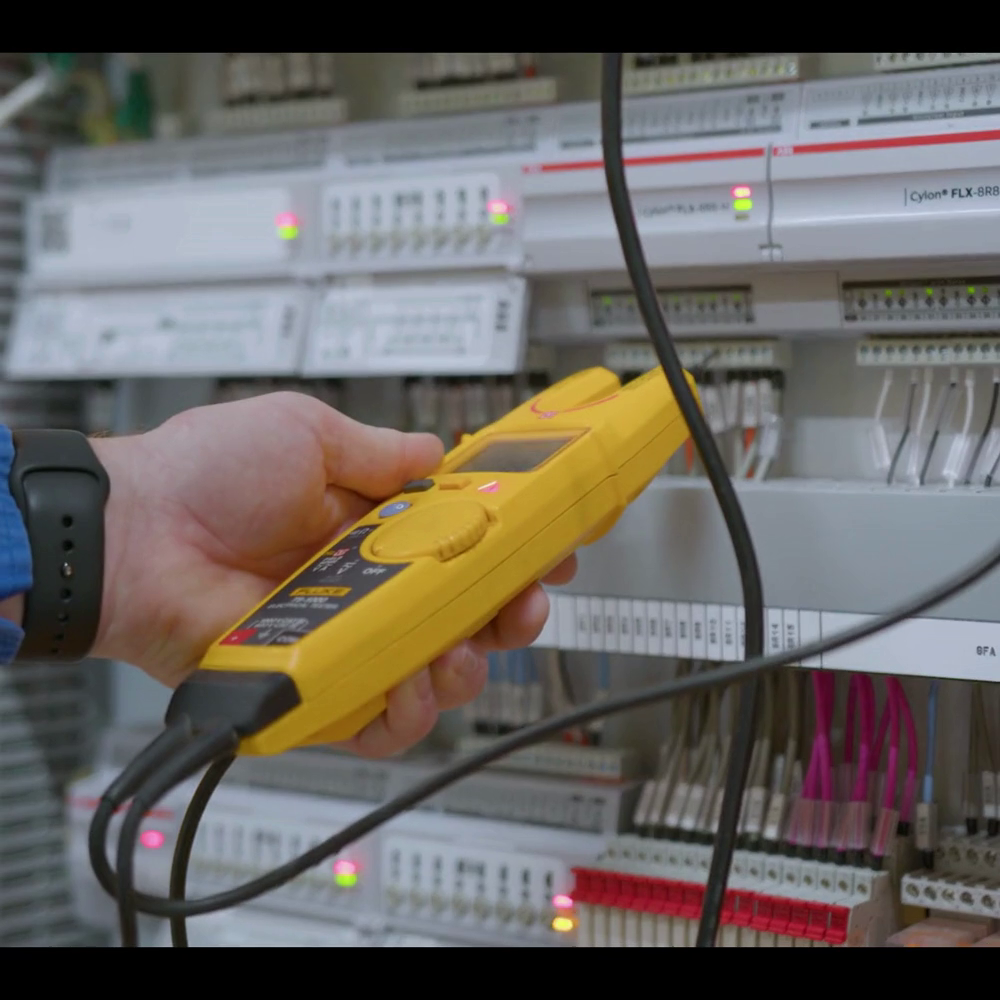
- Incorrect termination of fault contacts, causing panels to show permanent fault or no fault regardless of actual status
- Missing earth connections on shielded cable runs, defeating the purpose of the shielding
- Panel labelling that doesn’t match the wiring schedule, creating confusion during commissioning and fault finding
Specification issues tend to show up before installation even starts. A panel that’s undersized for the number of fans it needs to monitor creates rework. One without the right output types for the DDC system it’s feeding into does the same. Getting the specification right at the front end saves a lot of time on site.
Frequently Asked Questions
What’s the Difference Between a Fan Control Panel and a Motor Control Centre?
A motor control centre (MCC) is the main power distribution and protection assembly for motors across a facility. A fan control and indication panel is a field-level interface that provides status indication and local switching, typically wired downstream of the MCC. They serve different functions and are usually installed in different locations.
Do Fan Control Panels Need to Be Installed by a Licensed Electrician?
In Australia, any work involving the wiring of electrical control panels is classified as electrical work under state and territory electrical licensing legislation. A licensed electrician with the appropriate endorsement is required for installation. Some jurisdictions also require inspection and certification of the completed installation before energisation.
How Often Should Fan Control and Indication Panels Be Tested?
Functional testing of panel indicators and control circuits is typically recommended as part of annual preventive maintenance. Fault contacts and alarm outputs should be tested by simulating fault conditions rather than relying on visual inspection alone. Filter pressure indicators should be checked against actual differential pressure readings to confirm calibration.
Final Thoughts
Fan control and indication panels don’t get much attention in project specifications, but they’re what connects a ventilation system to the people responsible for running it. A well-specified, properly wired panel gives operators accurate, real-time information. That information is what allows faults to be caught early and maintenance to be planned properly.
Buildings that treat indication as a box-ticking exercise tend to end up with panels that nobody trusts. Getting the specification right and making sure the labelling matches the documentation might not be the most glamorous part of a controls installation. But it’s what determines whether the panel actually does its job.