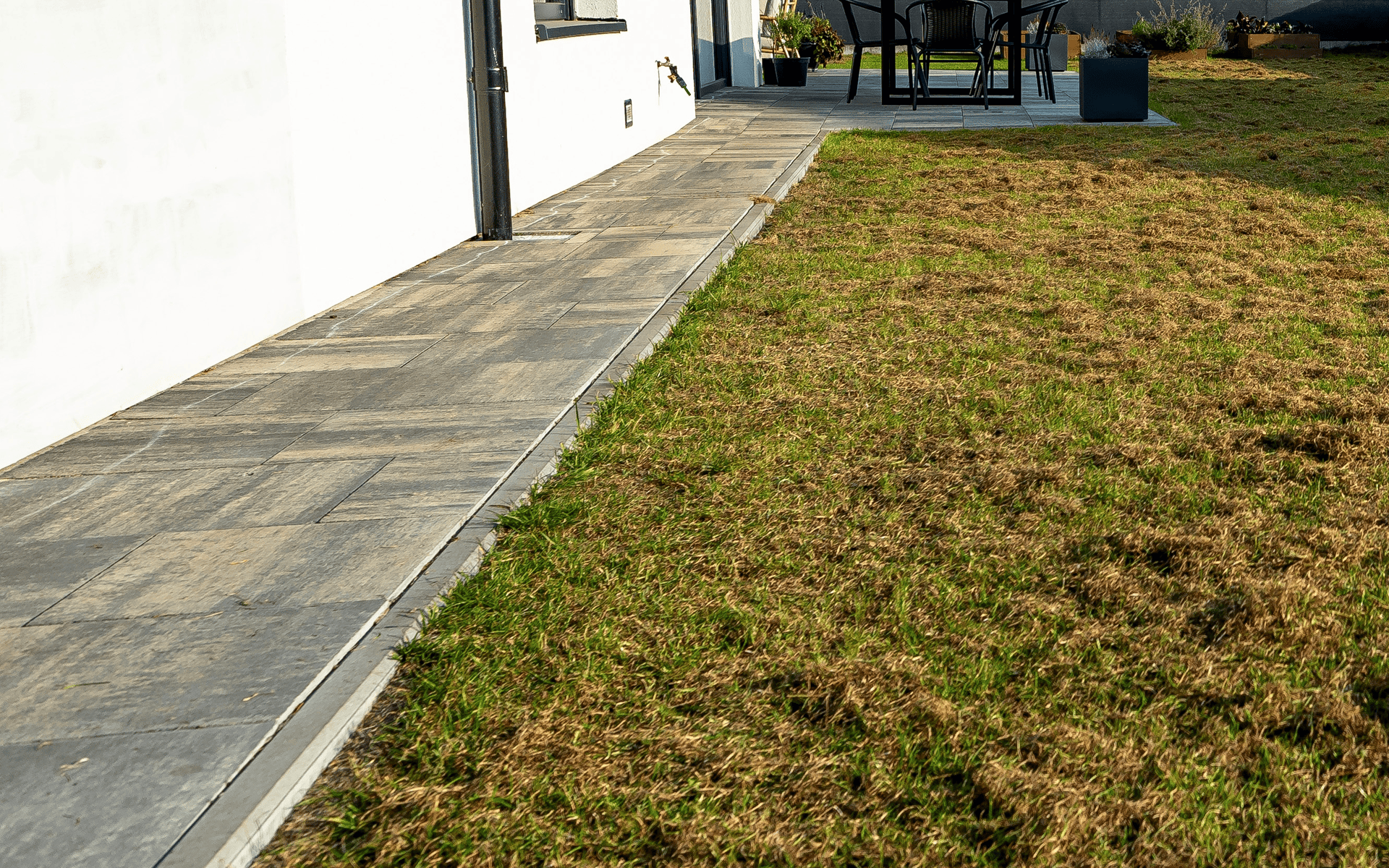
The shift from summer into autumn is when a lot of lawns start to look tired, even if they were holding up well a few weeks earlier. Heat stress, patchy watering, traffic, and dry soil conditions often leave the turf weaker than it appears. That is why autumn feeding should not be treated as a quick colour fix.
A better approach is to feed for root recovery first, then let top growth follow. In practical Australian lawn care, this is one of the most useful mindset shifts you can make during seasonal change.
Why Autumn Feeding Is Not the Same as Summer Feeding
A lawn in early autumn is in a different state from a lawn in mid-summer, even if the weather still feels warm during the day. Growth often slows, nights cool down, and the turf starts responding differently to mowing, watering, and fertiliser.
This is where many lawn routines go off track. Summer feeding is often aimed at maintaining colour and growth through active conditions. Autumn feeding, on the other hand, works best when it supports recovery and resilience. If you push too hard for fast top growth, you can create extra mowing pressure, soft leaf growth, and more stress on turf that is still recovering from heat.
The goal changes from “make it look green quickly” to “help it recover well and stay stronger into cooler weather”.
What Root Recovery Actually Means in Autumn

Root recovery is not just a buzz phrase. It refers to helping the lawn rebuild and maintain a healthier root system after summer stress, so it can use water and nutrients more effectively.
A lawn with better root recovery usually handles seasonal ups and downs more reliably. It tends to bounce back better after mowing, cope better with dry spells, and hold density more evenly across the yard. A lawn with weak roots may still green up after feeding, but the improvement often fades quickly because the underlying system is still under pressure.
That is why root-focused feeding matters. You are not only feeding the visible leaf, you are supporting the part of the lawn that determines how well it performs over the next several months.
Why Summer Stress Makes Autumn Feeding More Important
Many lawns enter autumn with hidden issues left over from summer. The surface may still look acceptable, but the soil and turf profile can be carrying stress.
If those problems are not addressed, fertiliser alone will not deliver a stable result. You may get a short-term lift in colour, but patchiness and thinning can return fast.
Common post-summer issues include:
- Shallow roots from frequent light watering
- Dry patch or water-repellent zones (especially in sandy soils)
- Compaction in high-traffic areas
- Thatch build-up reducing water penetration
- Uneven irrigation coverage
- Thin spots that invite weeds
Feeding can help, but only when the lawn can actually access and use the nutrients. That is why autumn lawncare works better when feeding is part of a broader recovery plan, not the only step.
Why Warm Soil and Milder Days Create a Good Feeding Window
One reason autumn is useful for recovery is that soil can stay warm enough for turf activity even as daytime conditions become less punishing. That combination can support recovery if you time the feed well.
The lawn is not under the same level of heat pressure as peak summer, but it may still be active enough to respond to nutrients and improved moisture conditions. This is often a better setup for recovery than trying to force growth in extreme heat.
The key word is timing. Feeding too early while the lawn is still heavily stressed and dry can backfire. Feeding too late, once growth has slowed right down, can reduce the benefit. The sweet spot is usually when the lawn is still active, but conditions are easing.
Why a Quick Green-Up Can Be the Wrong Goal
A lot of people judge autumn fertiliser by how fast the lawn greens up. That is understandable, but it can lead to poor decisions.
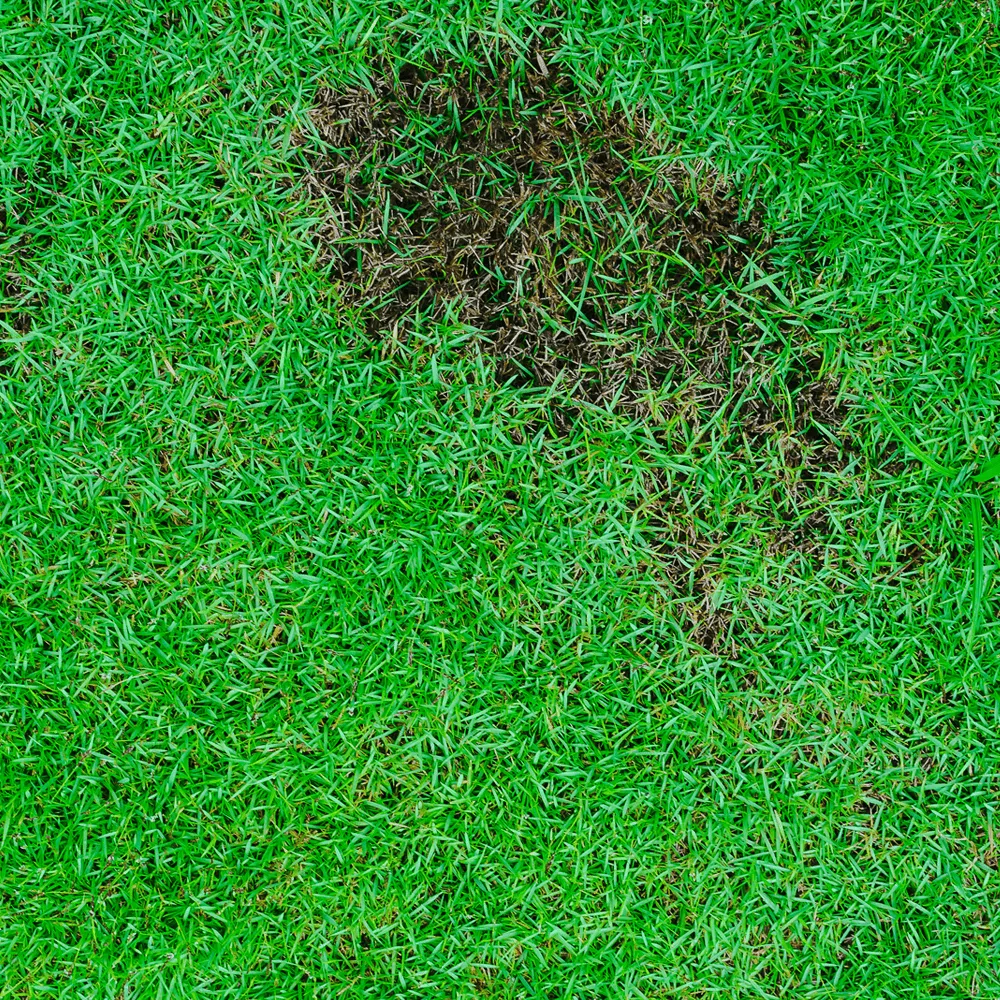
A fast colour response does not always mean the lawn is recovering properly. In some cases, it just means you have pushed top growth without improving the soil conditions or root function underneath. If watering is inconsistent or the soil is compacted, the lawn can look good briefly, then fall away again.
That is why autumn feeding should be assessed by more than colour alone. A stronger result is usually slower and more stable.
Look for signs like:
- More even growth across the lawn
- Better bounce-back after mowing
- Less patchiness in previously stressed areas
- Improved moisture retention between watering cycles
- Reduced thinning around traffic zones
These signs usually tell you more about recovery than a quick burst of green.
Final Thoughts
Autumn lawncare works best when feeding is aimed at recovery, not just appearance. After summer, many lawns need support below the surface before they need a big visual lift on top. Feeding for root recovery gives the turf a better base to handle changing weather, uneven moisture, and the slower growth pattern that comes with the season.