Perth winters quietly wreck outdoor projects, and it’s rarely the cold doing it. Moisture is the culprit. Wet ground, a salt-laden sea breeze, and weeks of slow drying chip away at a build. Anyone who’s pulled apart a backyard job after a soggy July knows the rot starts long before it shows.
That’s where aluminium flat sheet metal earns its keep. It shrugs off the conditions that quietly destroy timber and untreated steel. For homeowners eyeing a winter DIY job, the material choice matters more than the design.
Why Perth’s Winter Climate Punishes the Wrong Materials
Moisture and salt are what destroy materials over a Perth winter, so anything that absorbs water or rusts fails fast. The combination of wet ground, coastal air, and slow drying creates the exact conditions corrosion loves.
Timber swells, splits, and grows mould. Mild steel starts rusting within a single season if the coating gets nicked.
Most operators reckon the salt is the real killer. Perth sits right on the coast, and that sea breeze carries chloride well inland. Salt accelerates corrosion on metals that aren’t built to handle it.
Here’s what tends to go wrong with common materials over a Perth winter:
- Untreated pine and hardwood soak up moisture, then warp once the weather turns. Fixings loosen as the timber moves.
- Galvanised steel holds up for a while, but any scratch or cut edge becomes a rust point.
- MDF and particleboard simply don’t belong outdoors. They swell and crumble within weeks.
- Cheap powder-coated panels can blister if water gets under a damaged coating.
Aluminium sidesteps most of this. It forms a natural oxide layer that protects the metal underneath, even when scratched. That self-renewing layer is the whole reason it lasts.
What Makes Aluminium Flat Sheet Metal Hold Up
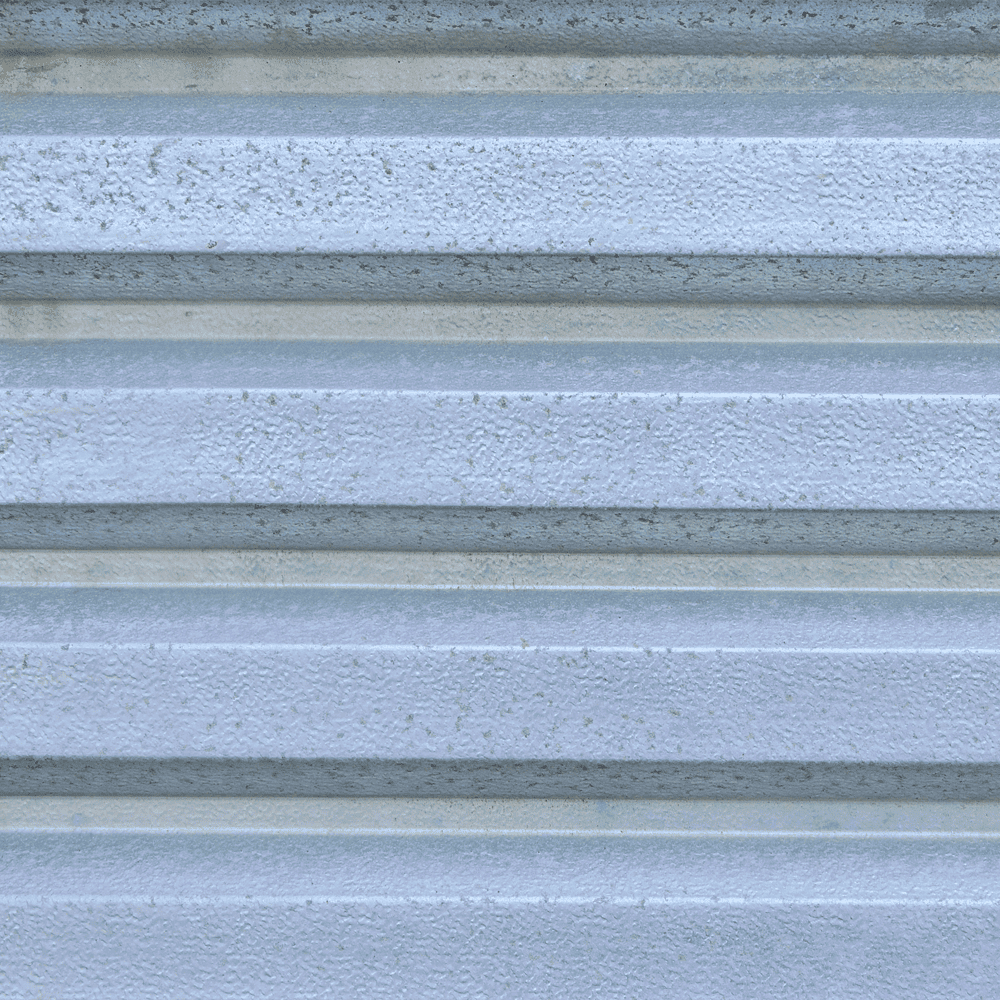
Aluminium flat sheet metal holds up because it doesn’t rust, stays stable in damp conditions, and resists the salt-laden coastal air. The oxide layer does the heavy lifting without any extra treatment.
Steel needs galvanising or paint to survive. Aluminium protects itself from day one.
Field experience shows the dimensional stability is underrated. Aluminium barely moves with temperature and humidity swings. Timber expands and contracts constantly, which is why screwed joints work loose over a wet season.
There’s also the weight angle. Aluminium runs at roughly a third the weight of steel for the same panel size. That’s a genuine advantage when one person’s lifting sheets onto a frame solo.
A few practical traits worth knowing:
- It won’t corrode through, so there’s no rust bleed staining brickwork or pavers below.
- It takes a powder coat or anodised finish well if a specific colour’s needed.
- Offcuts are fully recyclable, which keeps disposal costs down on bigger jobs.
- It stays workable in cold weather, unlike some plastics that turn brittle.
The common line in the trade is that aluminium costs more upfront but less over its life. For a winter project meant to last, that maths usually stacks up.
Working with Aluminium Flat Sheets at Home
Aluminium flat sheets are well within reach for a competent DIYer, since they cut, drill, and fold with standard tools and don’t demand specialist gear. The trick is matching technique to the metal so the finish stays clean.
A fine-tooth blade prevents the metal grabbing and tearing. Slow and steady beats forcing the cut.
Aluminium’s soft enough that timber tools handle it, though the edges come up sharp. Gloves aren’t optional once a sheet’s been cut. Plenty of DIYers cop a nasty slice learning that the hard way.
Folding’s where home jobs separate from professional ones. A proper sheet metal brake gives crisp bends, but a clamped straight edge and gentle hand pressure work for light gauges.
Handling tips that save grief:
- Deburr every cut edge with a file or fine sandpaper before fitting. It removes the razor edge and tidies the look.
- Use the right fixings. Stainless or aluminium rivets and screws prevent the dissimilar-metal corrosion that eats galvanised fasteners.
- Leave the protective film on until the sheet’s fixed in place. It saves the finish from scratches during handling.
- Drill, don’t punch, for clean holes without distorting the surface.
One thing worth flagging. Mixing aluminium with copper or untreated steel fixings sets up galvanic corrosion in wet conditions. The two metals react, and the aluminium corrodes around the join. Perth’s damp winters make this worse, so fastener choice isn’t a detail to skip.
Frequently Asked Questions
Does Aluminium Flat Sheet Need a Protective Coating in Perth?
Aluminium doesn’t need a coating to survive Perth’s winters, since its natural oxide layer protects against corrosion on its own. A powder coat or anodised finish is purely for colour and appearance. Bare mill-finish aluminium will last fine structurally, though it dulls over time.
Can Aluminium Sheets Be Used Near Saltwater or Pools?
Yes, aluminium handles coastal and poolside conditions well, especially the 5000-series marine grades built for salt exposure. Chlorine and salt air won’t corrode it the way they attack steel. A periodic rinse with fresh water keeps the surface looking clean.
What Thickness Is Best for DIY Wall Cladding?
For residential wall cladding, 1.6mm to 2mm aluminium flat sheet metal hits the sweet spot between rigidity and easy handling. It’s stiff enough to resist denting but light enough to fix solo. Thinner sheets tend to oil-can on wider spans.
Final Thoughts
Perth winters reward materials that handle moisture and salt. Looks and upfront price matter less than how something ages through a wet season. Aluminium flat sheet metal manages both, which is why it keeps turning up on jobs meant to outlast a few wet seasons.