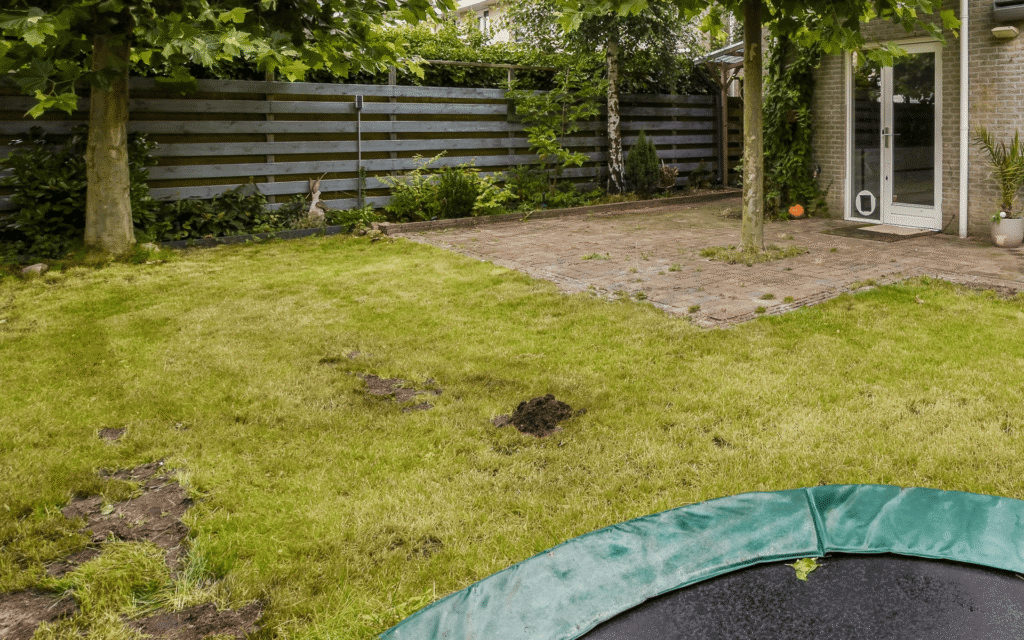
Proper lawn care isn’t just about throwing expensive seeds at the dirt. Routine lawn care relies entirely on the structural integrity of the ground below the surface. Tossing premium products onto severely degraded ground guarantees total failure. Most operators reckon skipping the soil assessment phase just burns cash for absolutely no reason.
Why Surface Symptoms Hide Deeper Structural Issues
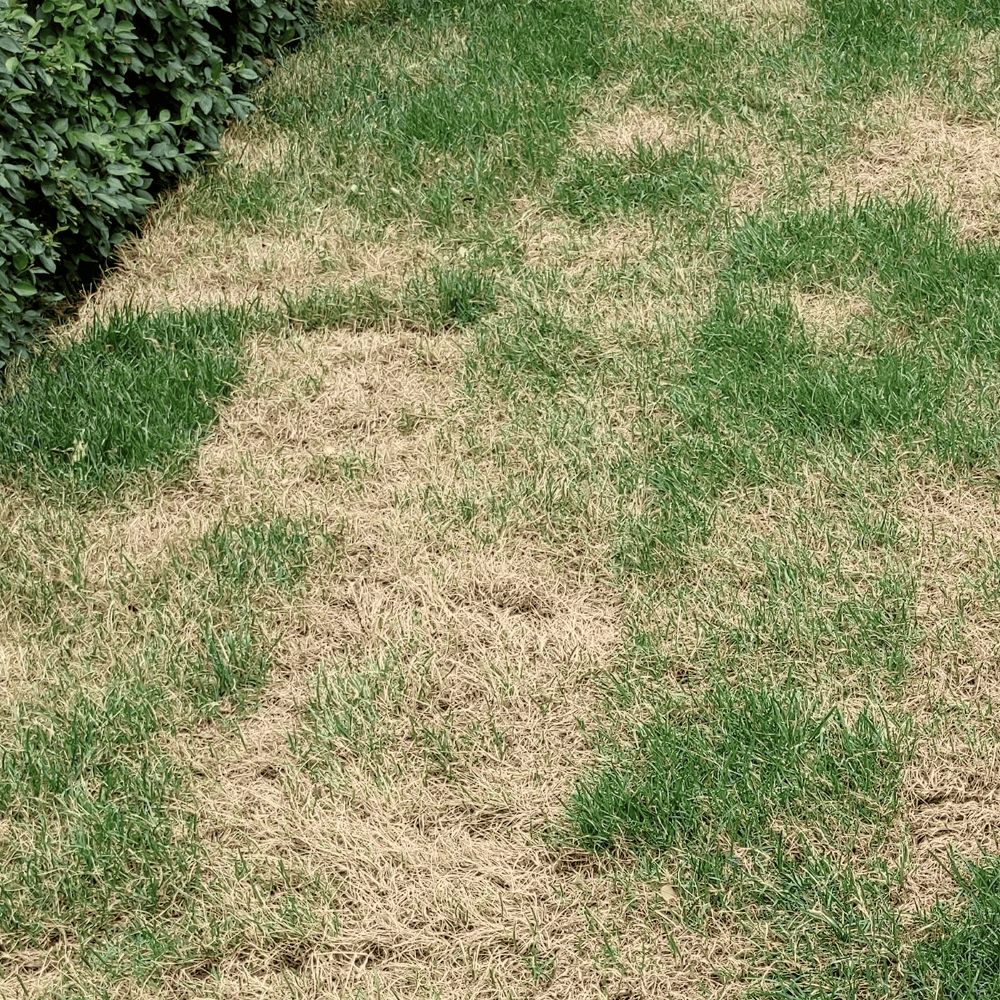
Surface symptoms like yellowing patches or weed takeovers are visual indicators of deeper problems like poor drainage or nutrient lock-up. Treating only the surface ignores the root cause completely and ensures the problem returns quickly. The visible damage’s usually just the final stage of a long underground collapse.
- A patch of aggressive bindii often indicates highly compacted earth rather than a simple weed infestation.
- Consistent yellowing frequently points to a severe nitrogen deficiency or a highly alkaline pH level.
- Ponding water after a mild rain shower shows the subsoil structure’s completely collapsed.
- Fungal outbreaks usually stem from excessive moisture trapped below a dense thatch layer.
Throwing expensive fungicide at a drainage issue won’t fix a collapsed subsoil. The common line in the trade’s that the dirt always tells the real story. Property owners need to dig a quick profile hole to see what’s actually happening below.
Taking a sharp spade and opening a 15-centimetre trench reveals the true state of the ground. The physical layers show exactly where the roots stop growing. This simple visual check provides infinitely more data than guessing from above.
The Cost of Skipping the Initial Ground Assessment
Skipping the initial ground assessment leads to wasted materials and blown maintenance budgets. Applying costly fertilisers to dead dirt ensures those chemicals just wash straight into the local stormwater drains. It’s a highly expensive way to achieve absolutely nothing.
- Wasted fertiliser expenses happen when highly acidic ground locks up vital nutrients immediately.
- Failed seed germination occurs because the hardened surface prevents new roots from penetrating the earth.
- Increased water bills hit hard when hydrophobic ground repels expensive irrigation efforts.
- Repeated turf replacement becomes necessary when fresh slabs rot away on diseased base material.
There’s no point throwing money at premium turf rolls if the base’s toxic. The underlying foundation has to be fundamentally sound before planting begins. Untested sites suffer a massive failure rate during the restoration phase.
Running a few basic physical tests takes a couple of hours at most. This small time investment stops people from repeating the exact same expensive mistakes next season. Good dirt is the cheapest insurance policy for a new lawn.
Identifying Chemical Imbalances and Base pH Issues
Identifying chemical imbalances requires testing the pH and baseline nutrient levels to confirm if the ground can support plant life. Turf needs a highly specific pH window to actually absorb any applied soil conditioners. A pH outside the 6.0 to 7.0 range locks up essential elements like iron. Field test kits give instant chemical readings on site.
- Taking samples from four different areas of the yard ensures an accurate average reading.
- Digging down ten centimetres gathers dirt directly from the active root feeding zone.
- Mixing the individual samples in a clean bucket creates a balanced testing batch.
- Waiting a few minutes lets the reactive dye show the true chemical result.
Getting this chemical balance wrong means the lawn literally starves to death. Even if the ground’s packed with raw nitrogen, the grass can’t eat it if the pH’s wrong. Correcting severe imbalances takes time and highly measured product applications.
Checking for Sub-Surface Thatch Accumulation
Checking for sub-surface thatch accumulation involves cutting a turf wedge to measure the thickness of dead organic matter above the soil. A dense mat thicker than ten millimetres completely blocks water and fertiliser from reaching the actual root zone. This spongy layer acts exactly like a waterproof blanket.
- Trapped surface moisture sits entirely in the thatch layer while the actual dirt below remains bone dry.
- Shallow root growth happens because roots spread sideways through the dead material instead of pushing down.
- Aggressive fungal diseases breed rapidly inside the constantly damp, rotting plant matter during warm weather.
- Spongy walking surfaces indicate a dangerously thick layer of dead runners dominating the topsoil.
Removing a small core sample quickly reveals how much dead material has built up over the years. Pushing expensive treatments through an impenetrable thatch layer just wastes good product. The assessment phase clearly shows if the site needs aggressive scarifying before any new planting begins.
Frequently Asked Questions
How Deep Should a Soil Profile Test Go?
A proper soil profile test should go down at least 15 to 20 centimetres. This depth exposes the primary root zone and reveals transitions between the topsoil and subsoil layers. Stopping at the surface misses the most critical structural information entirely.
Can Compacted Ground Be Fixed Without Digging It Up?
Compacted ground can often be repaired using a heavy mechanical core aerator. This machine pulls physical plugs of dirt out of the ground, creating immediate space for air and water. Topdressing the area with quality coarse sand then prevents the holes from collapsing.
Why Does Water Pool on the Lawn After Light Rain?
Water pooling after light rain usually indicates severe compaction or a hydrophobic surface layer. The ground tension’s so high that moisture simply can’t break through the hardened crust. Applying a commercial soil wetting agent helps break this surface tension immediately.
Wrap-Up
Finishing a thorough ground assessment guarantees that any subsequent restoration work actually takes hold and survives long-term. Understanding the baseline conditions prevents massive financial waste on premium products that the yard simply can’t absorb. Guessing the chemical state always results in expensive failure.