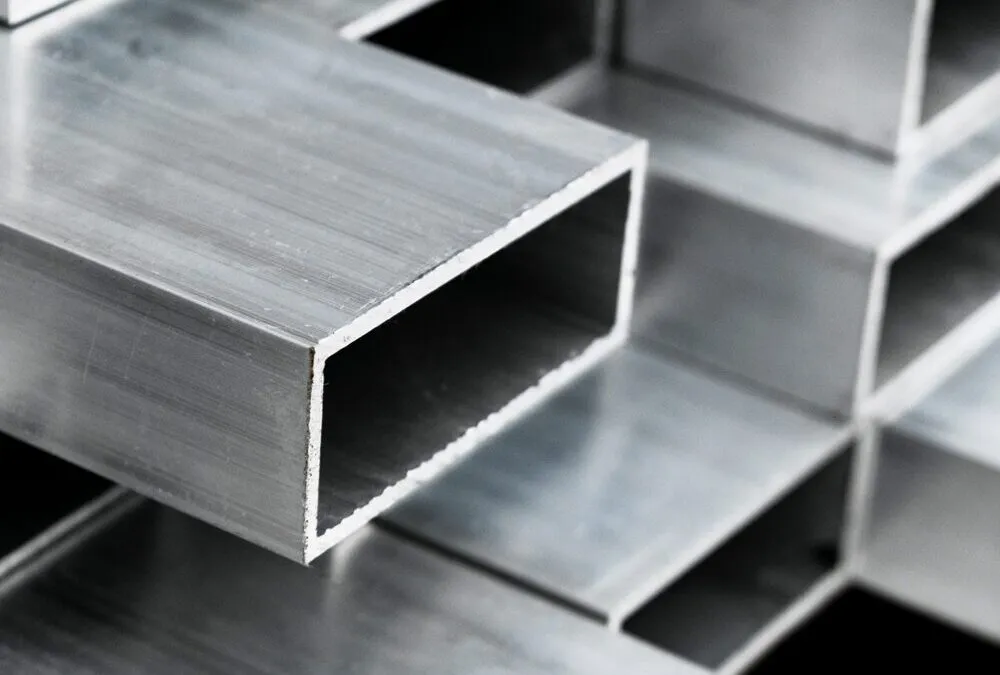
Aluminium extrusions are easy to overlook because they often sit in the background of a finished product. They show up as the frame, the trim, the track, the channel, the rail, or the neat edge that makes everything fit together properly. That is exactly why aluminium extrusion appears in so many industries and product categories. It solves real design and manufacturing needs in a practical way.
Why This Matters in Product Design
The reason aluminium extrusions appear so often is closely tied to how products are actually designed and built. Many products need more than a simple flat panel or a plain bar. They need a shape that performs a job, supports another part, and still looks finished.
That is where an aluminium extrusion becomes a strong option. The profile itself can be designed to deliver function across the full length of the part.
In practical terms, that often means a profile can help with things like:
- Holding panels or inserts
- Creating channels or guides
- Forming edges and trims
- Supporting frames and joints
- Providing a neat visible finish
- Standardising repeated parts in a product range
This is one of the biggest reasons extrusion is used so widely. It is often doing more than one job at once.
The Profile Does the Heavy Lifting
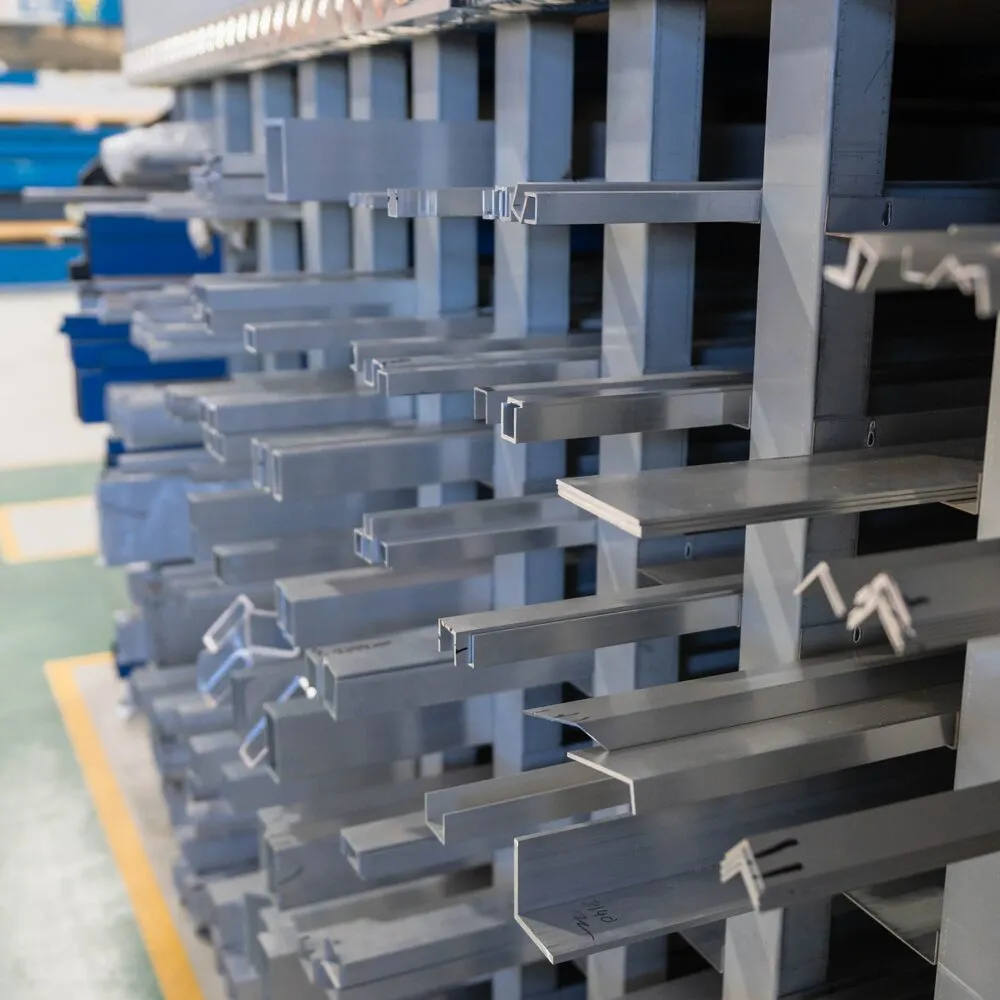
A major reason extrusions are common is that the profile carries built-in features. Instead of starting with a simple shape and adding every detail later, the shape itself can include those details from the beginning.
That changes the way a product is planned. The designer is not only choosing a material, they are choosing a working profile. In many cases, this makes the part easier to integrate into a larger assembly.
A profile-led approach can support product design by allowing:
- Grooves that run the full length
- Lips and edges for locating parts
- Internal voids or chambers
- Mounting sections for hardware
- Interlocking features between components
- Consistent alignment points for assembly
When the profile is doing this much work, it makes sense that aluminium extrusion keeps appearing in finished products across very different industries.
Consistent Cross-Sections Make Repetition Easy
Another big reason aluminium extrusions turn up so often is repeatability. A product line rarely needs just one part. It usually needs the same part in many units, sometimes in several lengths, and often with the same fit every time.
Extrusion supports that naturally because the cross-section repeats along the length. Once a profile is selected, it can be produced in long runs and then cut to suit different product sizes or project requirements.
This is especially useful in systems where consistency matters, such as:
- Framing systems
- Track systems
- Trim ranges
- Display assemblies
- Enclosure components
- Modular structures
That repeatable profile makes extrusion practical not only for one-off fabrication, but also for scalable production.
One Material Form, Many Product Roles
Aluminium extrusions also appear in many products because they are not limited to one kind of role. The same general process can produce profiles for structural support, decorative edges, mounting rails, guides, and system components.
This flexibility helps teams use extrusion across multiple parts of the same product or project. A business might use one profile for a frame, another for a trim, and another for a channel, all within the same build.
Common roles for an aluminium extrusion include:
- Frame member
- Edge trim
- Channel section
- Sliding track
- Joiner profile
- Protective edging
- Rail component
- Housing section
That broad range of uses helps explain why extrusions are found in products that seem unrelated at first glance.
They Work Well in Product Systems, Not Just Single Parts
Many modern products are really systems made up of repeatable components. That includes shop fittings, partition systems, displays, machine guards, enclosures, shelving, and architectural details. In these kinds of applications, the way parts connect matters as much as the parts themselves.
Aluminium extrusions fit this style of design very well because the profile can be developed with assembly in mind. A section can be shaped to receive another part, support a panel, or align with a matching profile.
That system-friendly behaviour often helps with:
- Faster assembly workflows
- More consistent fit between parts
- Clean transitions between components
- Easier cut-to-length planning
- Repeatable layouts across multiple units
This is a practical reason extrusions show up in so many product categories. They support organised, repeatable builds.
Standard Profiles and Custom Profiles Both Have a Place
Another reason aluminium extrusions are everywhere is that they can suit both common jobs and specialised jobs. Some projects need standard profiles that are used across many applications. Others need a custom section designed around a very specific product detail.
This range makes extrusion useful for a wide mix of projects, from simple builds to tailored product development.
In broad terms, teams often choose between:
- Standard profiles for familiar applications and faster specification
- Custom profiles for product-specific fit, function, or finish
- A combination approach, where standard sections are used alongside custom sections
That ability to move between standard and custom options helps extrusion stay relevant across different scales of work.
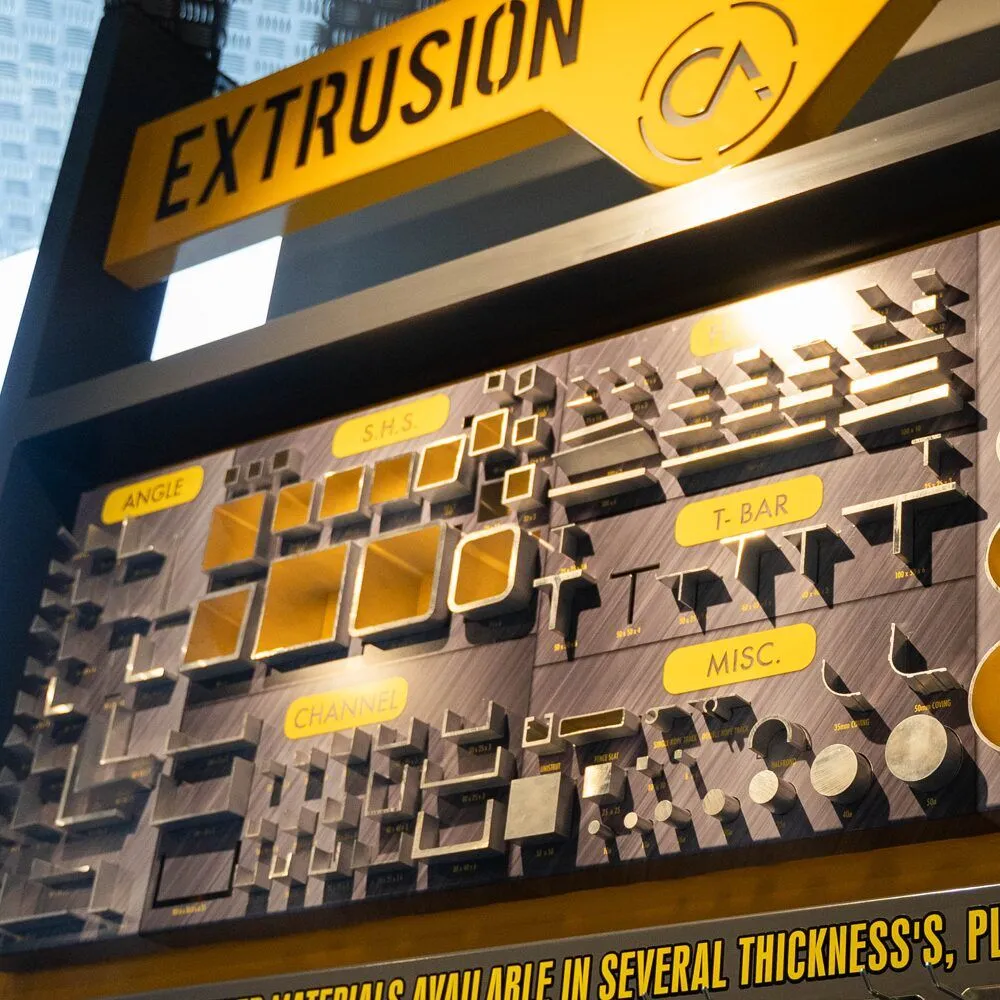
Extrusions Support Neat Finishes and Clean Edges
It is not only about structure or assembly. Aluminium extrusions also turn up in products because they can deliver a tidy finished look. In many products, the visible edge matters just as much as the internal support.
A profile can be designed to create a clean edge line, a consistent trim detail, or a section that visually matches the rest of the product. This is one reason extrusions are common in fit-outs, retail displays, furniture details, and architectural applications.
Final Thoughts
Aluminium extrusions turn up in so many products because they solve common design and build requirements in a very practical way. An aluminium extrusion provides a repeatable profile that can support fit, assembly, finishing, and product consistency across a wide range of applications.