Proper winter lawn care demands knowing if a brown patch is sleeping or dying. In agronomic terms, dormancy is a metabolic survival mechanism where warm-season turf stops upward leaf production to hoard carbohydrates. This biological shutdown happens when soil temperatures drop below specific seasonal thresholds. The plant isn’t dying.
The Visual Timeline of Colour Loss
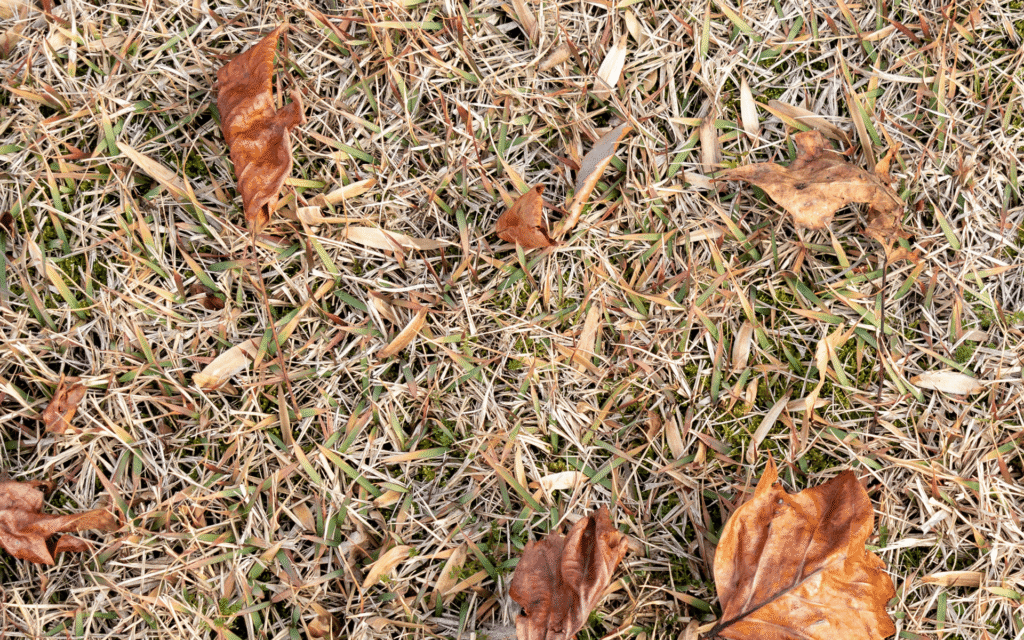
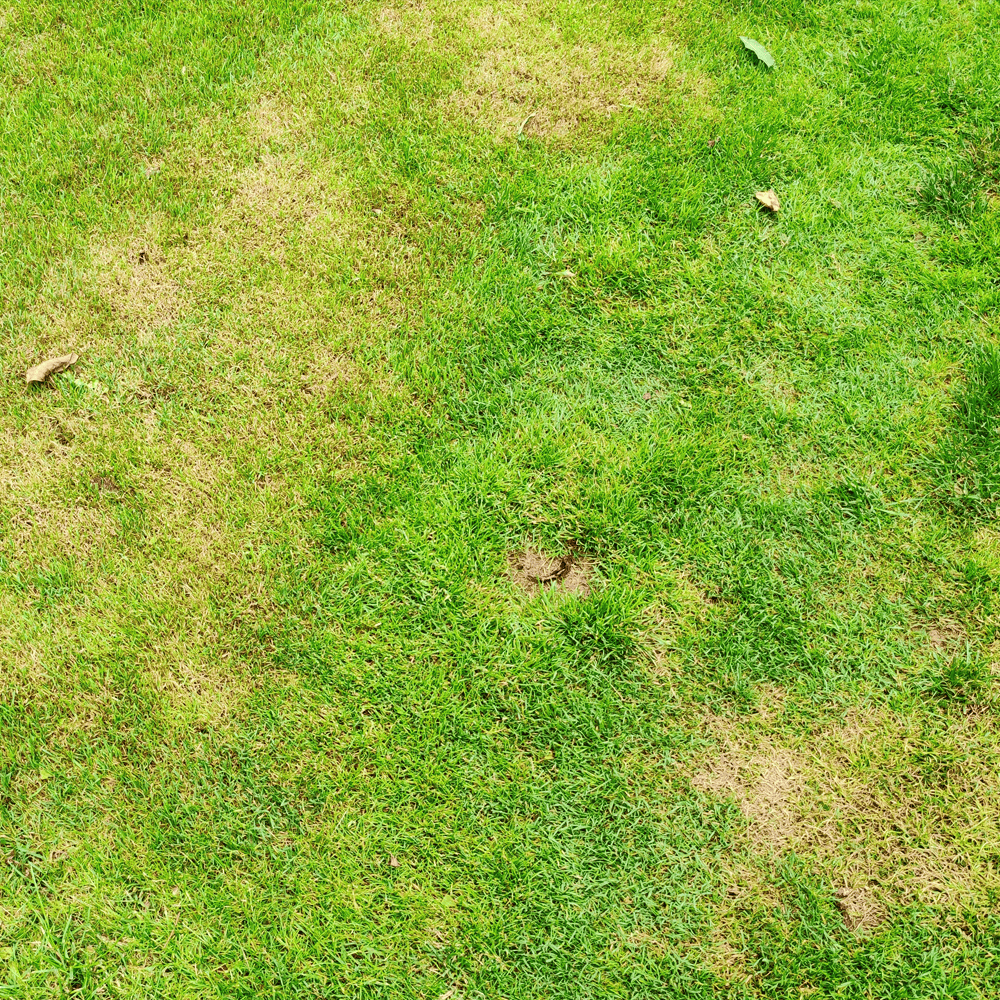
Natural winter colour loss presents as an even, gradual fading across the entire turf canopy rather than isolated dead patches. The green pigment recedes slowly as the plant stops producing chlorophyll. This uniform fading is a textbook indicator of seasonal shutdown.
- The grass blades turn a pale straw or golden brown hue.
- Underlying stems and stolons remain firm and retain a slight greenish tint.
- The root system stays firmly anchored and resists gentle tugging.
- The thatch layer smells earthy and fresh without rotting odours.
A faded lawn is just biding its time. The plant transfers its energy reserves downward into the root system.
Shaded areas always shut down first. Grass in the shade might lose colour weeks earlier than turf in full sun. This happens because shaded soil cools down much faster during autumn.
Distinguishing True Dormancy from Turf Disease
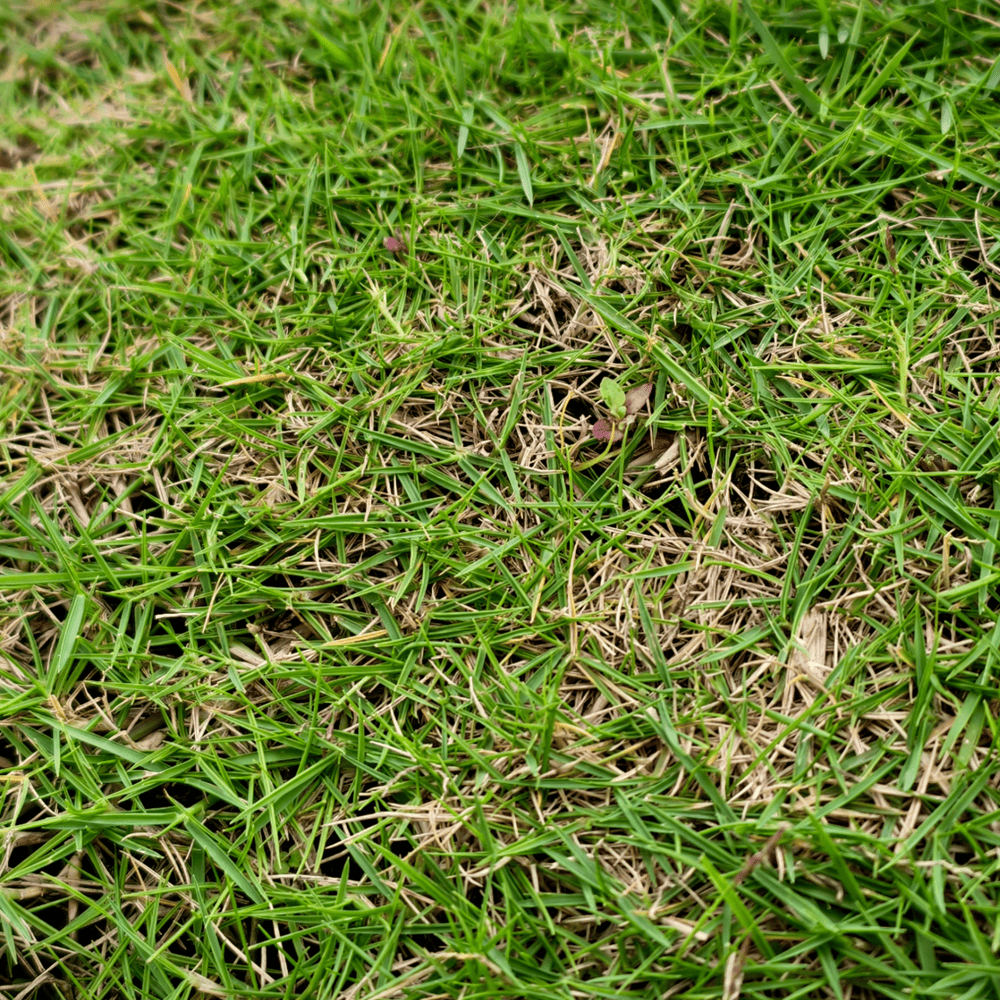
A lawn in genuine trouble displays irregular, expanding patches of brown, dead grass that pull away easily from the soil. These specific symptoms suggest something more sinister than a normal seasonal sleep. Fungal diseases or severe soil issues often masquerade as cold-weather stress.
- Patches of turf pull up like an old carpet, revealing chewed roots.
- Circular rings of dead grass appear and expand outward weekly.
- A slimy or greasy texture develops on the remaining grass blades.
- White, pink, or black fungal webbing becomes visible in the morning dew.
Field experience shows disease pressures spike when cold soils remain permanently wet. Poor drainage creates a waterlogged environment that literally drowns turf roots.
Black beetle larvae also cause severe root damage that becomes obvious during colder months. The common line in the trade is that pulling on the grass tells the whole story. If a handful of brown grass comes up with zero resistance, the roots are gone.
Targeted Winter Nutrition and Soil Management
Applying a tailored winter pack containing specialised nitrogen and soil mixes safely promotes healthy growth during harsh conditions. Specific seasonal formulations enhance moisture management and keep the turf resilient. These targeted products absorb effectively even when soil microbes slow down.
- Winter-specific nitrogen maintains cell strength and colour without forcing upward growth.
- Targeted soil mixes supply just enough energy to keep the plant stable.
- Proper seasonal inputs ensure the grass remains well-fed for spring recovery.
Using the right seasonal products prevents massive repair bills in spring. The turf handles proper soil adjustments very well during the colder months.
Experienced groundsmen test soil pH heavily during this dormant phase. Turf grasses prefer a slightly acidic soil pH between 6.0 and 7.0. Fixing soil chemistry during dormancy sets the stage for rapid spring recovery.
Soil Moisture Requirements During the Cold Months
Dormant turf requires minimal water and usually only needs irrigation if natural rainfall stops for several consecutive weeks. The plant isn’t actively transpiring moisture, so its total hydration needs drop massively.
Overwatering during this dormant period is a massive biological risk. Saturated soil creates an anaerobic environment that actively suffocates the fragile root system.
Fungal rot sets in very quickly under these specific wet conditions. It’s vital to rely on natural rainfall as much as possible during July and August. Natural winter precipitation usually covers the minimal hydration needs of a resting lawn.
Checking the soil moisture manually is highly recommended. Only apply extra water if the soil is completely bone dry.
Frequently Asked Questions
How Often Should a Dormant Lawn Be Watered?
Dormant lawns require minimal water, usually only needing irrigation if rainfall stops for several weeks. The root system still needs slight moisture to survive, but the soil shouldn’t stay soggy. Overwatering causes cold soil temperatures to plummet further, aggressively encouraging dangerous root rot.
Is It Safe to Fertilise Brown Grass in Winter?
Applying a tailored winter pack containing specific nitrogen and soil mixes safely promotes healthy growth during cold months. Standard summer fertilisers fail because they can’t break down properly in freezing soil. Using seasonal formulations enhances moisture management and provides essential nutrients to keep the turf strong.
Can Mowing Continue During the Dormant Phase?
Mowing can continue, but it should happen far less frequently and at a higher cut. Taking too much leaf off a dormant plant removes its protective canopy entirely. This exposes the sensitive crown of the grass plant to severe frost damage.
Key Takeaways
Understanding the physiological differences between dormancy and turf damage saves immense time and frustration. A fading lawn in July usually represents normal biology doing its designated job to protect the plant. Property managers who combine this understanding with targeted winter lawn care end up with much healthier turf long-term.
Diagnosing issues correctly prevents expensive mistakes. A well-managed dormant lawn always transitions smoothly when the spring weather finally arrives.