Opening cold soil through mechanical means breaks the surface tension on hard dirt and allows trapped water to drain rapidly. Winter weather severely limits the natural growth cycle of warm-season grasses across Australia. Lawn aerating physically punches holes or slices into the earth to relieve extreme soil compaction. This process prevents the ground from suffocating under heavy winter rainfall.
Identifying Severe Drainage Failures
Identifying severe drainage failures requires checking the ground for stagnant surface water that refuses to drain after heavy winter storms. Turf needs oxygen just as much as it requires water to survive.
Total waterlogging starves the root system incredibly fast during continuous cold drizzle. Agronomic data indicates warm-season varieties completely stop growing when soil temperatures drop below fourteen degrees.
- Puddles sitting on the surface for more than twenty-four hours indicate the underlying clay is fully saturated.
- The ground emits a faint rotten egg smell due to anaerobic bacteria multiplying in the oxygen-deprived dirt.
- Thick layers of green algae or slime form directly across bare dirt patches in heavily shaded areas.
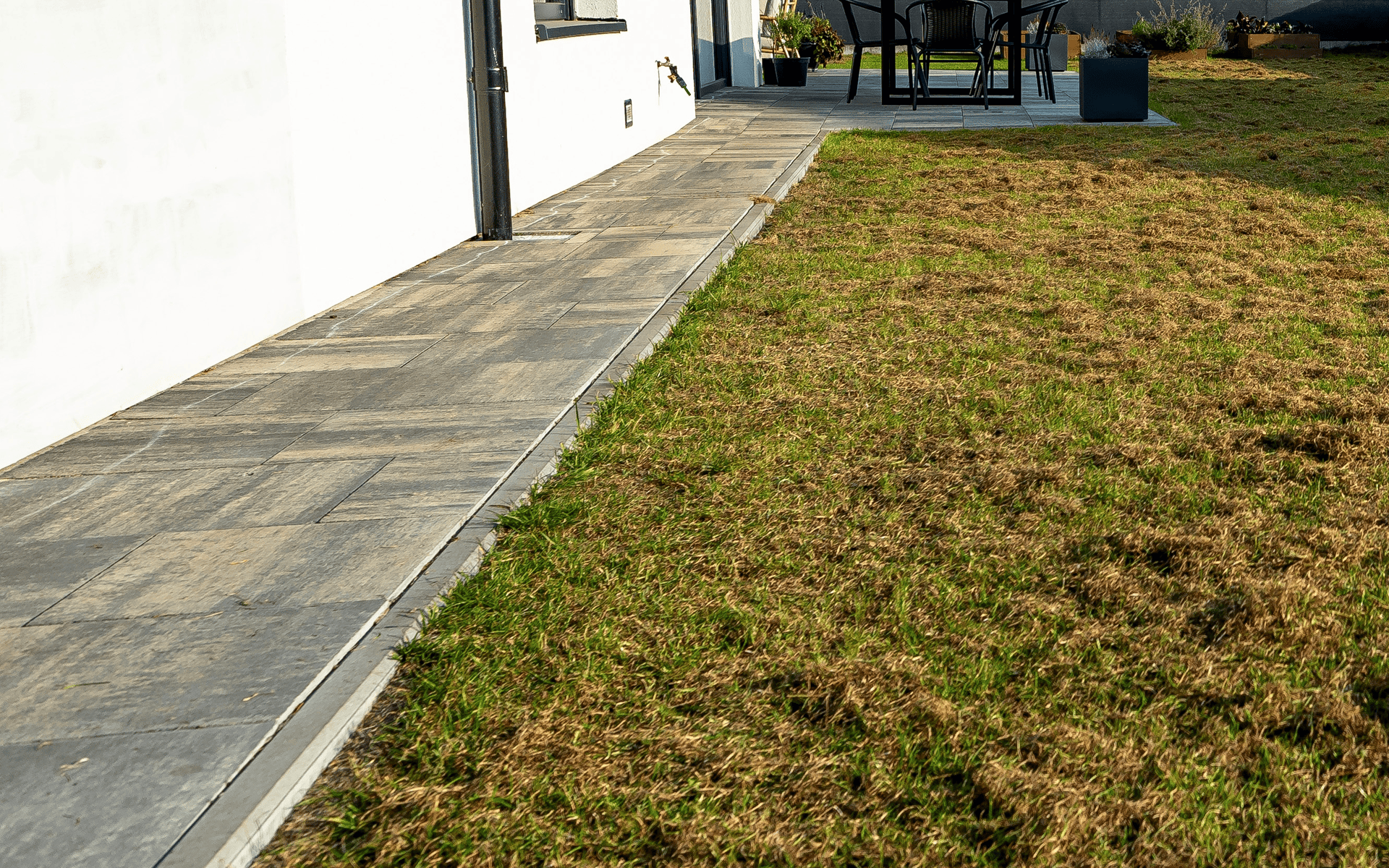
- Large sections of turf turn a sickly dark brown colour as the primary plant crown begins rotting.
Solid Tine Machinery During July Downpours
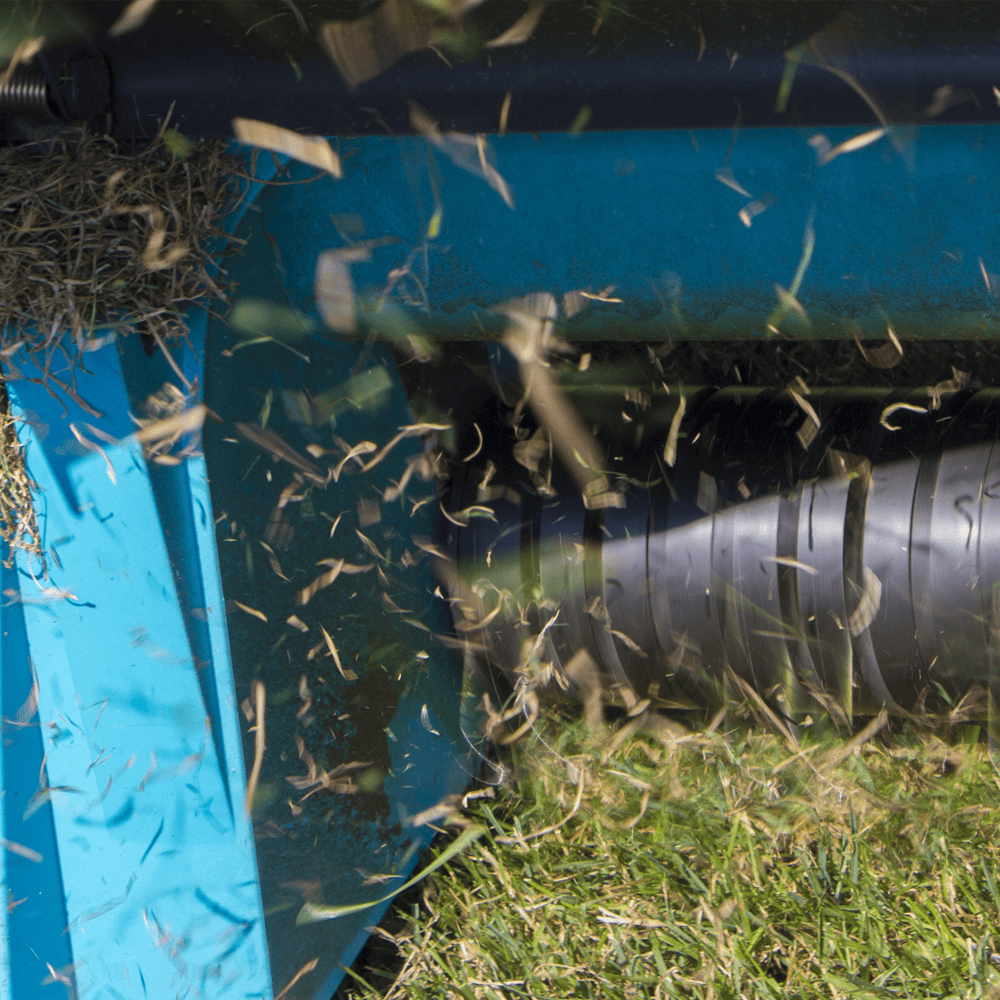
Solid tine spiking provides a highly effective method for winter ground work because it doesn’t extract messy plugs that turn into sludge. Pulling cores out of wet dirt in July creates an absolute mess on any residential block.
The metal tubes on a hollow coring machine quickly clog up with wet clay. Solid steel pins shatter the compacted layers without pulling physical material out.
- Clean vertical punctures provide immediate relief for stagnant water pooling around the primary grass crowns.
- The lack of muddy dirt plugs left on the surface means the yard doesn’t suffer from massive visual damage.
- Solid spikes don’t drag dormant weed seeds straight up onto the soil surface to germinate.
- The machinery operates much faster and keeps moving swiftly over heavily waterlogged winter ground.
Deep Tine Interventions for Severe Hardpan
Deep tine aeration punches massive steel spikes up to thirty centimetres into the ground to shatter heavy clay layers sitting far below the surface. Standard drum aerators only penetrate about five to seven centimetres into the dirt. This shallow depth barely breaches the main thatch layer on an established residential block. True relief requires driving pins deep enough to fracture the impermeable subsoil base.
This deep fracturing allows trapped water to escape downward into the deeper subsoil layers. Winter soil mechanics dictate that breaking the hardpan stops the yard from functioning like a sealed bathtub. The drainage improvement is immediate and highly measurable across the site.
The Role of Chemical Soil Penetrants
Chemical soil penetrants reduce surface tension and force pooled water down into the subsoil without requiring any destructive physical digging. Liquid treatments offer a highly effective alternative when the ground is too saturated for heavy mechanical equipment. These chemical agents break down the waxy hydrophobic coatings on individual soil particles. Applying a strong granular wetter slowly activates with each passing rain shower.
- Liquid aerators keep a severely waterlogged site breathing when mechanical intervention poses too much risk to dormant roots.
- Granular formulas sit safely on the surface and present absolutely zero risk of frost damage to exposed root systems.
- Mixing a penetrant with a liquid seaweed tonic assists general plant hardiness during prolonged stretches of freezing overnight temperatures.
- These chemical tools won’t fix physical compaction, but they buy enough time until spring soil temperatures rise.
Secondary Complications of Winter Soil Disturbance
Winter soil disturbance exposes dormant root systems to frost damage while simultaneously creating perfect germination pockets for aggressive seasonal weeds. Running heavy equipment over wet clay easily smears the sides of the newly created holes. This mechanical smearing creates a glazed clay pot effect that seals the puncture entirely. Roots won’t grow through that glazed barrier even when the warmer weather returns.
The physical scars left by winter machinery won’t heal for several months. Grass just sits there looking chewed up until late October. This leaves bare dirt open for opportunistic weeds to colonise.
Frequently Asked Questions
Does Aeration Directly Kill Winter Weeds?
Lawn aerating doesn’t directly kill weeds at all. It actually creates bare patches that dormant weed seeds quickly exploit. A thick turf canopy naturally chokes out weeds by blocking sunlight from hitting the soil. Heavy soil disturbance in July often triggers an explosion of broadleaf weeds.
How Often Should High Traffic Areas Be Spiked?
Yards with heavy foot traffic generally need mechanical spiking twice a year. Residential blocks with standard usage usually only require this physical intervention once every two years. Sandy soils naturally drain better and need it far less frequently than heavy clay profiles.
Can Sand Topdressing Fix Hard Clay Compaction?
Dumping sand directly on top of hard clay doesn’t fix the underlying physical compaction. It often creates a distinct barrier layer if the two materials fail to integrate. The ground must be physically punctured so the sand can drop down into the soil profile.
Final Thoughts
The decision to mechanically punch holes in a yard during July depends entirely on the severity of the surface flooding. Preventative soil work is always better left for the warmer spring months when the plant actively grows. Dormant grass simply doesn’t have the metabolic energy to repair physical damage. Only severe waterlogging justifies dragging heavy machinery across a sleeping yard.