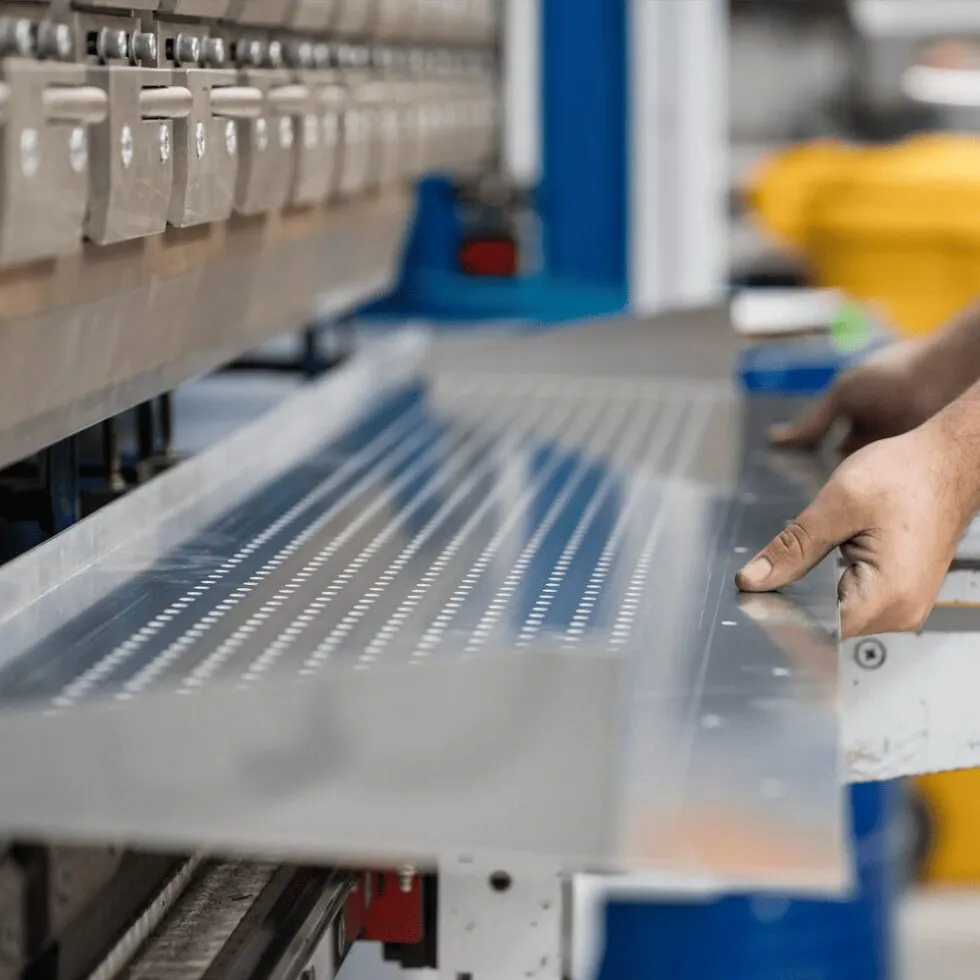
Aluminium perforated panels are flat aluminium sheets punched with a repeating pattern of holes, usually on a computer-controlled turret punch. An aluminium perforated sheet resists rust naturally and stays light enough to handle without extra hands. The holes let air, light or sound pass through a surface that still looks solid from a distance.
That combination explains why the material turns up in fences, screens, cladding and vents across Australian suburbs.
What Exactly Are Aluminium Perforated Panels?
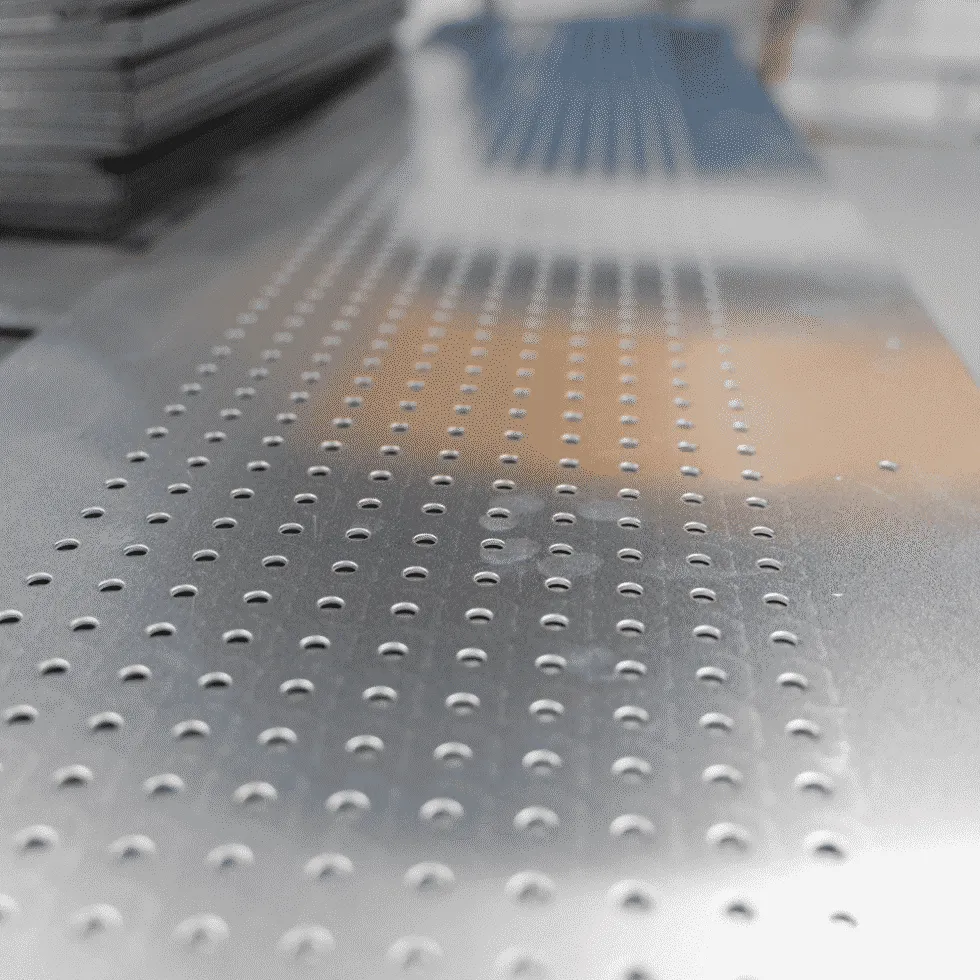
Aluminium perforated panels are aluminium sheets punched with a repeating hole pattern, and open area is the figure that decides how one performs. Open area describes the share of a sheet’s surface made up by the holes themselves. A pattern sitting around 30% open area looks and behaves differently to one pushed toward 60%. Hole size and spacing both factor into where that percentage lands.
Pattern, hole size and thickness get chosen together. Change one and the other two usually need adjusting to keep the panel doing its job.
How Are Aluminium Perforated Sheets Actually Made?
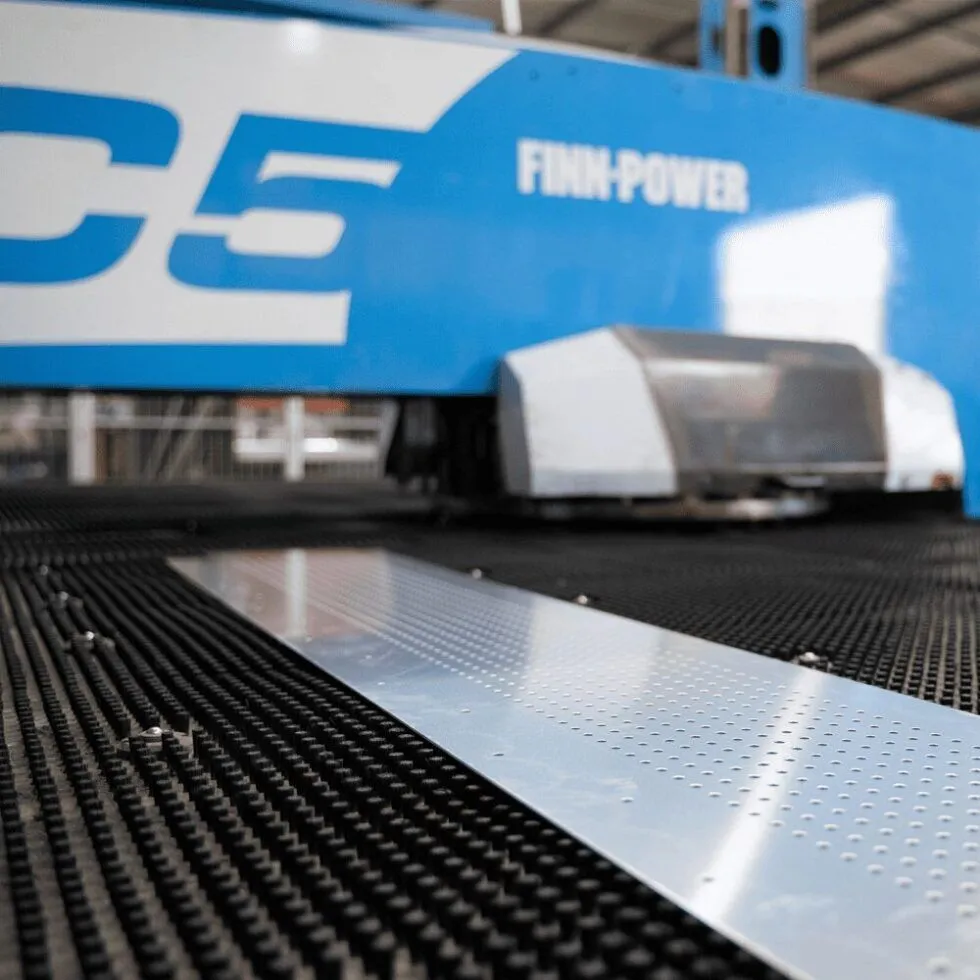
Aluminium perforated sheets are produced by feeding flat plate through a turret punch, a computer-controlled machine that stamps out the hole pattern in repeated passes. The same process works across steel, stainless, galvanised metal, aluminium, brass and copper, in thicknesses from about 0.8mm up to 10mm. Aluminium gets picked most often for home projects, mainly on weight and corrosion grounds.
Fabrication shops load a design file, and the punch works through squares, circles, triangles, louvres, dimples or custom shapes. Sheet fabricators note that accuracy comes down to the software and the punch setup on the day.
What Hole Patterns Are Available and Why Do They Matter?
Hole pattern shapes how much light, airflow and privacy a finished panel delivers. Most residential jobs get covered by a handful of standard options, and picking the right one early saves a re-order later.
- Round holes give balanced airflow and light with a familiar, straightforward look
- Square holes offer a more geometric appearance, with similar performance to round
- Triangular holes suit a distinct decorative pattern on cladding or feature screens
- Louvre patterns use angled slats that shield rain while still letting air through
- Dimple patterns are pressed shapes, mostly chosen for decoration alone
Shape mostly decides how a panel reads from a distance. Open area still does most of the practical work once it’s actually installed. That holds across fences, pergolas and cabinet fronts alike.
Why Aluminium Instead of Steel or Timber?
Aluminium beats steel and timber for most outdoor jobs because it doesn’t rust and needs almost no upkeep. That holds up under most real-world conditions homeowners actually face.
- Forms a natural oxide layer that resists corrosion, even close to the coast
- Light enough to handle without a second pair of hands for most sheet sizes
- Cuts and drills with basic tools, no welding gear needed for most home jobs
- Accepts powder coating or anodising for colour, with bare mill finish holding up fine inland
- Doesn’t rot, warp or attract termites the way timber screening eventually does
Maintenance costs usually decide the winner between aluminium and steel more than the sticker price does. Aluminium still isn’t suited to every job on a property. Structural framing calls for steel in most cases, since aluminium flexes more under heavy load. Getting that call wrong on a load-bearing job costs far more to fix than a decorative panel ever would.
Where Do Homeowners Actually Use Perforated Aluminium?
Perforated aluminium panels turn up in six or seven recurring spots around most residential properties. They usually earn their place as a visible design feature. The pattern often does double duty, working as both function and finish. Homeowners tend to notice it most on fences, screens and balcony infill around the property.
- Feature cladding on facades, entryways or carport fronts for a textured, architectural look
- Privacy fencing and gates that screen a yard without a solid wall
- Balustrade infill on balconies, stairs and decks as an alternative to glass or timber
- Pergola and carport roofing panels that filter harsh sun without blocking airflow
- Subfloor and roof space ventilation grilles that stop moisture building up
- Speaker grille inserts and cabinet vents that let sound and airflow through without exposing the electronics
Outdoor jobs are where perforated aluminium cops the most weather, and where the corrosion resistance earns its keep. One common mistake is choosing a pattern purely on looks, then finding the open area is wrong for the job. A fence panel picked for appearance alone can let too much light through for real privacy. Anything pushed past roughly 60% open area gives next to no visual screening at close range.
Frequently Asked Questions
How Long Do Aluminium Perforated Panels Last Outdoors?
Bare aluminium panels typically hold up for years outdoors without serious deterioration. The oxide layer that forms naturally on the surface keeps rust from taking hold. Coastal properties benefit from an occasional rinse to clear salt residue. Structural failure from corrosion is rare even on uncoated sheet.
Is Perforated Aluminium More Expensive Than Perforated Steel?
Steel sheet usually costs less upfront than aluminium of the same thickness. Most operators reckon aluminium works out cheaper over the years, once maintenance and rust-related replacement get counted in. For a one-off indoor project, steel can still make sense on budget grounds alone.
Can Aluminium Perforated Panels Be Cut to a Custom Shape After Purchase?
Yes, standard sheet can be cut down with a jigsaw, angle grinder or aviation snips on site. Cutting through the hole pattern itself is where first attempts usually go wrong. A fine-tooth metal blade and a steady hand usually sort that out.
Final Thoughts
Aluminium perforated panels solve a fairly narrow problem well, letting air, light or sound move through a surface that still looks deliberate. That’s most of the appeal in one line, and it explains the wide spread of jobs they turn up in. The right hole pattern, thickness and open area depend entirely on what the panel actually needs to do once installed. Sorting those details before ordering avoids the single costliest mistake in the whole process, ordering a sheet that doesn’t match the job.