The comfort and livability of homes in Melbourne have become a significant focus as the city experiences fluctuating temperatures year-round. With its combination of scorching summers and chilly winters, ensuring efficient cooling and heating in homes in Melbourne has never been more critical.
Recent legislative changes have aimed to address these concerns, particularly in rental properties, where tenants often lack control over the quality of heating and cooling systems.
The Need for Improved Heating and Cooling Standards
Melbourne is known for its unpredictable weather, with temperatures that can swing dramatically from one day to the next. The city’s climate necessitates effective heating in winter and reliable cooling in summer to maintain comfortable indoor environments.
Historically, many homes in Melbourne, especially older properties, have lacked adequate insulation and efficient heating and cooling systems. This has led to higher energy consumption, increased utility bills, and in some cases, health issues related to extreme temperatures.
Inefficiency in Older Homes
Older homes, which make up a significant portion of Melbourne’s housing stock, often suffer from poor thermal performance. These homes were built before energy efficiency became a priority in building codes, resulting in structures that are difficult to heat in winter and challenging to cool in summer. The inefficiency of these homes not only affects comfort but also leads to higher energy usage, contributing to increased greenhouse gas emissions.
Rental Properties: A Long-Standing Issue
Tenants in Melbourne have historically faced challenges related to heating and cooling, as they often have limited control over the systems installed in their rental properties. Landlords, focused on minimising costs, may neglect to upgrade old, inefficient systems, leaving tenants to bear the brunt of high energy bills and uncomfortable living conditions. This situation has been particularly problematic in low-income households, where the financial burden of high energy costs can be overwhelming.

New Legislation: A Step Toward Better Living Conditions
The Victorian Government has introduced new legislation aimed at improving the standard of heating and cooling in rental properties. Under these laws, all rental properties must meet minimum standards for heating, ensuring that tenants have access to energy-efficient and effective systems.
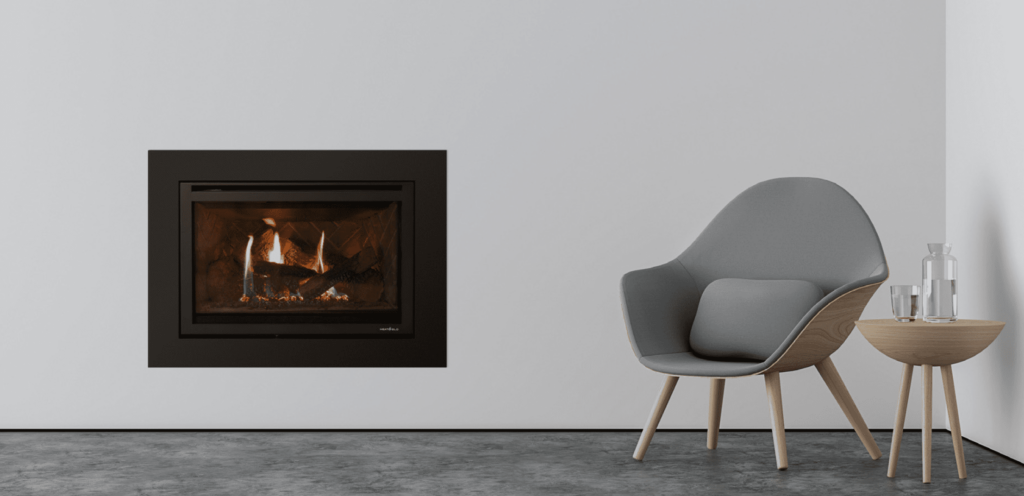
The requirement specifies that living rooms must be equipped with a fixed heater that meets a minimum two-star energy efficiency rating. This move is part of a broader effort to enhance the quality of rental housing and ensure that all residents have access to safe, comfortable living environments.
Impact on Cooling Systems
While the legislation primarily focuses on heating, there is also an increasing awareness of the need for efficient cooling systems. As Melbourne’s summers grow hotter, the demand for effective cooling has risen. Although the laws do not currently mandate specific cooling requirements, the increased emphasis on energy efficiency and thermal comfort is likely to influence future regulations. This shift is expected to encourage landlords to invest in better cooling solutions, further enhancing the livability of rental properties.
Energy Efficiency Incentives
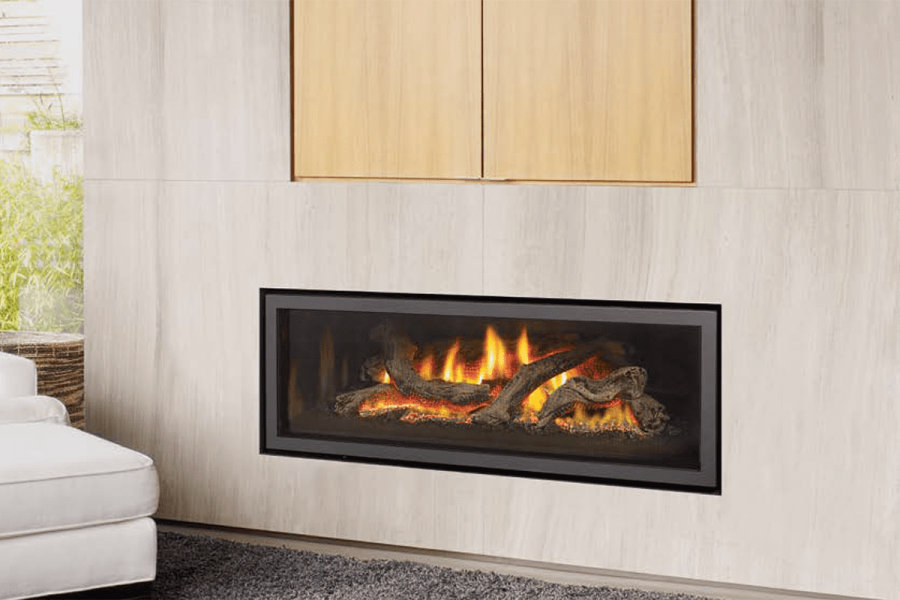
In addition to the minimum standards for rental properties, the Victorian Government has introduced incentives for homeowners and landlords to upgrade their heating and cooling systems. These incentives include rebates and subsidies for installing energy-efficient systems, such as reverse cycle air conditioners and high-efficiency gas heaters. The aim is to reduce energy consumption, lower greenhouse gas emissions, and make homes more comfortable year-round.
Benefits for Tenants and Homeowners
One of the most immediate benefits of the new laws and incentives is the potential for reduced energy bills. By ensuring that heating and cooling systems are energy-efficient, tenants and homeowners can lower their energy consumption, leading to significant savings on utility bills. This is particularly important in Melbourne, where extreme temperatures can result in high energy usage during both summer and winter.
Improved Comfort and Health
Access to efficient heating and cooling systems directly impacts the comfort and health of residents. Inadequate heating during winter can lead to cold-related health issues, particularly in vulnerable populations such as the elderly and young children. Similarly, poor cooling systems can cause heat stress during Melbourne’s hot summers.
By mandating minimum standards for heating and encouraging the installation of efficient cooling systems, the new laws help ensure that homes are comfortable and safe year-round.
Environmental Impact
The push towards more energy-efficient heating and cooling systems also has significant environmental benefits. Reducing energy consumption in homes directly contributes to lower greenhouse gas emissions, helping Melbourne and Victoria meet their climate goals. The transition to more efficient systems is a critical step in addressing climate change and promoting sustainable living practices across the state.
Conclusion
The introduction of new laws aimed at improving heating and cooling standards in Melbourne represents a significant step forward in enhancing the livability and sustainability of homes across the city. By setting minimum standards for rental properties and offering incentives for energy-efficient upgrades, the Victorian Government is helping to ensure that all residents have access to comfortable, safe, and affordable living conditions.