
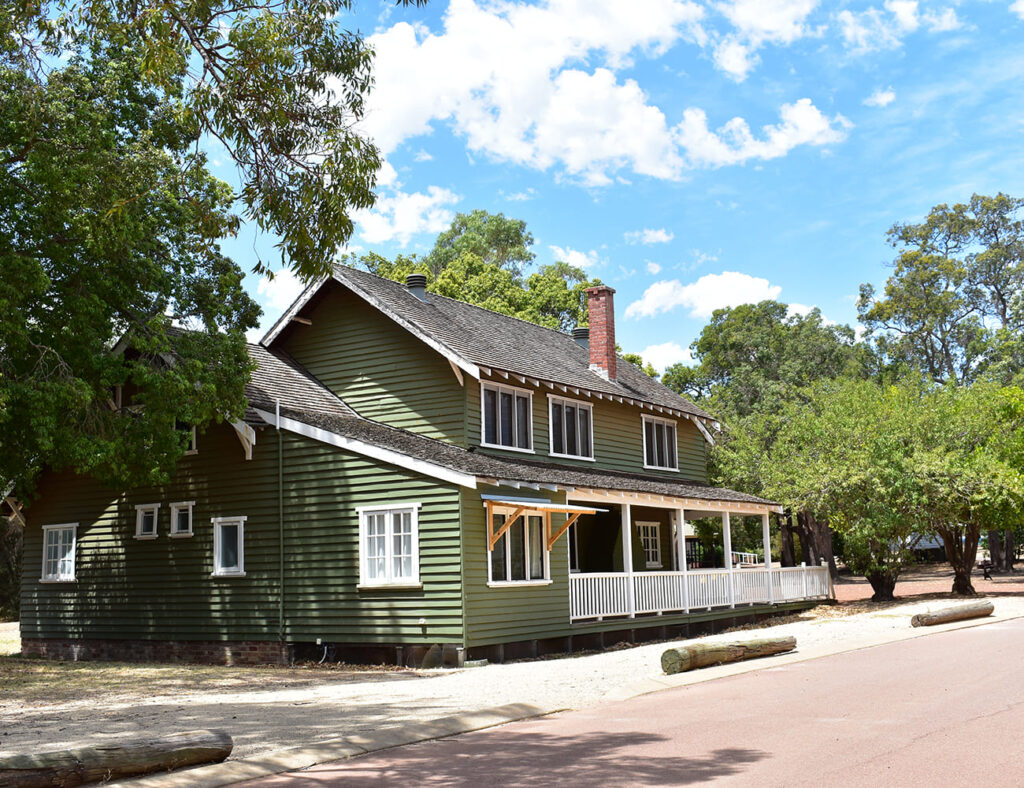
Finding the perfect retreat location is essential for individuals and groups seeking relaxation, inspiration, and personal growth. While modern amenities are important, the significance of history and heritage in retreat venues cannot be overstated. Historical settings offer unique experiences that enrich the retreat, providing depth, character, and a sense of connection to the past.
A Deep Connection to the Past
Retreats set in historical locations allow participants to immerse themselves in the past, offering a tangible connection to bygone eras. Walking through ancient corridors, sleeping in heritage-listed cottages, or dining in century-old halls provides a unique ambiance that modern facilities often lack. This immersion fosters a deeper appreciation for the site’s cultural and historical significance.
Preserving Cultural Identity
Historical retreat venues play a crucial role in preserving and showcasing cultural heritage. By maintaining and utilising these sites, we honour the traditions and stories that shaped them. This preservation not only safeguards the physical structures but also keeps the associated customs and narratives alive for future generations.

Educational Opportunities
Historical sites serve as living classrooms, offering educational opportunities beyond traditional settings. Retreat participants can engage with history firsthand, enhancing their understanding through guided tours, workshops, and interactive exhibits. This experiential learning fosters a deeper appreciation for the past and its relevance to the present.
Inspiring Personal Growth
Engaging with history can inspire personal reflection and growth. Understanding the challenges and triumphs of those who came before us can provide perspective, resilience, and motivation. Retreats in historical settings encourage participants to draw parallels between past and present, facilitating meaningful personal development.
Economic and Community Benefits
Utilising historical sites as retreat venues can stimulate local economies. Increased visitor numbers lead to higher demand for local services, including accommodation, dining, and entertainment. This influx supports small businesses and can lead to job creation within the community.
Encouraging Preservation Efforts
The popularity of historical retreats underscores the importance of preserving heritage sites. Revenue generated from such retreats can be reinvested into maintenance and restoration projects, ensuring these cultural landmarks endure for future generations. This sustainable approach benefits both the community and the heritage site itself.
Unique and Memorable Experiences
Historical retreat locations offer a unique atmosphere that modern venues cannot replicate. The architecture, decor, and surrounding landscapes contribute to an ambiance rich in character and charm. This distinctive setting enhances the overall retreat experience, making it more memorable for participants.
Storytelling and Tradition
Every historical site has its own stories and traditions. Incorporating these narratives into the retreat program adds depth and context, enriching the experience. Participants leave with lasting memories and a greater appreciation for the site’s historical significance.
Fairbridge Village, Western Australia
Fairbridge Village, located in Pinjarra, Western Australia, exemplifies the benefits of historical retreat locations. Established in 1912 by Kingsley Fairbridge, the village was originally a farm school for underprivileged children from the United Kingdom. Today, it stands as a heritage-listed site offering unique retreat experiences.
Accommodation with Character
The village boasts 23 self-contained cottages, each exuding historical charm. Accommodating groups ranging from small gatherings to larger assemblies, these cottages provide a cozy atmosphere complete with features like wood fireplaces. Staying in these heritage buildings allows guests to step back in time while enjoying modern comforts.
Activities Rooted in History
Fairbridge Village offers a plethora of activities that highlight its rich history and natural beauty. Guests can explore scenic trails, engage in wildlife spotting, or participate in heritage tours that delve into the village’s storied past. These experiences foster a deep connection to the site’s cultural and natural heritage.
Community Engagement
By choosing Fairbridge Village as a retreat destination, guests contribute to the preservation of this significant heritage site. The revenue generated supports ongoing maintenance and community programs, ensuring the village remains a vibrant hub for cultural and educational activities.

Conclusion
Selecting a retreat location imbued with history and heritage offers unparalleled benefits. From fostering a deep connection to the past and providing educational opportunities to stimulating local economies and ensuring unique experiences, historical sites enrich retreats in ways modern venues cannot. Embracing these locations not only enhances the retreat experience but also plays a vital role in preserving our cultural heritage for future generations.