Temperature settings are key to controlling air conditioning (AC) costs. Each degree your AC works to shift the indoor temperature from the outdoor temperature affects how much energy it uses, impacting your bill. With each degree of cooling or heating, energy costs can vary by up to 10%, depending on usage and other factors.
How Temperature Impacts Energy Costs
Your AC works by pulling in air, conditioning it to the desired temperature, and releasing it back into your home. The greater the difference between indoor and outdoor temperatures, the harder your AC works. If it’s 35°C outside, setting your AC to 18°C will require significantly more energy than setting it to 24°C. For each degree difference, the system’s energy use can increase by roughly 5-10%, meaning small adjustments have a big impact on costs.
Recommended Temperature Settings
To maintain comfort without spiking energy costs, consider these guidelines:
- Summer Settings: Set your AC between 24°C and 26°C during the summer. This range provides a cool atmosphere while minimising energy demands.
- Winter Settings: For heating, aim for 18°C to 20°C in winter. Keeping temperatures in this range reduces strain on the AC, balancing warmth with cost-effectiveness.
Benefits of Following Efficient Temperature Ranges
Efficient temperature settings help prevent your system from overworking, which saves energy and extends its life. Lower costs aren’t just a result of fewer kilowatt-hours; less wear and tear on the system also means reduced maintenance needs and a longer unit lifespan. For every degree higher you set your cooling in summer or lower in winter, you can expect up to a 10% savings in electricity costs, which adds up over time.
Additional Tips for Cost-Effective AC Use
Temperature settings are crucial, but they’re just one aspect of AC efficiency. Here are practical ways to manage costs while maximising comfort:
- Use Timers and Smart Settings: Program your AC to run only when needed. A timer or smart thermostat can help reduce operation times, saving energy when you’re asleep or away.
- Clean and Replace Filters: Regularly cleaning or replacing filters keeps your AC working efficiently. Clogged filters cause the system to work harder, increasing energy use and costs.
- Optimise Home Insulation: Insulated spaces retain cool or warm air more effectively, allowing you to maintain comfortable temperatures with less AC power.
- Limit Sun Exposure: In the summer, close curtains or blinds on sun-facing windows to reduce indoor temperatures naturally. This can reduce the need for extreme cooling.
- Use Fans for Airflow: Fans can distribute cool air more effectively, allowing you to keep your AC at a higher setting without losing comfort. This can be a cost-effective supplement to your AC.
Split System vs. Ducted Air Conditioning
The type of AC system also plays a role in costs. Split systems, which cool individual rooms, can be more economical than ducted systems that cool an entire home. Split systems allow you to set different temperatures in each room based on occupancy, making them an efficient choice if you don’t need to cool the whole house. In contrast, ducted systems may be less efficient if used extensively to cool large areas.
Practical Example of Temperature Adjustments
To illustrate, if you typically set your AC to 21°C in summer, raising it by just one degree to 22°C could reduce your cooling costs by roughly 5-10%. Over a month, this minor adjustment might save a significant amount, especially during extended heatwaves. Likewise, adjusting from 19°C to 18°C in winter can reduce heating costs without sacrificing comfort, as layering up can often achieve the same warmth with less energy use.
How Climate Influences Ideal AC Temperatures
Australian climates vary, so recommended settings may need to be adjusted based on location. Coastal areas with moderate temperatures may need less extreme cooling or heating, while regions with hot, dry summers or colder winters might find it worthwhile to invest in AC systems that operate efficiently under specific temperature ranges. Understanding your climate and AC capacity can help tailor the best practices for energy savings.
Considerations for Families and Unique Needs
Households with children, elderly members, or pets may need slightly different temperature ranges to ensure comfort. Adjustments, however, should be made with cost-efficiency in mind; aim to find a balance between comfort and economic operation by setting the system to the lowest reasonable cooling or heating threshold that ensures a safe and comfortable environment.
Seasonal AC Maintenance Tips
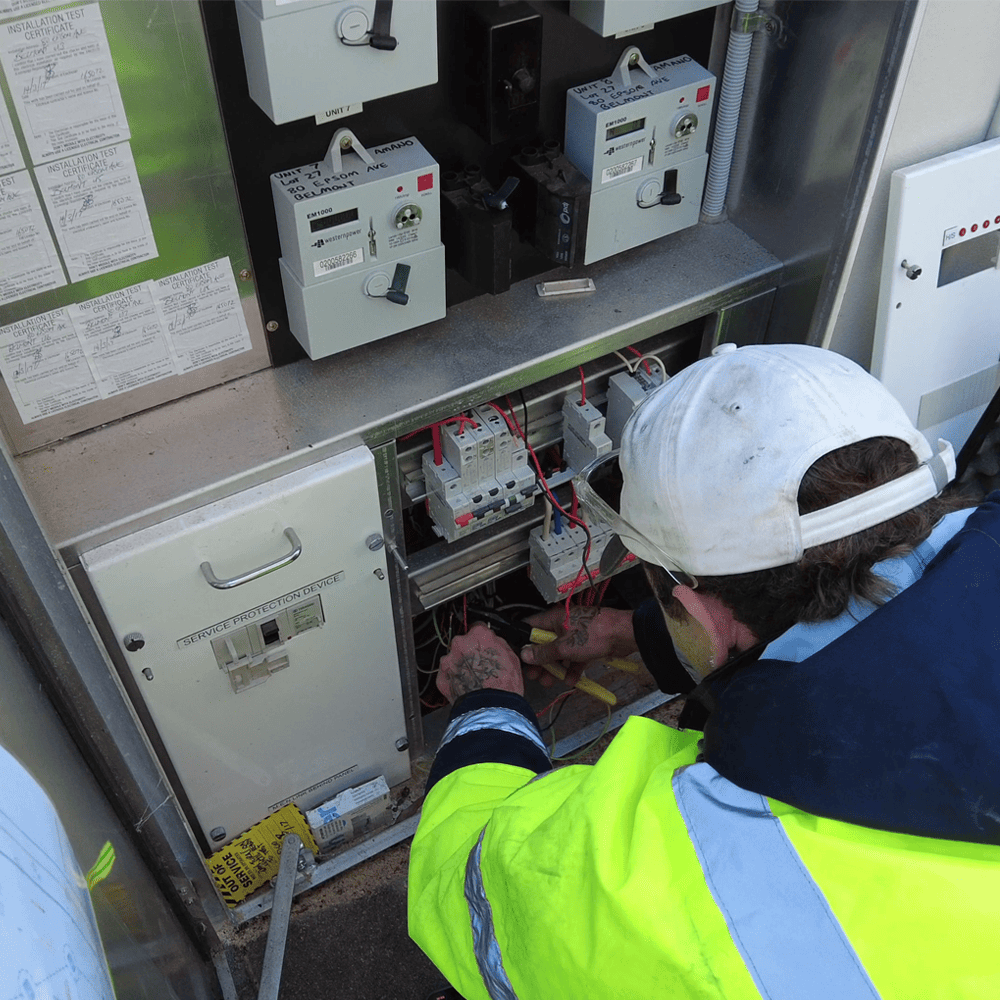
Maintaining your system is key to efficiency. Before summer and winter, consider professional servicing to inspect for leaks, refrigerant levels, and electrical connections. Regular checks ensure that your AC is functioning as intended, so it doesn’t consume more energy than necessary. Proper maintenance, coupled with efficient temperature settings, can yield noticeable cost savings.
How to Estimate Your Potential Savings
With efficient temperature management and regular maintenance, the average household can expect to save hundreds on energy bills each year. If your monthly summer cooling costs are $200, adjusting the temperature settings by even 1-2°C could save $20-$40 monthly. Over a season, these savings contribute to a reduction in overall energy expenditure, making it an effective approach for households aiming to reduce expenses and environmental impact.
Final Thoughts
Keeping air conditioning costs manageable doesn’t mean you have to compromise on comfort. Setting your AC within efficient temperature ranges, maintaining your unit, and using additional methods like insulation and fans can create a comfortable, cost-effective home environment. A few small changes to your habits, such as adjusting temperatures slightly and using timers, can yield noticeable savings. By following these strategies, you can enjoy the benefits of AC without a spike in your energy bill, benefiting both your budget and the environment.