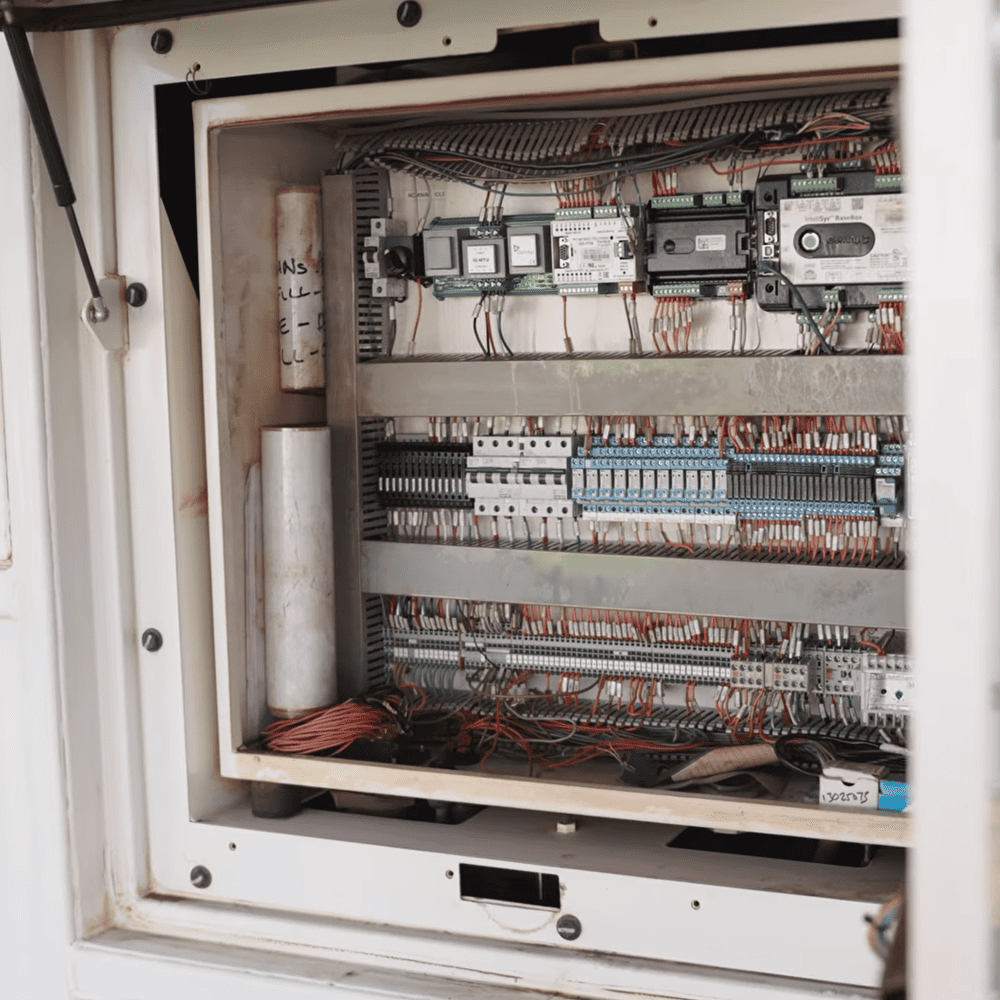
Effective strata maintenance and repairs require a solid grasp of building electrical infrastructure. A strata switchboard is the central distribution point directing electricity from the main supply to individual circuits.
Most committees assume a quick visual check for tripped breakers or obvious burning smells is enough to tick the safety box. But that casual glance misses the hidden faults degrading behind the panels.
What Basic Visual Inspections Accomplish
A basic visual inspection identifies immediate, physical damage or surface-level wear on the switchboard enclosure. Strata managers often perform these cursory checks during regular property walk-throughs to spot obvious red flags.
It requires zero tools and provides a quick snapshot of the external cabinet condition. This simple process forms the first line of defence against general deterioration.
- Dust and debris buildup around the external housing that might block ventilation.
- Signs of water ingress or rust forming on the metal cabinet doors.
- Scorch marks or melted plastic near the main breakers indicating a past issue.
- Unsecured access doors that let pests get inside easily.
Pests love a warm electrical cabinet during the cooler months. Geckos, rodents, and ants often nest inside and cause unexpected short circuits. A basic check might spot an ant trail outside the box. It won’t spot the damage they’re doing to the internal wiring.
The Hard Limits of a Cursory Glance
Visual checks fail to detect loose connections, degraded insulation, or overloading issues occurring out of sight. A standard look-over relies only on the naked eye and a good sense of smell. The internal electrical health remains a complete mystery without the proper testing equipment. The board might look perfectly fine while failing internally under heavy load.
- Micro-arcing behind the panel isn’t visible until a fire actually starts.
- Thermal degradation of wires requires specialised infrared tools to properly spot.
- Torque settings on terminals loosen over time through natural thermal expansion.
- Imbalanced loads across different phases don’t show any external visual symptoms.
Copper wiring expands and contracts as it heats and cools daily. That constant movement eventually loosens the mechanical termination points. Most operators reckon a loose connection is the leading cause of switchboard fires. A layman looking at the board will just see normal wires.
What Professional Inspections Actually Involve
Professional inspections involve thermal imaging, mechanical torque checks, and fault loop impedance testing. Qualified sparkies don’t just look at the board during these assessments. They test how the entire system handles actual electrical pressure. This process goes far beyond a simple visual once-over.
- Using thermal cameras to find hotspots before they melt the wiring insulation.
- Testing safety switch trip times to ensure they meet strict Australian standards.
- Checking maximum demand limits against the incoming underground supply cables.
- Tightening all mechanical connections to exact manufacturer torque specifications.
Electricians use specialised gear to measure things the human eye entirely misses. They scan the whole board with a thermal camera while it operates under load. A bright red spot on the screen means a connection is copping a hammering. That heat indicates severe resistance that will eventually cause a catastrophic failure.
They also verify the switchboard complies with current wiring rules. Safety regulations change frequently, and older boards often fall behind the accepted standard. A professional assessment highlights these compliance gaps clearly.
The Impact of Environmental Factors on Switchboards
Environmental factors accelerate switchboard degradation through rust, humidity-induced corrosion, and pervasive pest infestations. Australian coastal areas present a massive challenge for long-term electrical infrastructure. Salt air eats away at metal enclosures incredibly fast if left untreated. Moisture inside the cabinet leads to electrical tracking across the active terminals.
A sealed board is worth its weight in gold in harsh climates. It keeps the elements out and prevents premature component failure. Effective strata maintenance and repairs demand strict attention to these specific environmental threats. Ignoring them just guarantees a massive replacement bill down the line.
Water leaks present another severe hazard for electrical boards in apartment blocks. A minor roof leak can channel water directly into the main common cabinet. Committees must address building defects immediately to protect the electrical infrastructure. A wet switchboard is a massive safety hazard.
Frequently Asked Questions
How Much Does a Professional Strata Switchboard Inspection Cost?
Professional inspections typically range from a few hundred to over a thousand dollars. The exact price relies on the building size and the age of the installation. Committees should always request detailed quotes from licensed contractors to compare inclusions.
Can a Building Manager Perform Switchboard Maintenance?
Building managers can only perform basic external visual inspections for obvious physical damage. They aren’t legally qualified to remove the covers, test the wiring, or replace breakers. Any internal work strictly requires a licensed electrician to ensure ongoing safety and compliance.
Why Do Older Strata Switchboards Need Replacing?
Older boards often lack modern safety switches and struggle with modern appliance electrical loads. The old wiring degrades over time, significantly increasing the risk of an electrical fire. Upgrading ensures the entire building meets current Australian electrical safety standards.
Wrap-Up
Committees shouldn’t rely on a quick visual check to secure their entire residential building. Basic walk-throughs have a place, but they don’t replace thorough technical testing. A licensed professional brings the specialized tools needed to spot hidden electrical dangers. Investing in proper assessments prevents catastrophic failures and keeps complex insurance policies intact.