
Commercial outdoor lighting preventative maintenance keeps exterior systems functional, compliant, and cost-effective over their intended lifespan. Property managers often engage a commercial electric service to handle this ongoing requirement. Field experience shows that waiting for bulbs to blow before calling a sparky costs more in the long run.
The Reality of Exterior Fixture Degradation
Exterior fixture degradation happens because environmental exposure destroys seals, dulls lenses, and corrodes electrical contacts faster than indoor setups. Rain, ultraviolet radiation, and temperature shifts subject outdoor components to constant stress. It’s rare for an exterior light to last its rated lifespan without intervention. Most operators reckon regular inspections remain the only way to catch early failure signs.
- Seals and gaskets dry out under the harsh Australian sun, letting moisture seep directly into the electrical housing.
- Polycarbonate lenses turn yellow and cloudy from continuous ultraviolet exposure, blocking up to thirty percent of the light output.
- Mounting hardware rusts or loosens due to wind vibration, posing a physical drop hazard to pedestrians below.
- Insects build nests inside the protective housing, causing thermal buildup that fries the sensitive LED drivers.
Routine upkeep preserves the physical integrity of the entire lighting asset long before the lamps die. A qualified commercial electric service factors this gradual degradation into their maintenance schedules. Technicians look for these specific failure points during their quarterly site walk-throughs.
Core Components of Routine Maintenance Checks
Routine maintenance checks involve visual inspections, electrical testing, and physical cleaning to ensure every outdoor lighting asset operates safely. Technicians log the condition of each pole, bollard, and wall pack across the commercial site. A standard review catches minor faults before they trigger broader circuit trips. Property owners get a proper crack at avoiding liability when technicians stick to a strict checklist.
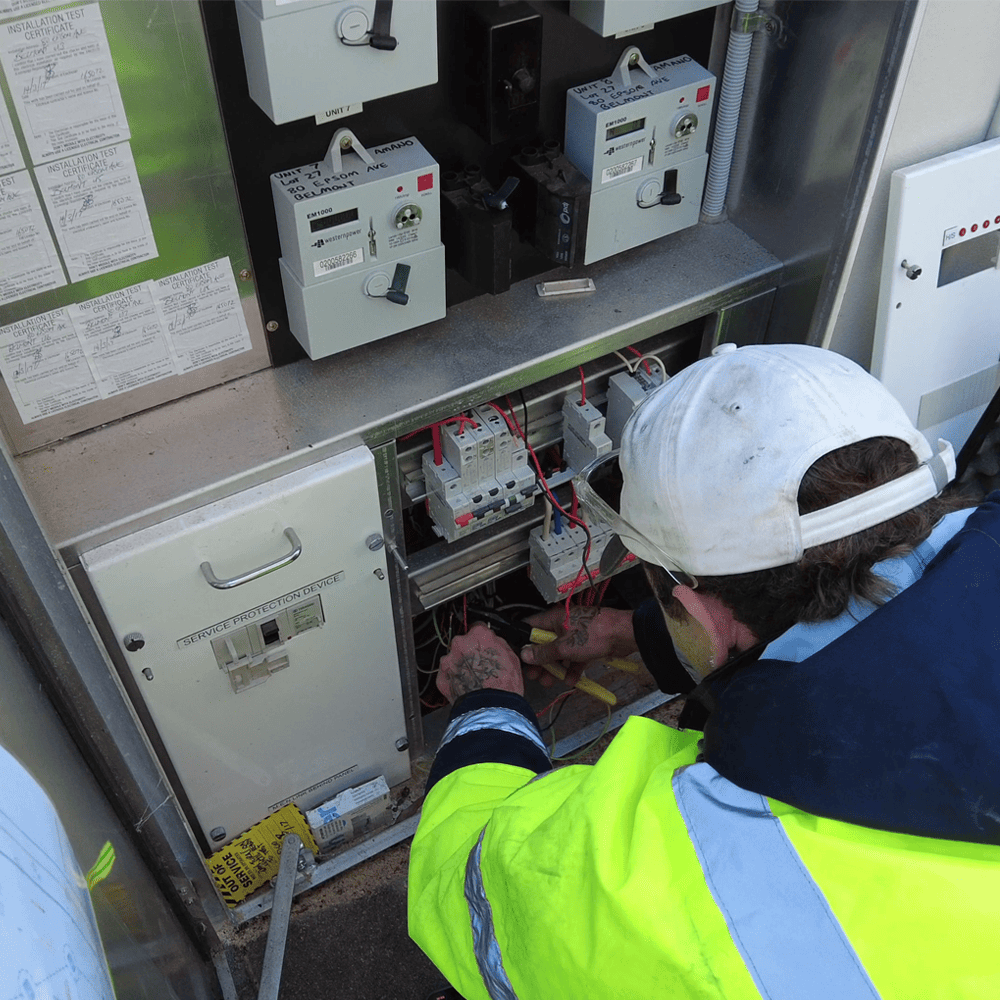
- Electricians run thermal imaging on switchboards to spot loose connections and overloaded circuits before they melt.
- Technicians manually clean lenses and reflectors with non-abrasive solutions to restore original photometric performance.
- Photo-electric cells and timers receive recalibration so exterior lights actually turn on when the sun goes down.
- Workers realign adjustable floodlights that weather events or bird activity have knocked off their intended target.
Vegetation management also forms a massive part of the job. Overgrown branches block security lights, rendering expensive fixtures entirely useless. A quick trim from the grounds team restores the intended light spill.
Managing Environmental Impact on Enclosures
Managing environmental impact involves applying protective coatings, replacing compromised seals, and clearing drainage weep holes to stop water pooling. Coastal commercial buildings cop a hammering from salt spray, accelerating metal corrosion on poles and brackets. Inland sites deal more with fine red dust that chokes the ventilation fins on high-bay fixtures. The common line in the trade is that water always finds a way in.
- Technicians inspect and clear the tiny weep holes at the bottom of housings to allow internal condensation to drain.
- They apply anti-seize compounds to stainless steel bolts to prevent galling and rusting over years of exposure.
- Workers swap out cracked silicone gaskets rather than trying to patch them with messy, temporary sealants.
- Inspectors check that conduits entering the ground remain fully sealed against subterranean moisture intrusion.
Maintenance efforts focus on giving that water a way out. Preventative routines target the weak points of ingress protection enclosures. Ignoring these steps leads directly to waterlogged drivers and short circuits. It makes no sense to install expensive arrays if the box holding them leaks.
Managing Thermal Output in High-Wattage Fittings
Managing thermal output in high-wattage fittings prevents the internal electronics from cooking themselves during extended operation. High-intensity discharge lamps and massive LED arrays generate significant heat that must escape the enclosure. A commercial electric service cleans the heat sinks and ventilation pathways to maintain safe operating temperatures. Dust acts like a heavy blanket over sensitive drivers.
- Technicians blast compressed air through the cooling fins of high-bay warehouse exterior lights.
- They check for baked-on insect debris that completely blocks the designated thermal transfer zones.
- Workers inspect the internal thermal paste to ensure it hasn’t dried into a useless powder.
- Electricians verify that nearby building modifications haven’t blocked the natural airflow around the fitting.
Thermal management extends the life of the most expensive components in the system. Ignoring this heat buildup guarantees a premature failure. The driver always dies long before the LED chip gives out under high temperatures.
Frequently Asked Questions
How Often Should Commercial Outdoor Lighting Be Inspected?
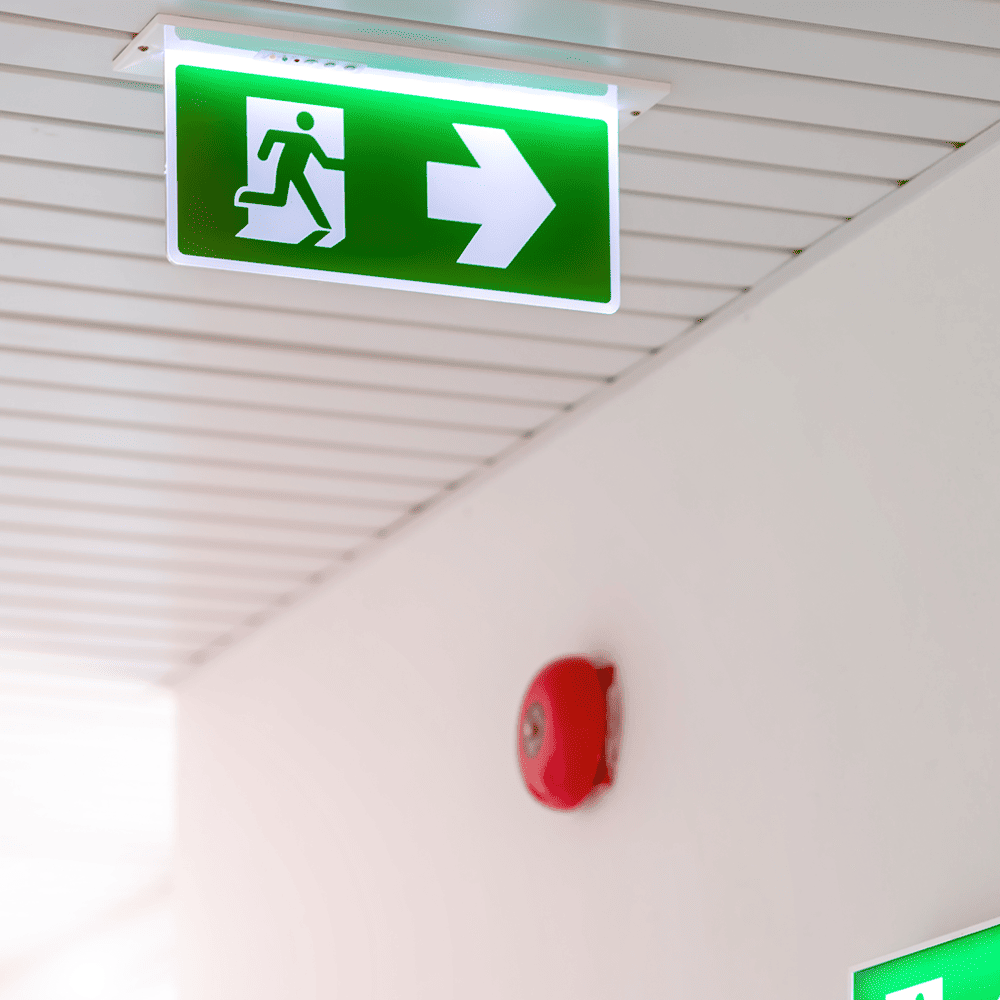
Commercial outdoor lighting requires a comprehensive visual and physical inspection every three to six months. High-traffic areas or harsh coastal environments often dictate a strict quarterly schedule to manage accelerated physical wear. Emergency lighting systems have a strict statutory requirement for discharge testing every six months.
What Causes LED Fixtures to Fail Early Outdoors?
LED fixtures typically fail early outdoors due to poor thermal management or moisture ingress damaging the internal driver. The LED chips themselves rarely blow, but the supporting electronics degrade quickly if the housing seals fail. Voltage spikes from the local electrical grid also shorten the lifespan of sensitive components.
Can Property Managers Perform Maintenance Checks Themselves?
Property managers can perform basic visual checks to identify unlit fixtures or obvious physical damage to poles. Any electrical testing, enclosure opening, or working at heights requires a licensed tradesperson. Attempting unlicensed repairs on commercial electrical systems violates workplace safety laws and voids most insurance policies.
Wrap-Up
Effective commercial outdoor lighting preventative maintenance keeps sites safe, compliant, and operational year-round. Consistent upkeep prevents minor environmental wear from escalating into expensive, reactive electrical repairs. Property owners who treat their exterior lighting as a depreciating asset rather than a permanent fixture get far better reliability.