
When it comes to recording music, the environment plays a critical role. Studios set within natural surroundings, like Fairbridge Village’s John Butler Music Studio in Pinjarra, offer unique advantages for artists looking for an immersive experience.
But are these natural settings genuinely better for recording? Let’s explore the benefits and potential drawbacks of natural-location studios for music recording.
The Appeal of a Natural Setting for Creativity
Natural environments inspire creativity. Studies have shown that exposure to nature can enhance cognitive function, reduce stress, and boost creative thinking. For musicians, being away from the distractions of the city allows for a more profound connection to their work. At studios like Fairbridge Village’s music facility, artists are surrounded by serene landscapes that can help reduce the pressure and focus more intensely on their music.
Natural locations also offer a sense of escapism, which can be beneficial during the recording process. Instead of battling the daily hustle and noise of a city, musicians at Fairbridge Village can immerse themselves fully in their art without interruption. This setting is particularly appealing to artists aiming for an authentic, introspective experience.

Enhanced Acoustics and Sound Quality
The acoustics in a studio surrounded by natural landscapes can be surprisingly advantageous. Ambient noise from nature, when properly controlled, can add a unique character to the sound. Unlike city studios that might contend with traffic and industrial sounds, rural studios provide more control over ambient noise, allowing musicians to focus on capturing high-quality sound.
At Fairbridge Village’s music studio, which is professionally designed and equipped, artists have access to high-end recording equipment and facilities while benefiting from a naturally quiet setting. This combination helps maintain sound purity, a factor that’s highly valuable for recording.
A Perfect Blend of Professional Equipment and Rustic Charm
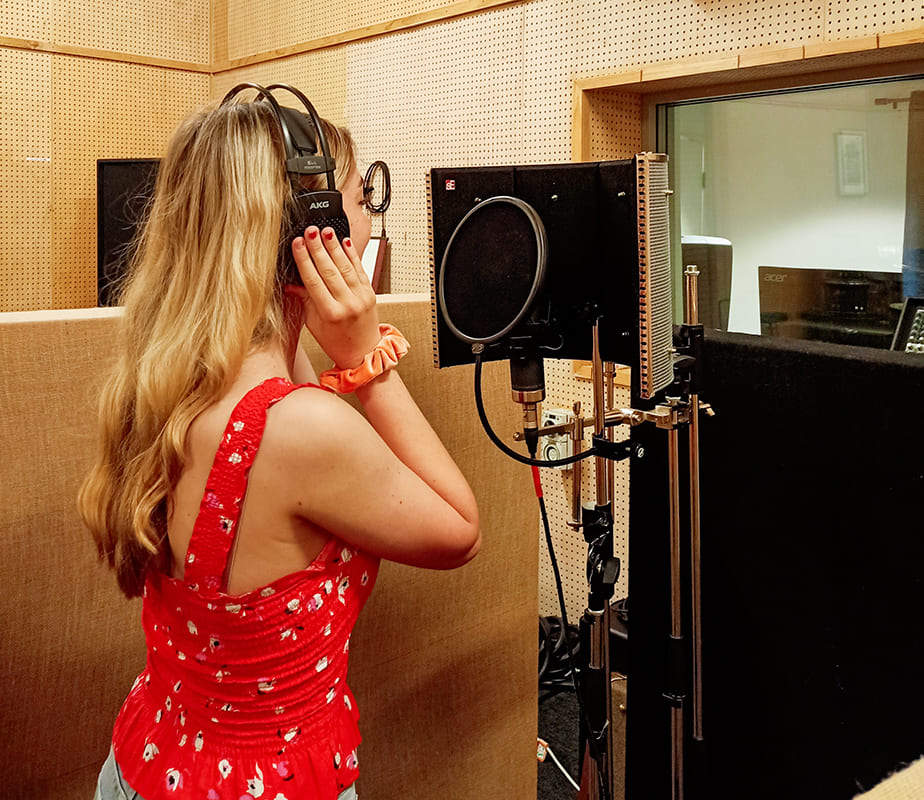
A natural setting doesn’t mean a compromise on equipment quality. Professional studios in rustic environments, such as Fairbridge’s John Butler Music Studio, often integrate top-notch technology, offering the same (if not better) recording standards found in urban studios. Fairbridge, managed by Chop Street Music Productions, provides a high-grade recording studio with ProTools 11, top-of-the-line instruments, and an engineer, ensuring that artists achieve a polished, professional sound without sacrificing the tranquil backdrop.
This balance between advanced technology and a serene environment is ideal for artists seeking a high-quality recording process. Musicians can work with skilled engineers and high-end equipment while drawing inspiration from the rustic setting.
Reduced External Pressures and Better Focus
Recording in natural locations can reduce the pressures artists may feel in city-based studios, where hourly rates and traffic noise can disrupt focus. In settings like Fairbridge Village, the tranquil environment can foster an almost retreat-like experience for musicians. This setting helps artists delve into their work without the typical pressures associated with busy urban studios, allowing for a more organic, focused recording process.
Furthermore, studios in natural locations like Fairbridge often offer flexible, extended bookings that make it easier for artists to stay immersed in their project. Musicians can dedicate a half or full day without the looming pressures of time constraints, encouraging a deeper connection to the music they’re creating.
The Community and Collaboration Benefits
Natural locations often cultivate a close-knit community vibe, fostering collaboration among musicians. Fairbridge Village, for instance, offers opportunities for artists to meet others in the same creative sphere. This interaction can spark collaboration and idea-sharing that might be harder to find in busier, more impersonal studio settings.
Artists who stay on-site can take advantage of Fairbridge’s historic cottages and function rooms, creating an immersive space to continue discussions, brainstorm, or even jam in between recording sessions. This sense of community adds value to the recording experience, allowing artists to bond over shared experiences and musical inspiration.
Potential Downsides to Consider
While natural settings offer plenty of benefits, they’re not for everyone. Some artists thrive on the energy of an urban environment and may find the isolation of a rural studio stifling. Additionally, logistical challenges like transportation, accessibility, and availability of certain amenities can be more complex in remote locations.
Natural studios may also come with limited on-site amenities compared to urban locations, potentially leading to higher costs if additional accommodation or travel arrangements are necessary. However, for artists who value tranquillity and can manage these aspects, the advantages of a rural recording studio can far outweigh the drawbacks.
Fairbridge Village: A Unique Musical Haven
Fairbridge Village’s music studio exemplifies the balance between nature and professional recording standards. Surrounded by heritage-listed buildings and tranquil landscapes, it offers a comprehensive recording experience with a difference. Musicians have access to modern facilities, skilled engineers, and a sense of seclusion that enhances the creative process.
Final Thoughts: Is a Natural Setting Right for Your Recording?
Ultimately, the choice between an urban and a natural recording setting depends on the artist’s priorities and creative style. Natural locations like Fairbridge Village’s music studio provide a refreshing alternative to city studios, ideal for those who seek tranquillity, focus, and a deep connection with their music.