Commercial plant equipment cops a hammering over the years. Business owners eventually face major HVAC upgrades when old machinery gives up the ghost. Upgrading heavy equipment rarely works as a standalone fix. The brains behind the operation need to match the new hardware.
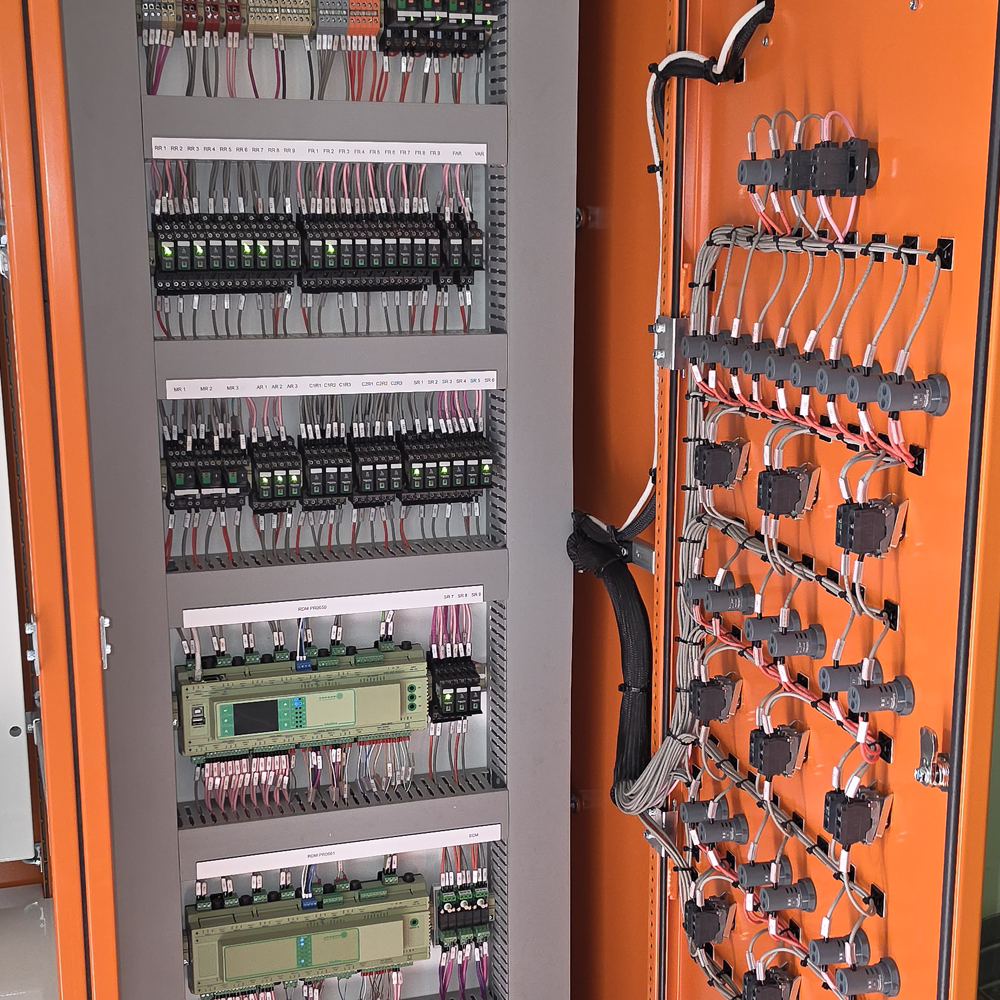
Resource Data Management (RDM) Direct Digital Control (DDC) functions as the central nervous system for mechanical equipment, reading sensor data to send automated operational commands.
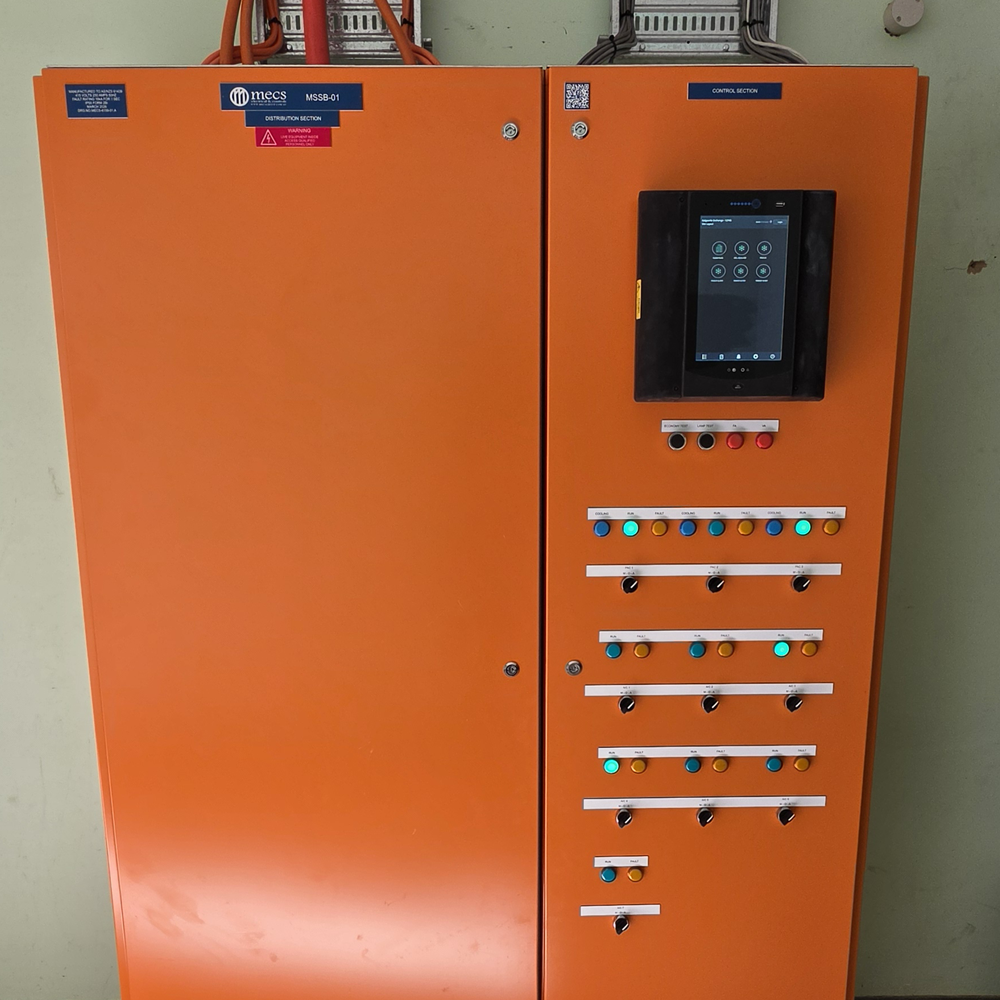
- The main controllers sit in the switchboard to handle heavy plant items like chillers.
- Field controllers distribute out to specific zones to monitor local office temperatures.
- Expansion modules clip onto main boards when a site adds more sensor points.
- Touchscreen interfaces mount on panel doors for local diagnostic checks without a laptop.
Modern controllers handle thousands of data points every second. They regulate fan speeds and track air pressure across large commercial floors. The hardware provides precise technical command over heavy cooling infrastructure. The trade treats these digital systems as the true engine of any property.
Why Legacy Controls Complicate New Installs
Legacy control systems struggle to communicate with new machinery because older hardware relies on outdated and incompatible analogue communication protocols.
An older site might still run on basic pneumatic lines or simple electrical relays. New cooling units expect to communicate via modern digital networks instead. The mismatch usually forces a complete hardware swap. There’s no point throwing money at a brand-new chiller if it can’t modulate properly.
Some businesses try saving cash by keeping old controllers with interface gateways. This rarely yields a good result over the long haul. Gateways introduce lag and often drop data packets randomly. When a compressor faults out due to a delayed command, problems escalate quickly.
Integrating RDM During Major Overhauls
Integrating RDM DDC controls gives technicians precise command over heavy equipment to keep temperature regulation consistent across an occupied building.
- Technicians rip out old relay logic boards from the electrical switchboards entirely.
- Network switches go in to link the RDM hardware safely to local networks.
- Programmers write custom control logic to match the new mechanical plant operation.
- Commissioning teams verify that every valve physically moves when the software commands it.
Getting the new gear talking to the existing plant takes serious coordination. Proper integration requires mapping out every single data point early. The team creates detailed points lists before the tools even come out. It’s a painstaking process that leaves absolutely no room for guesswork.
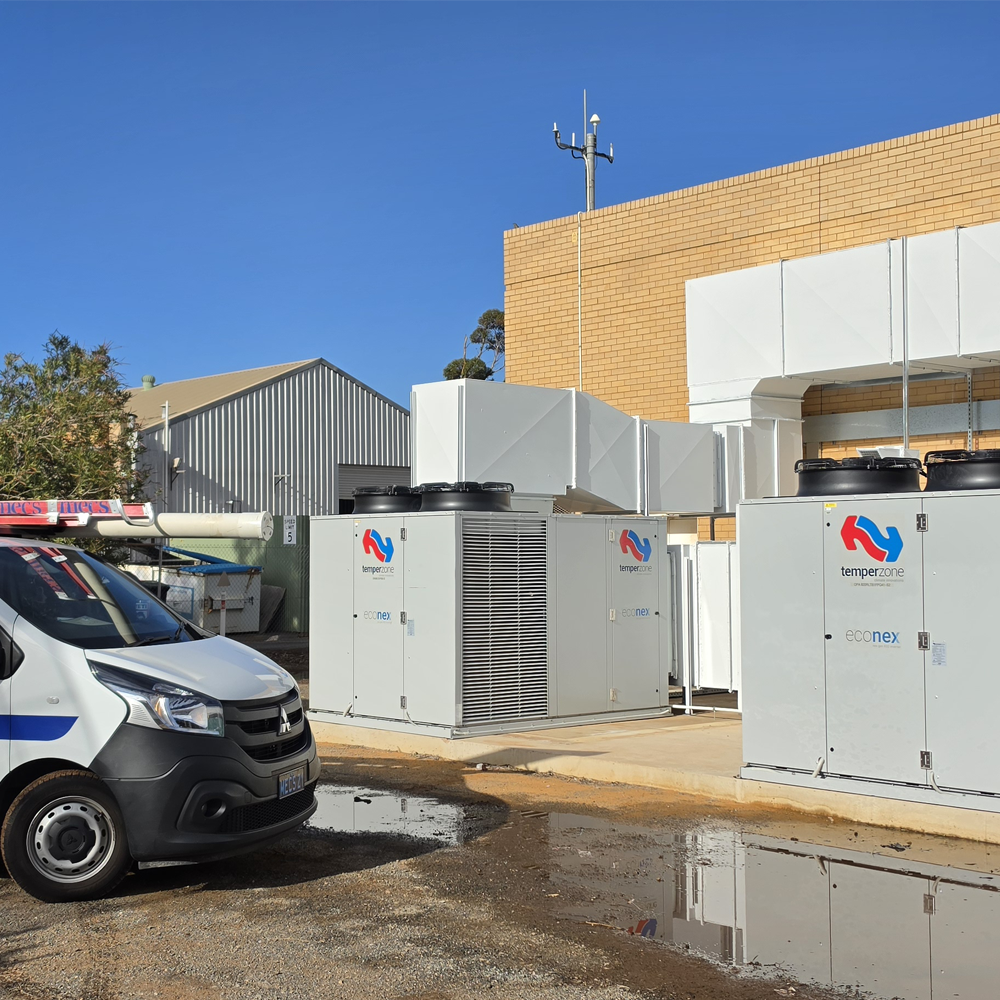
Precision during the rough-in stage prevents major headaches during final commissioning. The Kalgoorlie site required the crew to ensure the hardware communicated properly with the broader network. Similar exactness applies to any major Australian business upgrade.
The Role of Field Devices in Commercial Zones
Field devices act as the sensory organs for the RDM system, feeding constant physical data back to the main plant controllers.
The main controllers sit in the switchboard to handle heavy plant items. Faster data transfer means quicker physical responses to sudden temperature spikes. The hardware reacts to heat loads changing as staff fill up a boardroom. The field crew pulls new shielded cables out to the remote temperature sensors.
This guarantees the RDM hardware receives clean data at all times. If a sensor sends a corrupted signal, the central controller makes poor decisions. It might force an air handler to run at maximum capacity all weekend unnecessarily. Good cabling prevents these expensive mechanical misunderstandings.
Managing Installation Downtime in Occupied Sites
Managing downtime involves scheduling the cut-over in tight stages to keep existing cooling systems running while bringing new equipment online safely.
- Crews upgrade specific plant controls during quiet off-peak weekend maintenance windows.
- Temporary controls sometimes get rigged up to maintain critical zone temperatures manually.
- Technicians rip out redundant cabling only after the new network goes live safely.
Commercial sites can’t simply turn off the air conditioning for a week. The changeover always happens in heavily segmented sections to protect trading hours. Field experience shows that staging the job this way prevents massive operational disruptions.
It requires tight coordination between the mechanical plumbers, electricians, and controls technicians. A single misstep causes entire floors to overheat and sends office workers home early.
Meeting Strict Building Compliance Standards
Upgrading to modern digital controls directly impacts building compliance by providing the automated historical logged data required to meet strict Australian energy standards.
Commercial buildings face tight regulations regarding indoor air quality and general energy consumption. A modern DDC setup logs cooling tower temperatures and fan run times automatically. Having this data on hand keeps the site compliant without relying on manual clipboard checks.
An intelligent RDM setup fine-tunes temperature setpoints to slash energy waste. This data-heavy approach makes future compliance assessments much smoother. Automated reports prove the site maintains safe operating temperatures around the clock.
Frequently Asked Questions
Do Old Cooling Units Work with New RDM Hardware?
Old cooling units operate with new RDM hardware if technicians use hardwired relay connections. The controller sends basic start and stop signals to the legacy equipment. It won’t extract advanced diagnostic data over a simple network cable. It merely keeps the old plant running on basic commands.
How Long Does a Full Controls Replacement Take?
A complete controls replacement on a large site easily takes several months. Tradesmen complete the physical wiring in tight stages to minimise disruption to the commercial tenants. Final software commissioning takes an additional few weeks to tune the system. This ensures the temperature loops run with high precision.
Does Upgrading the DDC System Reduce Energy Waste?
Installing a modern DDC system directly reduces energy waste by tightening temperature deadbands. The system schedules equipment to run only when required. Assessors look favourably on buildings that use precise digital tracking. It helps businesses manage their overall energy footprint effectively.
Key Takeaways
Swapping out outdated mechanical plant forms only half the battle for Australian businesses. Modernising the brains of the operation with RDM DDC hardware ensures the new heavy machinery runs as intended. It eliminates the communication bottlenecks that plague legacy systems. A proper controls upgrade creates a resilient facility that hits strict infrastructure targets consistently.