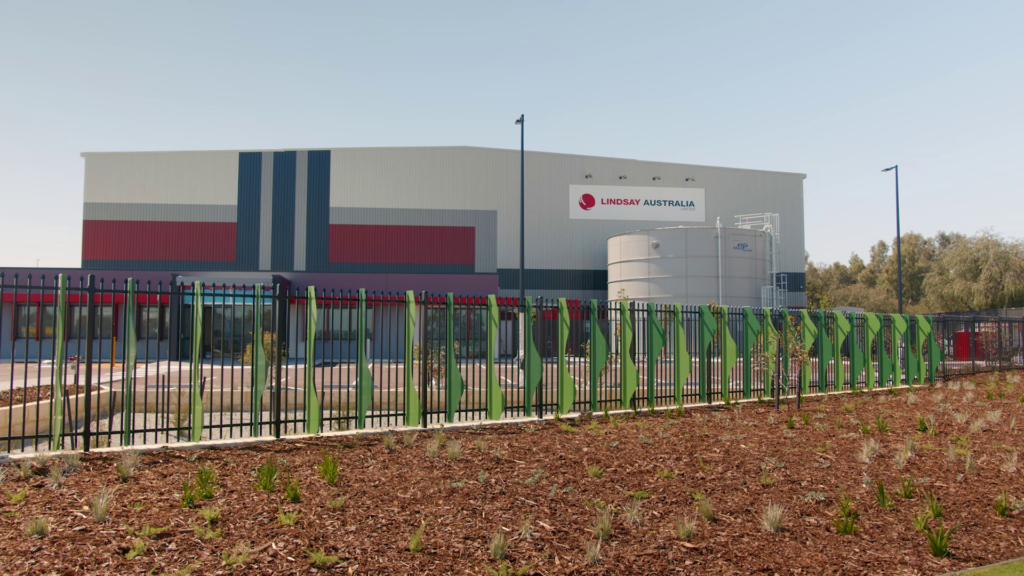
Most operators reckon the real work happens in the mud of an active building site. Field experience shows a completely different reality for large-scale electrical infrastructure installation projects.
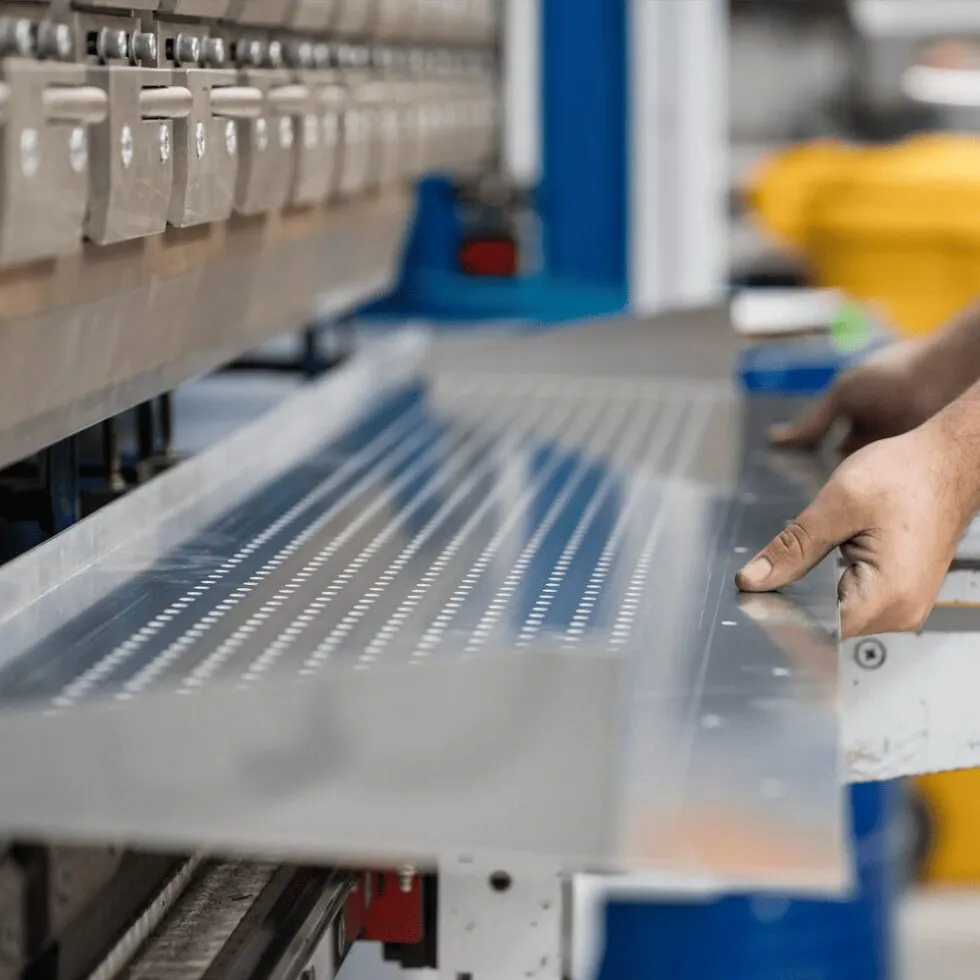
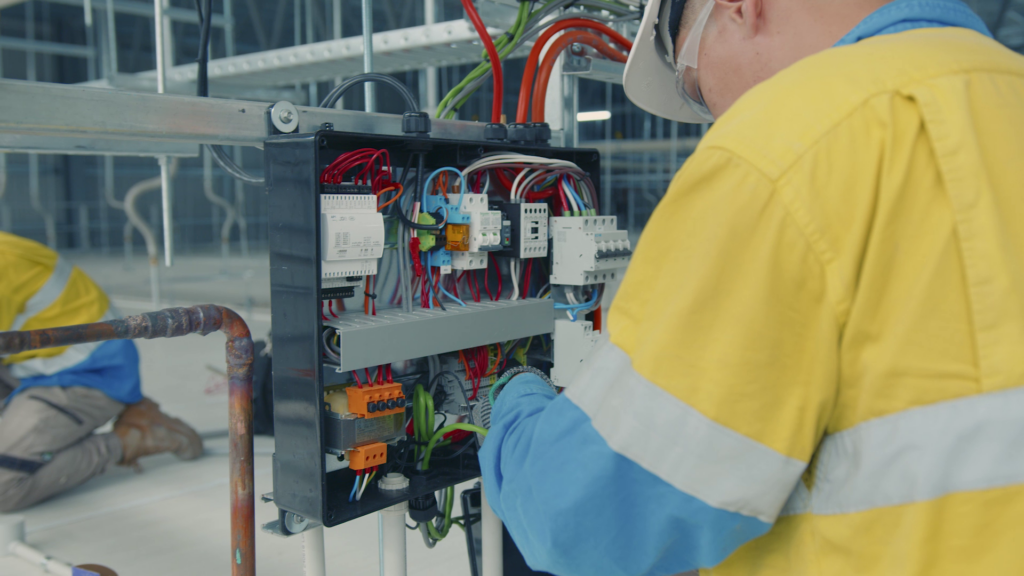
Pre-fabrication simply means constructing, wiring, and testing complex control panels at a dedicated facility before shipping them fully formed to the site. This off-site industrial switchboard assembly completely changes project timelines.
Why Does Factory Assembly Yield Better Quality Control?
Factory assembly provides superior quality control because technicians operate in a stable, well-lit environment without the typical disruptions of an active construction site. Off-site facilities allow for rigorous standardisation across the board.
- Standardised tools and heavy-duty lifting equipment are permanently set up at each workstation.
- Lighting levels sit consistently at 500 lux or higher for detailed terminal work.
- Supervision is highly concentrated for immediate sign-offs on AS/NZS 61439 compliance requirements.
- Components stay completely protected from moisture and airborne contaminants.
How Does Off-Site Work Impact Site Schedules?
Building hardware off-site slashes project timelines by allowing the electrical build to run concurrently with early civil and structural construction phases. This parallel workflow prevents the dreaded end-of-project bottleneck.
- Electrical teams aren’t waiting for civil contractors to clear out of the plant room.
- Factory work isn’t affected by rain days or site-wide safety stand-downs.
- Cabling pathways can be pre-cut and drilled immediately inside the enclosure.
- Site installation times drop from several weeks to just a few days.
What Role Does Environmental Control Play?
Environmental control prevents premature failure of sensitive electronic gear like variable speed drives and refrigeration controllers by eliminating exposure to construction dust. Heavy industrial cooling applications require massive motor control centres. These sensitive units are highly vulnerable before they are sealed and commissioned. Building them in a dusty temporary shed just asks for serious trouble.
Moisture is the silent killer for new switchboards. Even a small amount of condensation during the build phase can degrade the insulation resistance of internal wiring. Factory environments manage ambient temperature and humidity strictly. The heavy copper busbars stay completely pristine throughout the assembly.
Can Factory Testing Prevent Commissioning Delays?
Comprehensive factory acceptance testing prevents commissioning delays by catching wiring faults and logic errors before the equipment is ever transported to the site. Testing off-site allows for full simulated loads on the equipment.
- Programmable logic controllers are powered up and run through their full operational sequences.
- Thermal imaging cameras check for hot spots on busbar joints under high-current loads.
- Insulation resistance tests verify that all phase boundaries meet AS/NZS 3000 compliance categories.
- Safety interlocks and emergency stop circuits are triggered repeatedly to verify fail-safes.
How Do Logistics Shift with Pre-Assembled Units?
Logistics shift from managing hundreds of small parts to coordinating the safe transport and lifting of a few large, complete modules. Instead of tracking thousands of individual breakers and empty enclosures, project managers only track the finished switchboards. This drastically simplifies the supply chain.
Freight handling becomes a serious logistical consideration. A fully assembled motor control centre is incredibly heavy and somewhat fragile. It requires specialised transport solutions equipped with air-ride suspension. It can’t just be strapped to the back of a standard flatbed and bounced down the highway.
Why Are Site Labour Costs So Heavily Reduced?
Site labour costs plummet because factory panel assembly is significantly faster and requires fewer workers than a busy construction site. Efficiency in a workshop setting naturally outpaces field assembly.
- Technicians repeat standard build tasks rapidly without changing physical locations.
- Workshop rates are generally more predictable than volatile site allowances.
- Inclement weather doesn’t trigger expensive non-productive down time.
- Materials are stored directly adjacent to the build area on shelving.
Are Future Upgrades Easier with Factory Builds?
Future upgrades are easier because factory-built boards feature meticulous as-built documentation and cleanly routed wiring that makes modifications straightforward. When a large board is built under immense pressure on-site, internal cable management often gets sloppy. Factory builds prioritise neatness and precise wire labelling from day one.
This clear documentation is vital for maintenance teams conducting repairs years later. A sudden breakdown in a large freezer room needs an immediate, accurate fix. If the panel is a tangled mess of poorly labelled wires, the repair takes twice as long. Factory assembly ensures every single internal wire matches the final schematic perfectly.
Frequently Asked Questions
Why Is Off-Site Assembly Better For Cold Storage Projects?
Cold storage projects require massive refrigeration plants driven by complex motor control centres that are highly sensitive to moisture. Building these units off-site keeps the internal components completely dry and free from construction dust. It guarantees the control logic operates flawlessly when the huge compressors are finally switched on.
Does Pre-Fabrication Cost More Upfront?
The initial quotation for a factory-built switchboard might look higher than a simple loose materials list. The real project savings appear when site labour hours, reduced delay penalties, and lowered material wastage are accurately factored in. The total installed cost is almost always lower for the client.
How Do Transport Limits Affect Panel Sizes?
Road transport regulations strictly dictate the maximum dimensions a single switchboard module can be for standard highway freight. Extremely large panels are often designed and built in modular shipping splits. These sections are wired with heavy-duty pluggable connectors in the factory, allowing them to be bolted back together quickly.
Key Takeaways
Shifting electrical assembly away from the dirt and chaos of a live construction site is just plain common sense. It lets the technical teams focus purely on the build quality without dodging other trades or fighting the weather. The heavy gear arrives tested, certified, and ready to be bolted straight down.