The baseline for fire safety compliance in WA is AS1851. It’s the Australian Standard dictating the routine service of fire protection systems and equipment. Most operators reckon the baseline requirements are clear enough.
The actual headache’s keeping contractors aligned without disrupting normal site operations. Facility managers can’t just throw dates on a calendar and hope for the best. Poor scheduling leads to overlapping trades and blown maintenance budgets.
What Drives the Baseline Monthly Testing Schedule
The monthly testing schedule is driven by statutory requirements for specific fire system components that degrade quickly. Items like emergency luminaires and fire indicator panels need constant verification to ensure operational readiness.
- Fire extinguisher pressure checks and visual damage inspections are non-negotiable monthly items.
- Sprinkler system pressure gauges require monthly readings to spot slow leaks early.
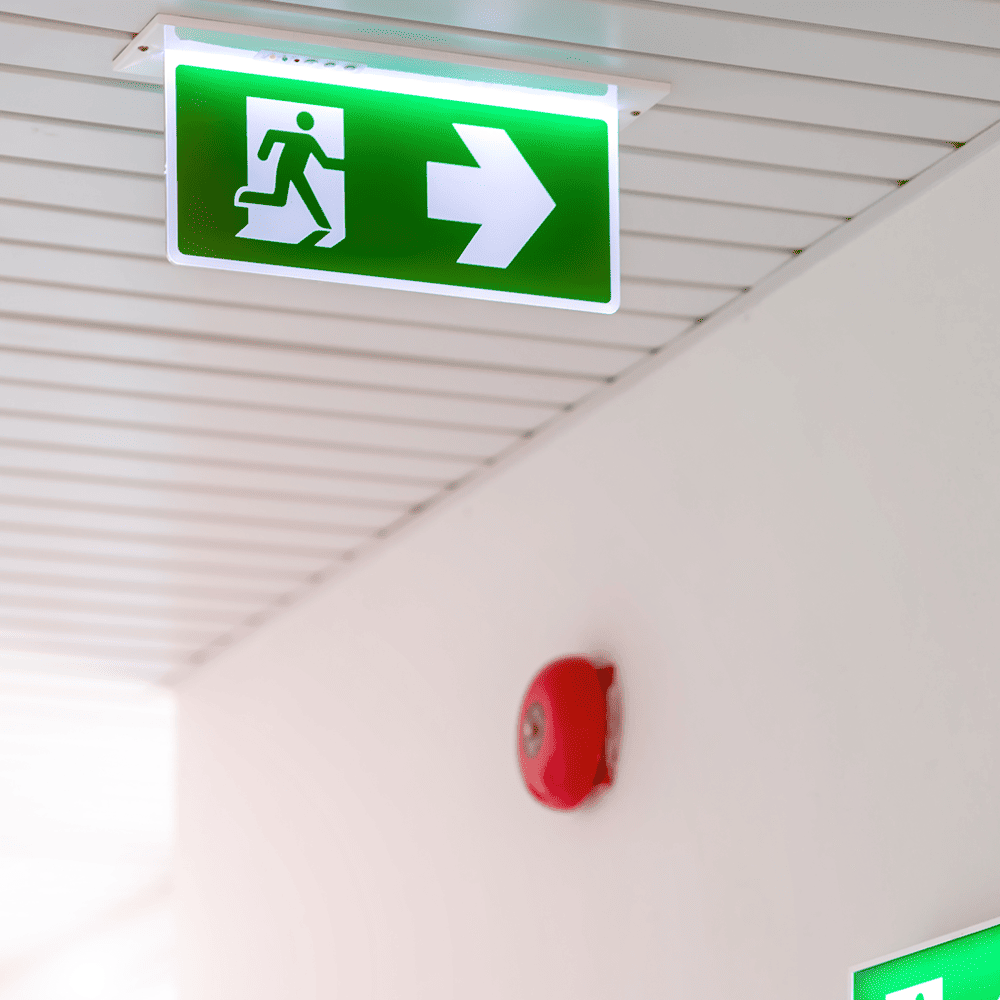
- Emergency lighting circuits must undergo a 90-minute discharge test to verify battery health.
- Fire indicator panels need fault light checks and battery terminal inspections every 30 days.
Why Annual Fire Safety Audits Require Staggered Planning
Annual audits require staggered planning because testing complex mechanical systems creates unavoidable site downtime. Completing all yearly fire safety compliance in WA requirements simultaneously would force total building shutdowns.
- HVAC shutdown testing for fire dampers needs scheduling during mild weather.
- Full-flow hydrant tests drop site water pressure and should occur after hours.
- Fire door clearance checks require unhindered access to every floor.
- Gaseous suppression system tests in server rooms demand deep coordination with IT teams.
How to Manage Contractor Overlap During Peak Periods
Facility managers manage contractor overlap by assigning specific access windows and isolating trade zones. This stops electrical contractors and mechanical fitters from tripping over each other in cramped plant rooms.
- Implement a digital sign-in board that tracks real-time contractor locations.
- Schedule noisy fire alarm testing for early mornings before tenant arrival.
- Assign dedicated goods lift access to specific trades during major equipment replacements.
- Hold weekly toolbox talks to align the maintenance schedule across different vendors.
What Happens When Maintenance Documentation Falls Behind
Falling behind on maintenance documentation instantly voids a building’s compliance status and exposes owners to heavy fines. Missing logbook entries mean the required testing legally didn’t happen.
Inspectors won’t accept verbal confirmation that a test occurred. Paperwork is the only language the authorities speak. Some managers let service dockets pile up on a desk for weeks. That’s a massive risk if a fire event actually happens.
Insurance assessors will rip through an incomplete logbook and potentially deny claims. Modern sites use cloud-based asset management systems to track everything. A technician logs a completed test via a tablet right at the fire panel.
The data syncs instantly, keeping the facility manager completely informed. It removes the risk of lost paperwork or illegible handwriting. When the annual audit rolls around, the reports generate in seconds. Paperless systems are the standard on well-run sites these days.
How Environmental Factors Alter Inspection Timelines
Environmental factors alter inspection timelines by accelerating the degradation of exterior fire safety equipment. High humidity and coastal salt spray force managers to schedule certain checks more frequently.
Equipment sitting out in the weather will cop a hammering over a year. A fire hydrant valve near the ocean might seize up in just six months. The baseline AS1851 intervals are absolute minimums, not a hard ceiling. Good site operators adjust their calendars based on real-world wear and tear.
They won’t just blindly follow the book if rust is visibly eating a pipe. Dusty industrial sites face similar environmental headaches. Smoke detectors in warehouses can clog up with airborne particles rapidly. They might need a clean out every quarter instead of annually.
Where Emergency Repair Work Fits in the Calendar
Emergency repair work fits in the calendar through dedicated buffer days built into the monthly schedule. Managers leave empty slots in the roster to handle immediate defect rectifications without derailing routine testing.
When a technician finds a busted fire damper, it needs fixing fast. If the schedule is packed tight, the repair gets pushed back. That leaves the building non-compliant for longer than necessary. Building in a 10 percent buffer time solves this issue.
It’s just common sense to expect the unexpected. Components fail, batteries die prematurely, and water pumps spring leaks. Most operators reckon a rigid schedule is a recipe for disaster.
Frequently Asked Questions
What Happens if a Monthly Inspection Is Missed?
Missing a monthly inspection breaks the site’s continuous compliance record. The facility manager must arrange a catch-up inspection immediately. Repeated failures to test equipment on time can result in heavy fines. It also risks voiding the building’s insurance policy.
Who Is Legally Responsible for Scheduling Fire Safety Tests?
The building owner holds the ultimate legal responsibility. However, they usually delegate the day-to-day scheduling to a facility manager. This delegation doesn’t remove the owner’s liability if things go wrong. Both parties must ensure competent contractors perform the work.
Can a Facility Manager Perform the Monthly Checks?
A facility manager can perform very basic visual checks. Any test requiring physical interaction with the system needs a trained technician. Australian standards require competent persons to sign off on logbooks. It isn’t worth the risk of doing it in-house without qualifications.
Wrap-Up
The final takeaway for facility managers is that proactive scheduling directly prevents expensive emergency repairs and compliance failures. Staying ahead of the maintenance calendar keeps sites safe and functional.
No site operates perfectly all year round. Parts fail, weather causes damage, and contractors get delayed. But a solid baseline schedule absorbs these bumps easily. Managers who treat compliance as a fluid, ongoing process always perform better.