Commercial cooling units run non-stop under intense thermal loads. This continuous operation stresses mechanical parts over time. A key term in the trade is the refrigeration cycle. This simply means the continuous mechanical process of absorbing heat and rejecting it outside.
When components in that cycle degrade, efficiency drops sharply. Many facility managers reckon that skipping a scheduled check saves money today. Experience proves that deferred maintenance inevitably leads to expensive emergency repairs tomorrow.
Finding a reliable refrigeration mechanic in Perth before a system fails entirely is just good business sense.
The Hidden Financial Impact of Ignored Servicing
Skipping routine maintenance creates compounding financial losses through increased energy consumption and premature component failure. A dirty condenser coil forces the compressor to work harder to reject heat. This directly spikes electrical draw on the building.
- Unplanned mechanical failures halt daily business operations instantly.
- Emergency call-out rates cost significantly more than standard service visits.
- Straining compressors draw excess amperage and inflate monthly power bills.
- Replacing spoiled stock often outweighs the price of an annual inspection.
- Warranties generally require proof of ongoing professional maintenance for valid claims.
Managing Thermal Stress in the West
Local climate conditions directly dictate how hard commercial cooling systems must work to maintain setpoints. Perth experiences long stretches of extreme heat that punish rooftop and external plant equipment. A system designed for mild conditions will struggle here.
- High ambient temperatures reduce the natural heat rejection capacity of condenser coils.
- Dust and sand from coastal winds clog external fins incredibly fast.
- Humidity spikes cause excessive evaporator icing if defrost cycles aren’t calibrated.
- UV exposure degrades external pipe insulation and wire sheathing rapidly.
What Happens During a Trade Service Visit
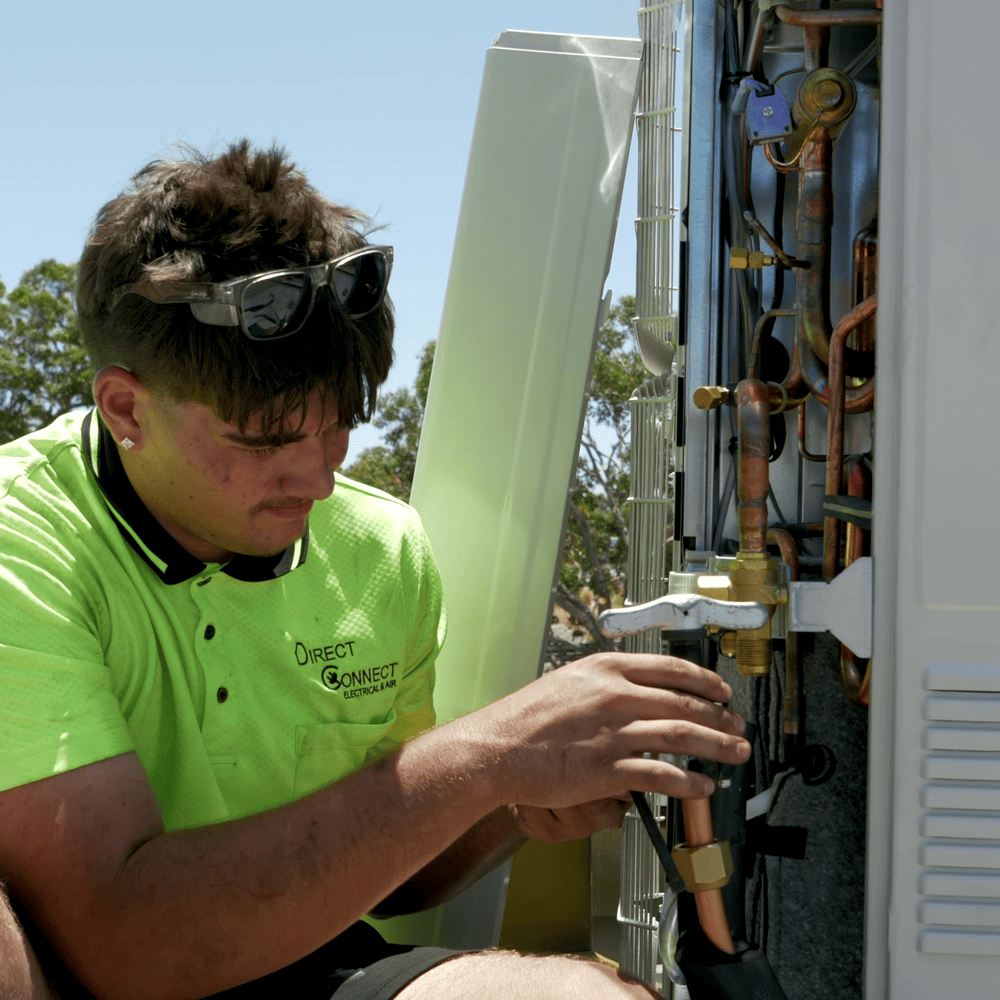
A comprehensive service visit involves measuring operational pressures, verifying electrical health, and physically cleaning heat exchange surfaces. Technicians don’t just look at the boxes and sign a logbook. They actively test safety controls and record vital performance metrics.
- Cleaning condenser and evaporator coils restores designed airflow rates heavily.
- Testing compressor amp draw against manufacturer specifications.
- Verifying refrigerant charge by calculating superheat and subcooling.
- Clearing drain lines to prevent internal water leaks and bacterial growth.
- Tightening electrical connections stops arcing and contactor failure.
Meeting Compliance and Safety Regulations
Adhering to Australian standards for commercial refrigeration ensures legal compliance and protects workplace safety. The industry operates under strict environmental regulations regarding synthetic greenhouse gases. Handling these substances requires specific licensing and detailed record-keeping.
- Operators must report any significant refrigerant loss to environmental authorities.
- Safety standards require functional high-pressure cut-out switches on commercial setups.
- Food safety regulations mandate accurate and consistent storage temperatures.
- Electrical safety checks prevent workplace shock hazards from degraded wiring.
The Mechanics of Component Degradation
Parts wear out predictably when exposed to constant friction, vibration, and thermal expansion. Bearings in fan motors dry out over years of continuous spinning.
This increases mechanical resistance and eventually causes the motor windings to burn out.
Contactors that cycle power to the compressor degrade with every single click. The electrical contacts become pitted and can fuse together. When contactors fail in a closed position, the compressor runs endlessly until it dies.
The Role of Condenser Fan Motors
Proper heat rejection relies entirely on the functional speed of the condenser fan motors. These motors push ambient air through the hot coils to cool the high-pressure refrigerant gas. When a fan motor starts dropping RPMs, the system loses its ability to shed heat.
- Slow motors cause the refrigerant head pressure to skyrocket dangerously fast.
- Bearings within the motor housing dry out and seize without proper lubrication.
- Worn fan blades vibrate excessively and tear the motor mounts apart.
- High pressure trips the safety switches and shuts the entire unit down.
Filter Dryers and Moisture Control
Keeping the internal refrigeration circuit perfectly dry ensures a long operational lifespan. The liquid line filter dryer captures stray moisture and tiny metallic debris circulating in the pipework. This small cylindrical component acts as the kidney of the entire cooling plant.
- Moisture inside the piping freezes at the expansion valve and blocks gas flow.
- Saturated dryers stop filtering debris, which then clogs vital metering devices.
- Acid forms quickly when stray water interacts with modern synthetic compressor oils.
- Technicians must replace the filter dryer every single time the system is opened.
Frequently Asked Questions
How Often Should Commercial Refrigerators Be Serviced?
Commercial units require professional servicing at least twice a year to maintain optimal efficiency. High-demand environments like busy restaurant kitchens often need quarterly inspections to prevent breakdowns. Establishing a regular schedule depends entirely on the specific workload and ambient operating conditions.
What Are the Signs A Fridge Needs Immediate Attention?
Loud mechanical rattling, puddles of water under the cabinet, and fluctuating internal temperatures demand urgent professional inspection. A sudden spike in monthly electricity costs often indicates the compressor is overworking to maintain setpoints. Ignoring these clear warning signs usually results in total system failure and expensive lost stock.
Can Staff Perform Any Basic Maintenance Tasks?
On-site staff can safely wash down external door seals and ensure nothing blocks the internal air vents. Wiping away daily grime prevents sticky seals from tearing when doors open. All electrical testing, gas handling, and mechanical adjustments must remain with a qualified technician.
Wrap-Up
Consistent maintenance directly protects the massive capital invested in commercial cooling equipment. It transforms unpredictable breakdown emergencies into manageable, scheduled operational expenses. Well-maintained gear simply runs colder, draws less power, and lasts years longer than neglected plant.