On commercial plant upgrades, the switchboard is the least glamorous line on the scope. It also decides whether everything else runs to program.
Chillers and new DDC panels tend to get the attention. The board often gets a single line item and only gets looked at once the plant’s already on order.
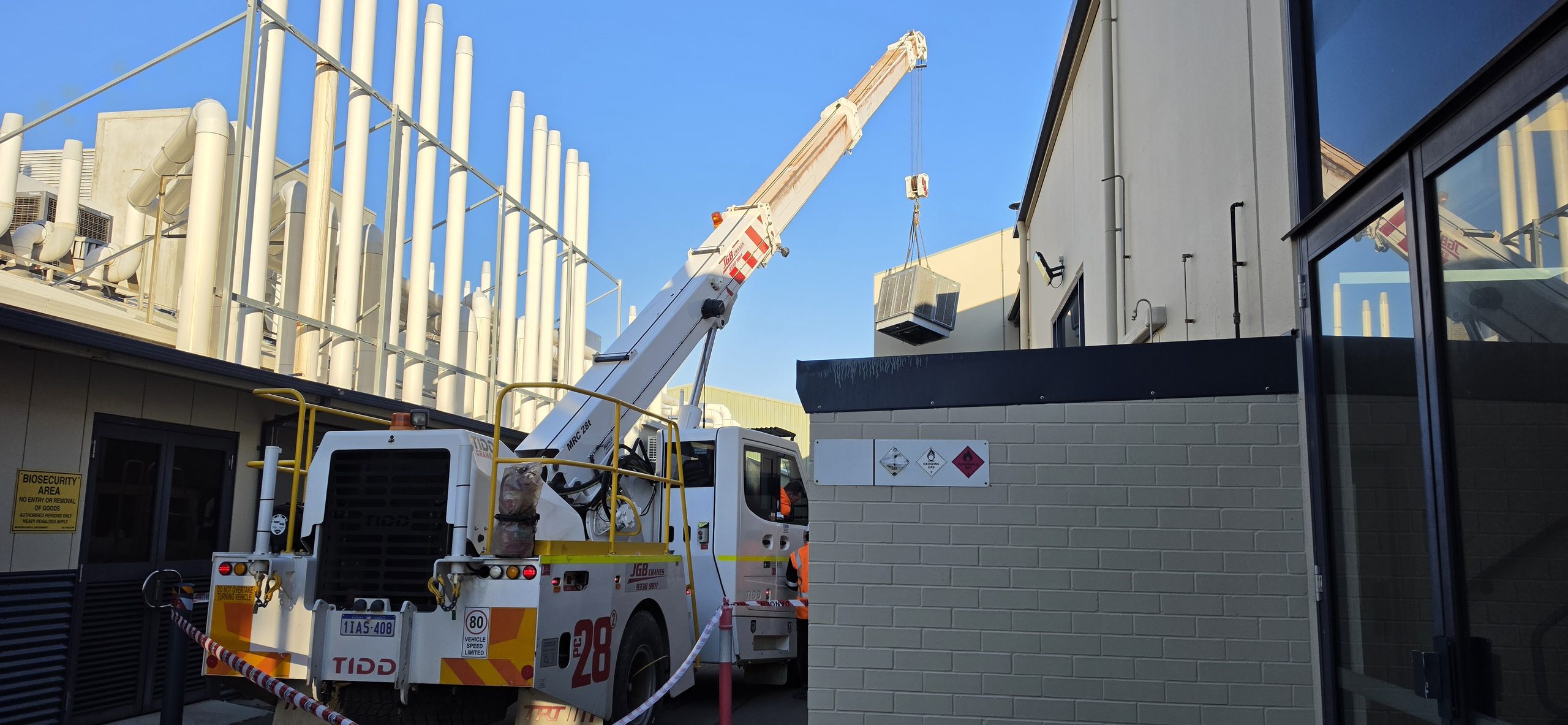
On a mechanical electrical and controls replacement, that order of work causes trouble. New plant can arrive before there’s a compliant circuit to connect it to, and it sits on the slab until there is.
The common line in the trade is simple. The board feeds the major plant on the job, so it gets sorted before cable sizes are locked in. That makes a strong case for treating the board as stage one of any mechanical electrical and controls job.
What’s a Mechanical Services Switchboard?
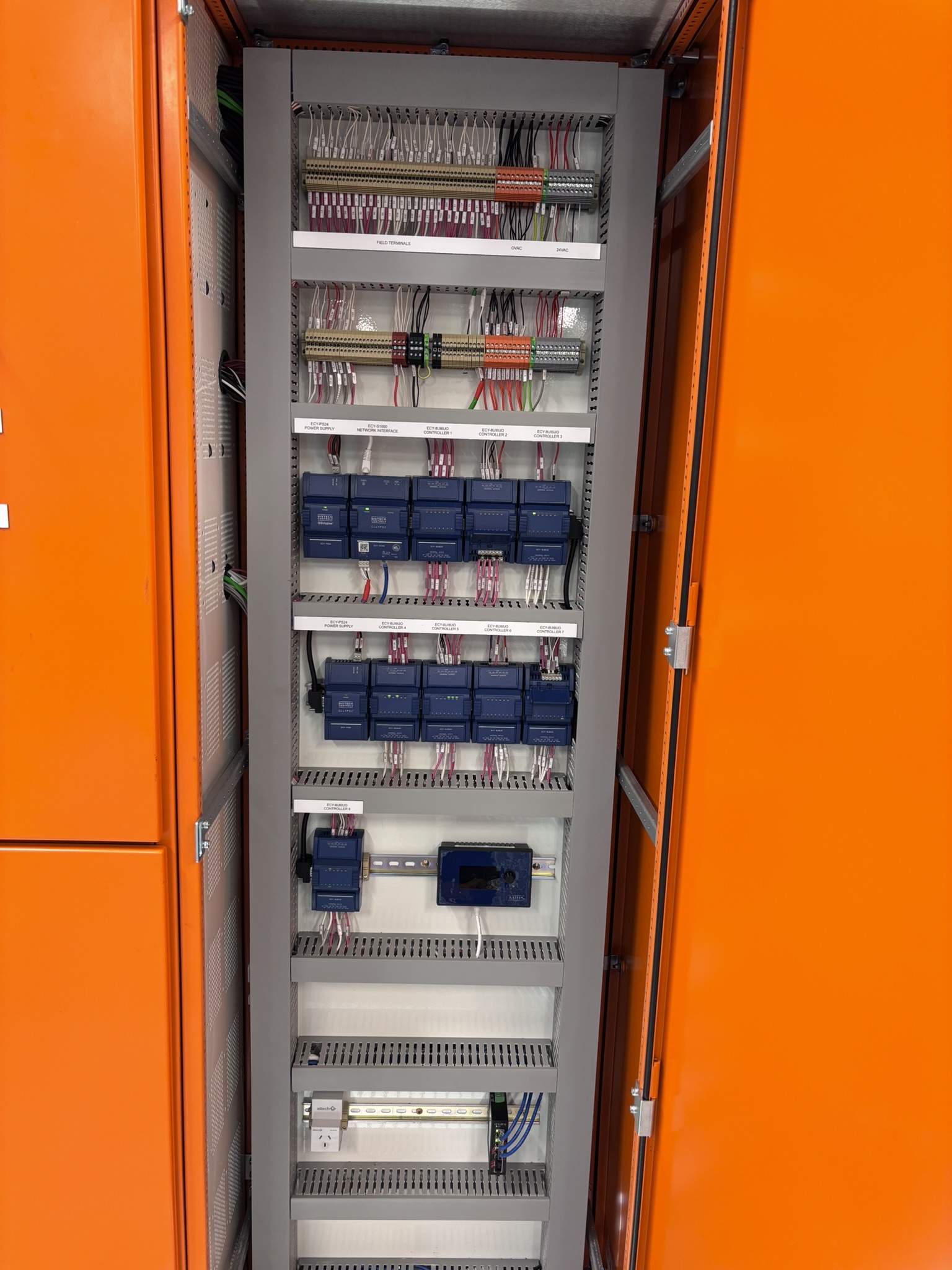
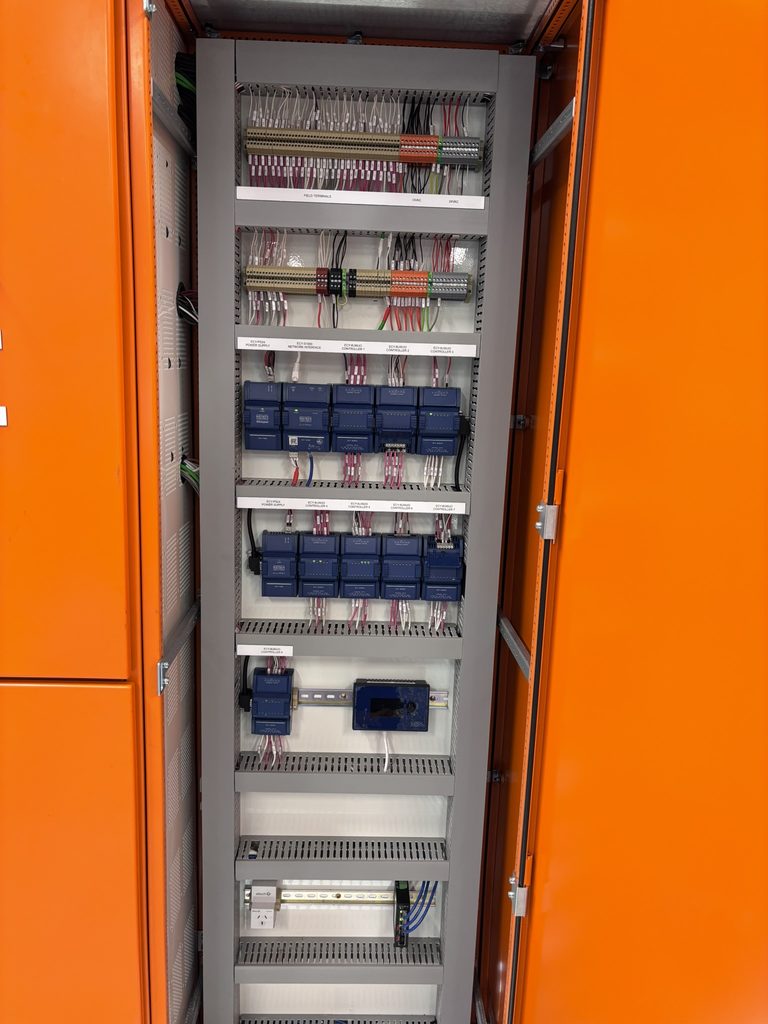
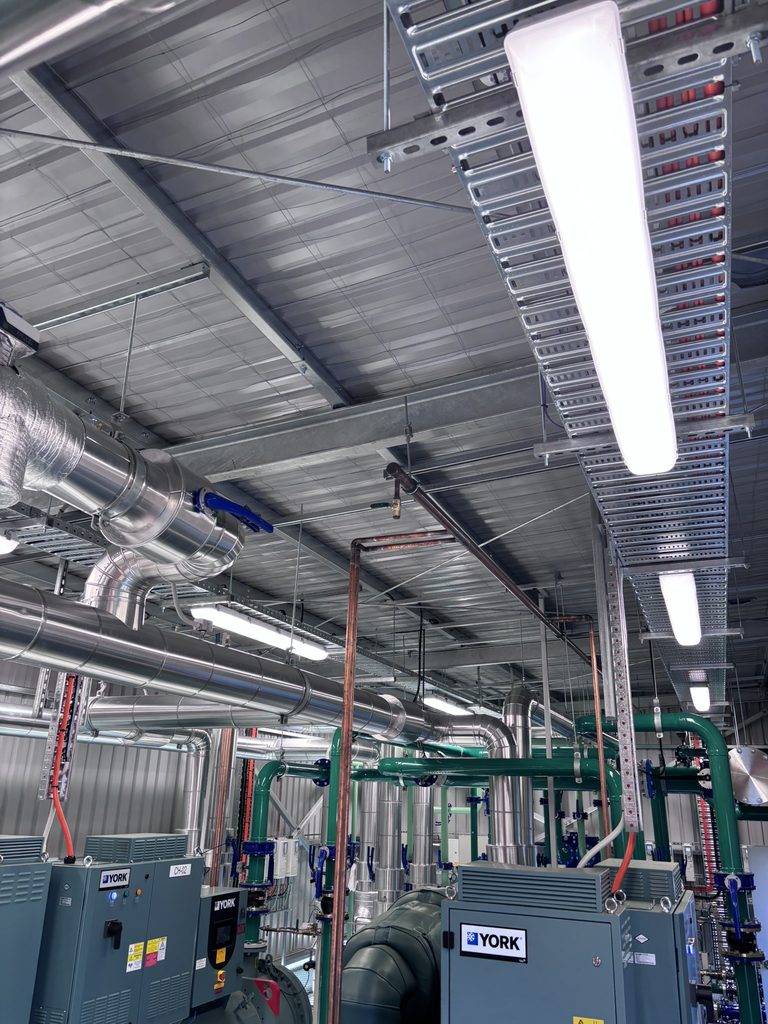
A mechanical services switchboard (MSSB) is the dedicated distribution board that supplies a building’s HVAC plant and the controls that run it. On a typical central plant, that means chillers, cooling towers, pumps, air handling units and the DDC panels coordinating them.
It usually sits downstream of the main switchboard. Inside, it holds the main isolator, circuit breakers, motor starter or VSD feeds, metering and often a fire mode interface for smoke control.
Under the current Wiring Rules, larger switchboards need verified compliance with a recognised assembly standard. The trigger is a rating of 125 A per phase or more, or a fault level of 10 kA or more. For new boards, that means the AS/NZS 61439 series, since AS/NZS 3439 has been superseded. A board feeding large chillers is likely to exceed the trigger.
On most central plant jobs, the major plant and its controls are fed from this board. Smaller items like split systems often run off local distribution boards instead.
Why Does the Switchboard Have to Come First?
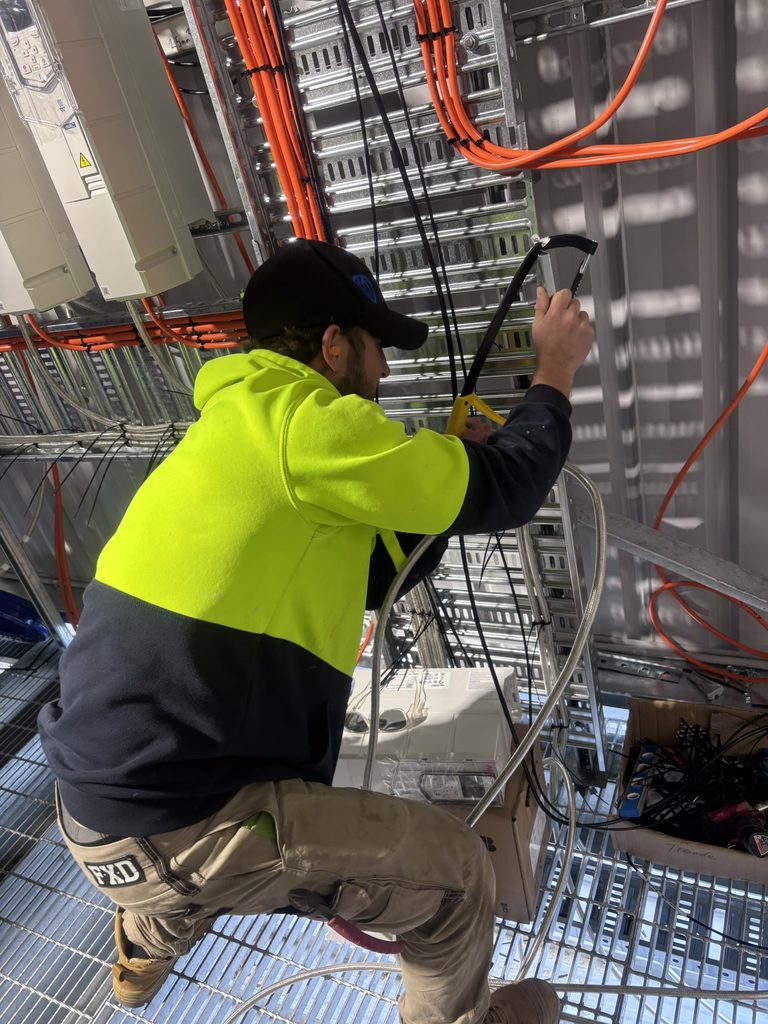
The switchboard comes first because all new central plant and its controls take their supply from it. Breaker ratings chosen at the board flow through to every cable size downstream, so the board design has to be fixed before any cable gets ordered.
- Cable sizing under AS/NZS 3008.1.1 starts from the protective device rating set at the board, then factors in the cable route and installation method.
- Replacement chillers and pumps often come with VSDs, which change current draw and protection settings compared with the DOL or star-delta starters they replace.
- A custom MSSB is built to order once drawings are approved, so its lead time can run longer than the plant’s.
- Containment and board work can go in before each delivery, which shortens the gap between plant landing and plant running.
- DDC panels need a stable, documented supply before field wiring and point testing can start.
The lead time point catches plenty of owners out. A chiller ordered months before its board can end up sitting dead on its plinth heading into summer.
What Problems Do Old Switchboards Hide?
Old mechanical switchboards commonly hide safety and capacity problems that only show up once someone opens the doors. A survey at the start of the project is the cheapest point to find them.
- Older boards, particularly those built before the 1990s, can contain asbestos in backing panels or arc chutes. It has to be identified before work starts, and removal follows WHS licensing rules based on the material type and quantity.
- Boards with no spare ways have usually picked up new circuits wherever there was room.
- Busbar and main switch ratings may fall short of the site’s present fault level, which can rise after supply or transformer upgrades.
- Form 1 boards have no internal separation, so working on one section can mean shutting down the lot.
- Undocumented modifications leave the circuit schedule on the door out of step with the wiring behind it.
The last item causes more grief than it should. It’s a familiar scenario. A crew isolates the breaker marked for chilled water pump 2, and the pump keeps running because that breaker now feeds a tower fan.
Frequently Asked Questions
Can the Existing Switchboard Be Kept for a Chiller Replacement?
Sometimes, if it has enough rating and spare space for the new plant and can handle the site’s fault level. Any asbestos in it also has to be safely managed or removed. A survey with a thermographic scan and a check of the main switch and busbars against the fault level will confirm it. Older boards that have been modified repeatedly are the least likely to pass.
When Should a New Mechanical Services Switchboard Be Ordered?
As early as plant selections allow, ideally at the same time as the chillers. Custom boards are built to order after drawings are approved, and lead times vary with the builder and component supply. Confirmed electrical data from the plant supplier is what allows an early order.
Does a New Switchboard Need Compliance Testing?
Yes. A board above the 125 A or 10 kA trigger needs verified compliance with an assembly standard, which for a new board means AS/NZS 61439. The installation must also be inspected and tested to AS/NZS 3000 before it’s energised. The licensed electrical contractor then completes whatever compliance paperwork the state or territory requires.
Key Takeaways
Starting with the switchboard keeps mechanical electrical and controls replacements on program, because every downstream item depends on its capacity and protection. Board problems found late tend to cost the most time.
- An early board survey picks up asbestos and fault level shortfalls before they hold up the job.
- Confirmed plant electrical data needs to be in hand before the board design is locked in.
- Ordering the MSSB alongside major plant protects the program, since board lead times can exceed equipment deliveries.
- Board and containment work going in ahead of each delivery keeps the electrical lag behind the mechanical install short.
- Point-tested controls wiring takes wiring faults off the table early in commissioning.