Some road rules can apply on private land in WA, mostly where the public has access to the area. Parking enforcement sits apart from that, and WA traffic signs in a car park don’t create any fining power on their own.
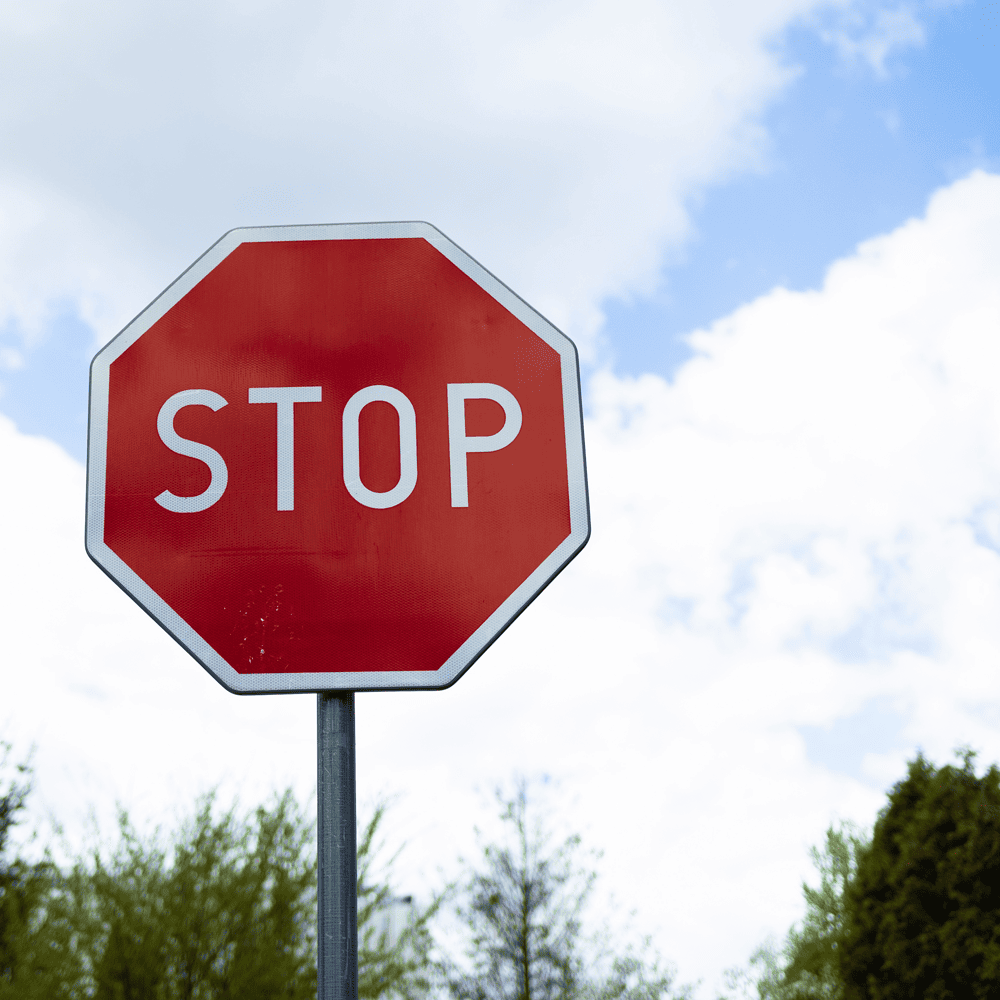
A regulatory sign is one that requires a driver to do or avoid something. Stop, give way, speed limit and parking restriction signs all belong in this group. A warning sign only alerts drivers to a hazard, and the law handles the two categories differently.
A sign’s wording sets out the rule. The enforcement route behind it decides what happens when a driver ignores it.
When Road Rules Apply on Private Land
Road rules can apply on private property in WA where the area is open to or used by the public. Each site turns on its own facts, though a few features tend to shape the assessment:
- Free public entry, as in a shopping centre car park, points towards road rules covering driver behaviour.
- Restricted access, such as a gated strata car park, makes the position much less certain.
- Industrial sites mostly run on workplace safety duties, though visiting truck drivers still expect public road conventions.
A single site can sit on both sides of that line. In a hypothetical case, a shopping centre’s customer car park is open to anyone, while its loading dock sits behind a boom gate. The road rules position may differ between the two areas, so one assumption for the whole site doesn’t hold.
Sites with restricted access are worth checking with a traffic engineer or lawyer before anyone relies on road rules.
Why Parking Signs Don’t Enforce Themselves
A parking restriction on private land in WA needs a legal mechanism behind it before anyone can be fined or towed. Road rules may cover driver behaviour in a public-facing car park, but fining powers for overstays don’t come with them. The available mechanisms are:
- A council parking agreement, which extends the council’s parking local law onto private land. Many WA councils offer one, though not all do.
- A towing arrangement, provided the site’s signs meet Department of Transport requirements.
- Strata by-laws, which can be enforced against owners and occupiers of a strata scheme, with penalties handled through the State Administrative Tribunal.
In a hypothetical case, a bulky goods centre in Osborne Park installs 1P signs across its front bays. Without a council agreement or a towing arrangement, nobody has the power to act on an overstay.
Some councils won’t patrol timed parking at all. In that council area, the 1P limit could need rethinking before the agreement stage.
A paid car park runs into the same problem where the council won’t cover paid parking. Without council cover, the enforcement question has to be answered some other way before the signs go up.
Sequencing a Parking Sign Rollout
Parking signs come last in a well-run rollout, after the enforcement route is settled and any required wording is approved. Sites that reverse the order risk paying for signs that don’t fit the route they end up with.
- The enforcement route gets chosen first: a council agreement, a towing arrangement, or by-laws for strata schemes.
- Under a council agreement, the council confirms it’ll cover the restriction type, since some won’t patrol timed parking or cover paid car parks.
- Under a council agreement, sign wording goes to the council for approval, including any agreement number or local law reference.
- Under a towing arrangement, signage gets checked against Department of Transport requirements for that property type and bay count.
- Signs go up, and each one is photographed with the date recorded.
Council agreements usually involve a site inspection, with fees for setup and annual renewal. Once the agreement is signed and approved signs are in place, rangers can issue infringements. Unpaid fines escalate through the Fines Enforcement Registry.
There’s no point throwing money at sign plates before that paperwork exists. A dated photo record gives the owner something to show if a sign’s condition or placement is ever questioned.
Frequently Asked Questions
Do Road Rules Apply in a Shopping Centre Car Park?
Some road rules may apply in a shopping centre car park, depending on the facts of the site. The answer mostly turns on public access. Fining someone for overstaying a time limit still needs a council agreement.
Do Road Rules Apply on a Gated Industrial Site?
It depends on the facts of the site, and restricted access makes the position less certain. Industrial sites mostly run on workplace safety duties. A traffic engineer or lawyer can confirm the position before anyone relies on road rules.
How Big Does a Towing Sign Need to Be in WA?
Where a major sign is required, it has to be at least 60 cm wide and 90 cm high. Requirements depend on property type and bay numbers, with business sites of 50 or more bays grouped with commercial car parks. Smaller business sites and residential strata fall into a separate group.
Final Thoughts
Private WA traffic signs carry weight when they follow the AS 1742 series and have a legal enforcement route behind them. Well-run private sites tend to share a few habits:
- The enforcement route is settled before any parking sign gets ordered.
- Towing signs get rechecked whenever a site’s bay count or property type changes.
- ACROD bays get treated as a separate compliance job.
- Old signs come down whenever the layout changes.
- Every regulatory sign has a dated photo on file.