Finding a reliable commercial signage supplier requires looking past the glossy sales brochure. In the trade, fabrication tolerance simply refers to the acceptable margin of error during production, usually measured in millimetres.
Tight tolerances mean the final product fits together perfectly on site. Sloppy tolerances lead to misaligned hazard panels, water ingress, and premature structural failure. Most operators reckon it’s cheaper to vet a workshop’s capabilities early than fix their mistakes later on a busy highway verge.
The Real Cost of Subpar Manufacturing Capabilities
Evaluating a manufacturer’s true capabilities prevents expensive delays caused by outsourced fabrication failures and incompatible hardware. A workshop that lacks the right gear often relies on subcontractors, which strips away direct quality control. The timeline then becomes entirely dependent on outside businesses. This lack of control quickly turns a simple roadworks deployment into a logistical nightmare.
- Small guillotine beds force fabricators to join materials instead of cutting single sheets for large multi-message signs, creating weak seams.
- Missing in-house clear coating booths mean anti-graffiti finishes happen in open factory air, ruining the protective layer with dust.
- A lack of AS/NZS 1554.1 certified welders means the structural integrity of heavy vehicle marker plates remains highly questionable.
There’s no point throwing money at a massive safety overhaul if the physical product falls apart.
Checking a supplier’s machinery list gives a clear picture of what they can actually handle. Workshops running outdated solvent printers will constantly struggle with visual consistency across large construction zone fleets. Advanced flatbed printers offer far better ink adhesion directly onto rigid substrates.
How Quality Control Checks Extend Signage Lifespan
Strict quality control protocols catch structural weaknesses before installation, directly extending the operational life of exterior civil assets. A good commercial signage supplier documents every stage of the build. They check material thicknesses against engineering specs before the first metal cut happens. Skipping these checks usually results in a hazard marker that won’t survive its first serious storm.
- Checking the dry film thickness of primer coats prevents rapid steel oxidation on custom-engineered transport frames.
- Testing the reflectivity class rating directly against specific road speed zone requirements prevents disastrous compliance failures.
- Using a torque wrench on critical structural fasteners prevents dangerous vibration loosening over time.
Many smaller shops rush the assembly phase to get jobs out the door quickly.
They might skip the correct surface preparation before applying retroreflective sheeting. That sheeting will inevitably peel or bubble within a single year. A solid quality control framework stops these costly shortcuts dead in their tracks.
The Impact of In-House Production on Project Timelines
Working with a supplier who keeps production entirely in-house eliminates third-party scheduling conflicts and drastically reduces project turnaround times. A fully equipped facility handles everything from metal fabrication to final reflective sheeting application under one roof. The production manager controls the entire factory queue. Jobs flow straight from the welding bay to the finishing shop without sitting on a transport truck.
- Rapid prototyping for custom advance warning signs happens in days rather than weeks when designers and fabricators share the exact same building.
- Fixing accidental transport damage takes hours instead of triggering a massive third-party re-order delay.
- Delivery coordination improves massively when custom-engineered transport frames get built in the same shop as the signs themselves.
Relying on external powder coaters or laser cutters introduces massive logistical risk.
If the third-party shop runs late, the installation date gets pushed back instantly. Site access permits expire, and expensive traffic management crews sit idle on site. Keeping things under one roof avoids this domino effect entirely.
Assessing Material Suitability for Local Environmental Conditions
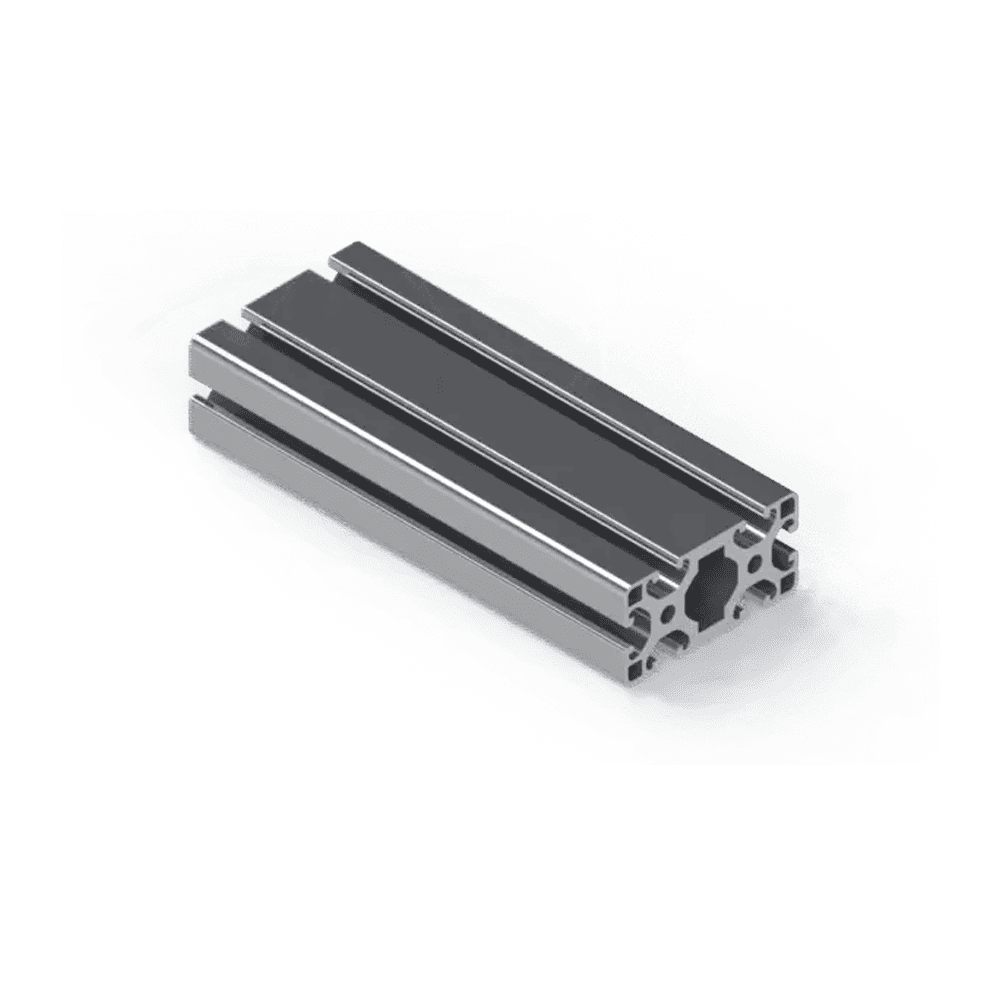
Verifying material specifications ensures the final product will survive high UV indexes, cyclonic wind loads, and coastal salt spray. Western Australian conditions are notoriously harsh on synthetic materials and cheap commercial metals. An experienced shop specifies high-wind load extrusions for freestanding site boards exceeding two metres in height. They understand exactly how different materials expand and contract in direct summer sun.
Frequently Asked Questions
How Long Should Commercial Signage Last in Direct Sun?
High-quality signs treated with premium anti-graffiti clear coats and UV-stabilised films should easily last ten years before fading becomes noticeable. Cheap vinyl alternatives might show severe degradation within just three years. Asking about specific UV warranties separates reliable suppliers from the rest.
What’s the Standard Turnaround Time for Custom Fabrication?
Most reputable workshops require one to three weeks for standard custom metal builds and reflective panels. Complex structural hoardings often push that timeline out to six weeks or more. Faster turnarounds usually mean the workshop is skipping vital surface preparation steps.
Why Do Local Council Regulations Affect Manufacturing?
Local councils demand specific structural certifications for public safety, especially concerning wind loads and footing depths. A fabricator must build the physical asset to match the exact engineering drawings submitted for initial approval. Deviating from these structural specifications risks heavy council fines and forced removal.
Wrap-Up
Taking the time to heavily assess a supplier’s actual manufacturing capabilities eliminates most of the risks associated with civil and traffic signage projects. It stops businesses from paying premium prices for poorly fabricated, outsourced products. A properly vetted workshop delivers highly consistent results and handles complex site installations without drama. When a supplier gets a proper crack at building something right, the asset easily outlasts its standard warranty.