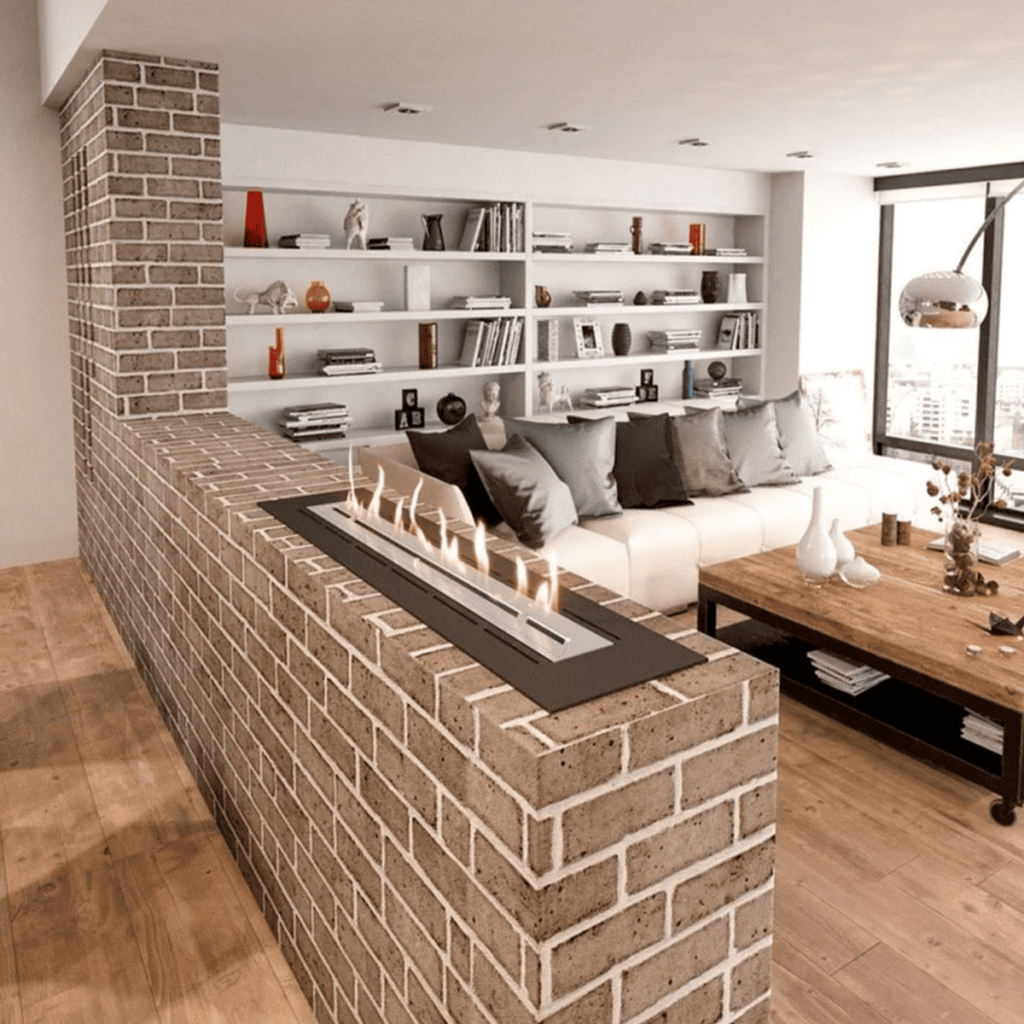
When buying a fireplace with no groundwork, the most common outcome is not a disaster, it is a string of small frustrations that add up, uneven warmth, annoying controls, unexpected building work, and costs you did not budget for.
A fireplace is a mix of appliance, building component, and design feature. That combination is exactly why a little knowledge up front saves a lot of backtracking later.
The “Looks Good Online” Trap
A fireplace can look perfect in a showroom or a product photo and still be a poor match for your space. Visual appeal matters, but it is only one part of the decision, and it is easy to overvalue it when you are excited.
Before you commit to a look-first choice, consider how often aesthetics hide the practical questions:
- Is the unit sized for the room, or just sized for the wall?
- Does the design require a specific clearance that changes your cabinetry or shelving plans?
- Is the flame effect separate from heat output, and will that bother you later?
- Does the finish you like show fingerprints, dust, or soot more than you expect?
A good-looking fireplace is still a good decision, but only when the practical side supports it.
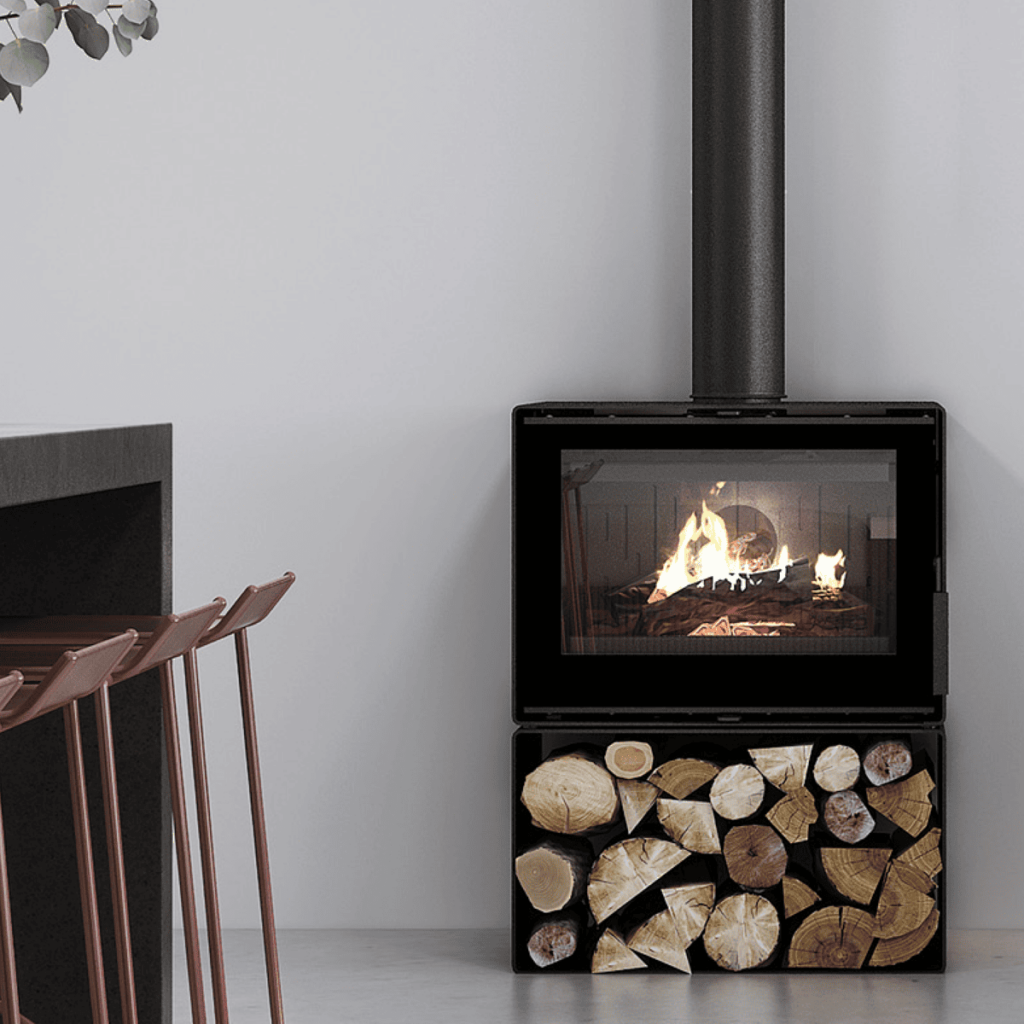
Sizing Mistakes That Make the Room Uncomfortable
Sizing is the fastest way to end up disappointed. Undersize it and the room never feels properly warm. Oversize it and you can end up with a space that swings between too hot and too cool because you are constantly adjusting.
The tricky part is that “room size” is not just floor area. A room’s behaviour changes with ceiling height, drafts, insulation, glass, and open-plan layouts.
Common sizing mistakes include:
- Measuring only the floor area and ignoring high ceilings
- Forgetting that open-plan layouts bleed heat into adjacent areas
- Assuming a fireplace will heat around corners and through hallways
- Treating a draughty room like a sealed one
- Expecting one unit to comfortably cover multiple large zones
If you are not sure what you need, start by deciding what zone you want to heat well (for example, the lounge seating area), then check whether the model’s guidance aligns with that goal.
Fuel Type Mismatch and Lifestyle Friction
Fuel type is not just a technical choice, it is a routine choice. The wrong match does not always fail outright, it just becomes something you avoid using because it is inconvenient.
Each fuel option comes with a different “cost” in effort, storage, control, and ongoing servicing. If you pick a fuel type without understanding the routine, you can end up with buyer’s remorse even if the fireplace works exactly as designed.
A few mismatch patterns to watch for:
- Choosing wood because it feels classic, then realising you do not want to manage wood storage and ash
- Choosing gas for convenience, then discovering your home’s gas access makes installation more involved than expected
- Choosing electric for simplicity, then expecting it to heat a large open-plan space the way other systems might
- Choosing a decorative flame option, then wishing you had prioritised more meaningful heat
A good shortcut is to imagine a typical winter week and how often you will turn it on. If the routine sounds annoying on paper, it will be worse when you are tired after work.
Installation Surprises That Blow Out the Budget
Many people price the unit and forget the installed reality. Installation can be simple in some homes and far more complex in others, depending on what sits behind the wall and what the fireplace requires.
The most common surprises involve flues, ventilation, power, gas routing, and structural changes to create a cavity or feature wall.
Costs and complications often come from:
- Flue routing limitations (especially if the ideal wall is not flue-friendly)
- Needing a build-out, framing, or reinforcement for the chosen design
- Electrical work for fans, ignition, lighting, or flame effects
- Gas line routing and access (where applicable)
- Finishing work like plastering, painting, and new skirting details
This is where “cheap unit, expensive install” happens. If you want a realistic budget early, treat the fireplace as a project, not a purchase.
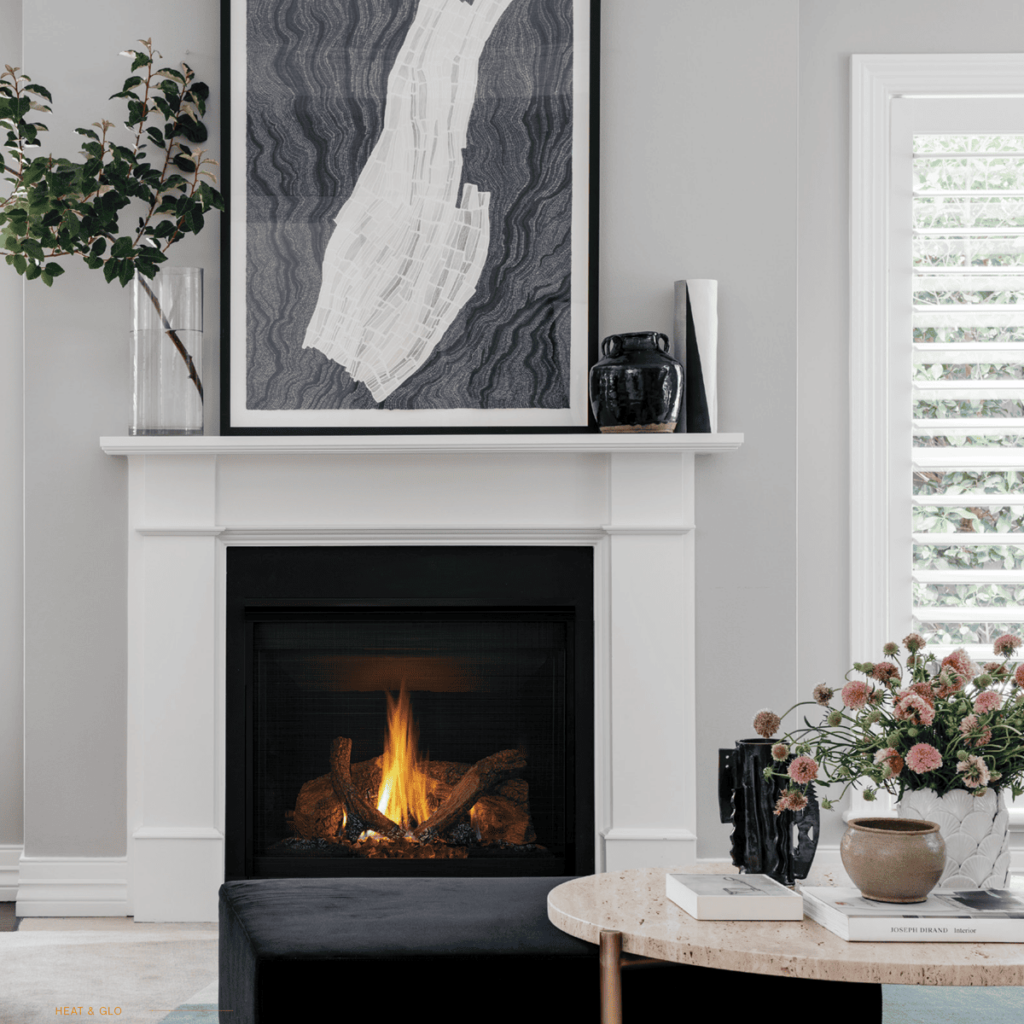
Compliance and Clearance Oversights
A fireplace is not a regular piece of furniture you can move around until it feels right. Clearances, heat exposure, and installation requirements can place strict limits on what you can do with nearby materials and joinery.
The risk of not knowing the basics is building a design around the fireplace that later has to be changed. That can mean redoing cabinetry, shifting shelves, changing mantel designs, or moving power points.
Before any feature wall work begins, make sure you understand:
- Minimum clearances to surrounding surfaces and furnishings
- What materials are suitable near heat and what are not
- Whether the model needs ventilation gaps or access panels
- How nearby TVs, soundbars, and electronics will be affected by heat
Even if you plan to “figure it out later”, the build will force a decision. It is better to solve it at the planning stage.
Key Takeaways
Buying blind is risky because fireplaces sit at the intersection of heating, building work, and design. The biggest problems usually come from sizing mistakes, fuel type mismatch, installation surprises, and usability issues that only appear once the unit is part of your daily routine.