Ensuring the continuity and reliability of critical power solutions is no small task. Whether you’re running a data centre, hospital, or industrial facility, having the right team in place is essential for maintaining and optimising your power systems. Recruiting the right individuals requires a blend of technical expertise, practical experience, and the ability to handle high-pressure situations.
Understand the Importance of a People-First Approach
At the core of effective critical power solutions is a people-first approach. Power systems are intricate and depend on skilled professionals to design, install, maintain, and troubleshoot them. Prioritising the right people ensures that operations run smoothly, problems are swiftly addressed, and downtime is minimised.
A people-first philosophy involves not only hiring for technical expertise but also recognising the value of teamwork, communication skills, and a proactive attitude. When you invest in individuals who align with these values, the results extend beyond just maintaining equipment — it fosters a culture of excellence and dependability.
Define the Skills and Experience You Need
The first step to finding the right people is clearly identifying the skills and experience required. Critical power solutions demand a range of technical proficiencies, such as:
- System Design and Engineering: Professionals who can create tailored solutions for your specific needs.
- Electrical Expertise: Technicians adept at installing and repairing critical power infrastructure.
- Risk Assessment and Planning: Experts capable of forecasting potential issues and implementing preventive measures.
- Compliance Knowledge: Familiarity with Australian regulations and safety standards.
Beyond technical skills, seek candidates with problem-solving abilities, adaptability, and the capacity to perform under pressure. Critical power systems often face unpredictable challenges, so hiring individuals who thrive in dynamic environments is essential.
Prioritise Teamwork and Communication
While technical skills are non-negotiable, teamwork and communication often determine long-term success. Critical power solutions frequently require collaboration between engineers, electricians, project managers, and external contractors. Miscommunication in these settings can lead to costly mistakes or delays.
Candidates with strong interpersonal skills and a proven ability to collaborate will contribute to a cohesive and effective team. When interviewing, assess their experience working in multidisciplinary teams and ask situational questions to gauge their ability to resolve conflicts or coordinate with others.
Look for a Proven Track Record
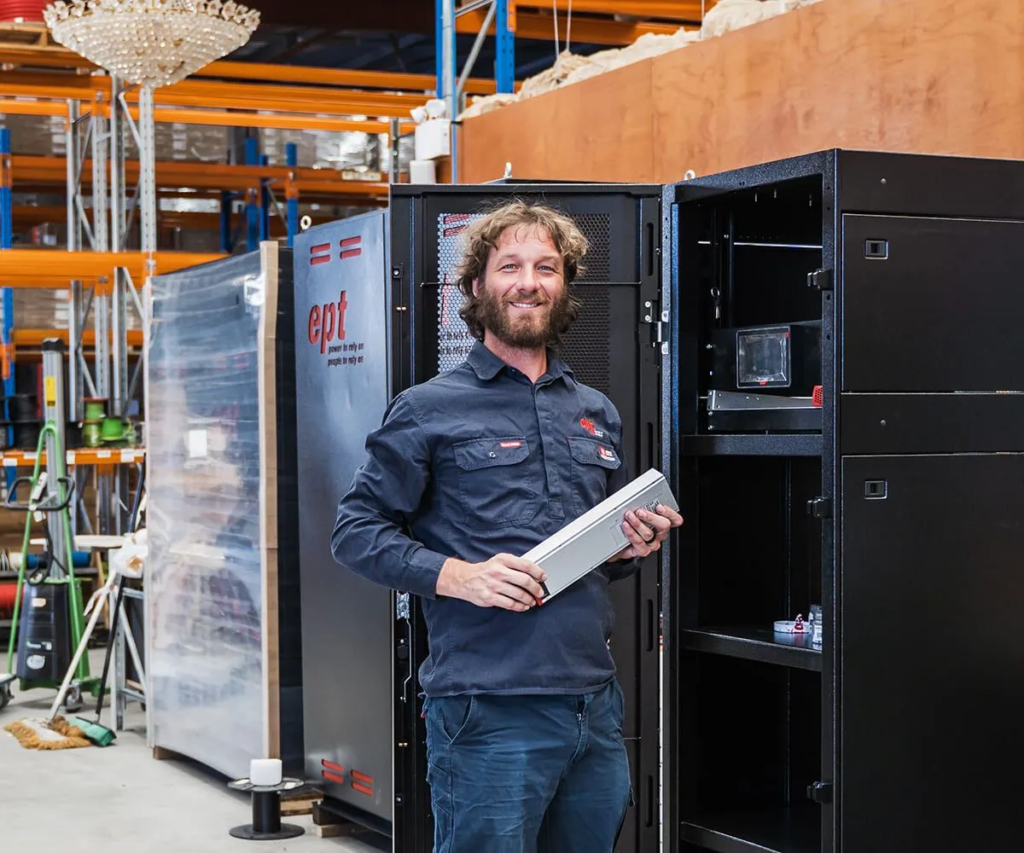
When it comes to critical power solutions, experience matters. Professionals with a proven track record in the industry bring invaluable insights that only hands-on exposure can provide. Review a candidate’s project history to evaluate their capabilities. Have they worked on large-scale or complex systems before? What were the outcomes of their efforts?
During interviews, delve into specific examples where they overcame challenges, delivered results under tight deadlines, or innovated solutions for unique problems. Real-world accomplishments can offer a clearer picture of how a candidate might perform in your organisation.
Emphasise Ongoing Training and Development
The world of critical power is continually evolving, with advancements in technology and shifts in regulations requiring constant adaptation. The best professionals are those who stay updated on the latest developments and are eager to expand their skill sets.
When recruiting, look for individuals who demonstrate a commitment to learning. Certifications, attendance at industry events, or active participation in training programs indicate a proactive approach to professional growth. Additionally, offering development opportunities within your organisation can help you attract and retain top talent.
Assess Problem-Solving and Crisis Management Skills
Critical power solutions operate in high-stakes environments where even minor errors can have significant consequences. Therefore, hiring professionals with strong problem-solving skills is essential.
Use the interview process to evaluate a candidate’s ability to think critically and remain calm under pressure. Present hypothetical scenarios and ask how they would handle unexpected equipment failures, power outages, or compliance issues. Their responses will reveal their problem-solving process, decision-making capabilities, and preparedness for real-world situations.
Hire for Cultural Fit
Beyond skills and qualifications, cultural fit is a critical factor in long-term success. Your team should share a commitment to your organisation’s values, goals, and work ethic. A cohesive workplace culture fosters collaboration, productivity, and innovation.
During the hiring process, consider how candidates align with your organisational culture. Are they motivated by the same values? Do their personal goals align with the company’s mission? Investing in people who fit well within your team can lead to stronger relationships and better outcomes.
Work with Specialist Recruiters
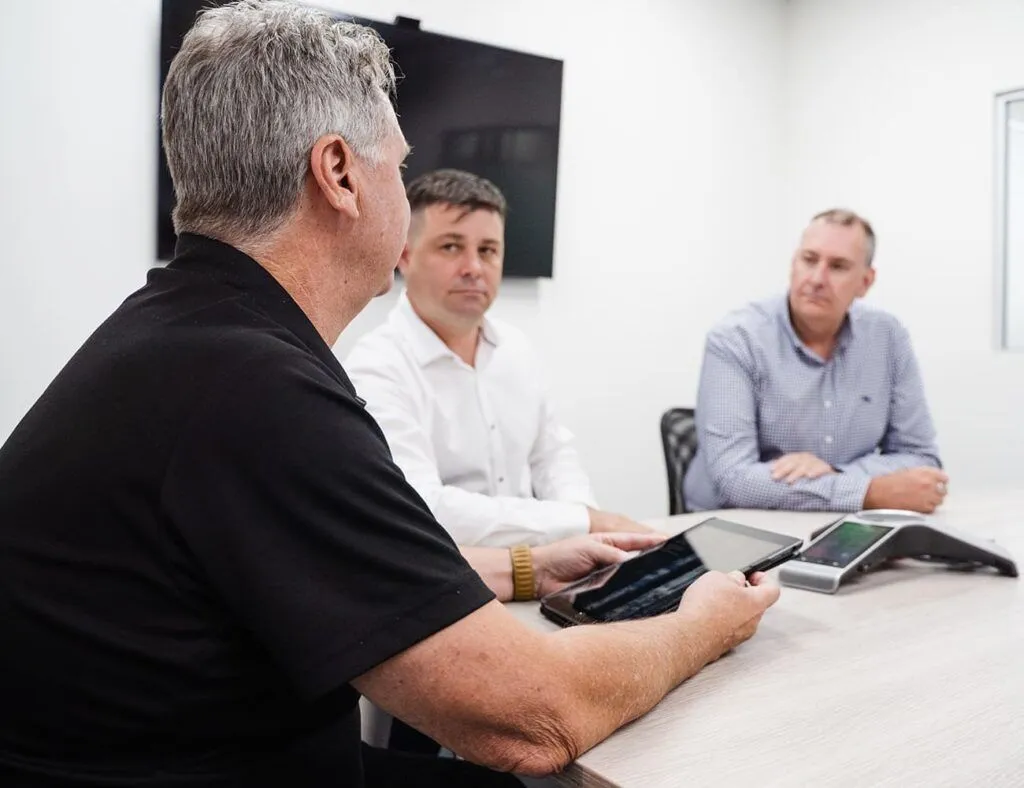
Finding top-tier talent in the critical power sector can be challenging, especially if your organisation lacks the time or expertise to navigate the recruitment process. Specialist recruiters in the power industry can simplify the task by tapping into their extensive networks and deep understanding of the field.
These professionals can help identify candidates with niche skills and ensure they’re an excellent match for your needs. By partnering with a recruiter who understands the unique demands of critical power solutions, you can streamline the hiring process and secure the best talent more efficiently.
Foster a Supportive Work Environment
Attracting and retaining the right people goes beyond the hiring stage. A supportive work environment is crucial for keeping your team motivated and engaged.
Invest in resources that empower employees to excel, such as advanced tools, clear communication channels, and a focus on work-life balance. Recognise and reward hard work, provide regular feedback, and create opportunities for growth within the company. These efforts not only boost employee satisfaction but also contribute to higher performance and reliability in your critical power systems.
Conclusion
Finding the right people for critical power solutions involves more than simply matching resumes to job descriptions. It requires a thoughtful approach that prioritises technical expertise, teamwork, and cultural fit. By defining your needs, evaluating candidates thoroughly, and investing in their development, you can build a team that ensures the success and reliability of your critical power infrastructure.