Cool-season grasses can deliver that dense, soft lawn feel people chase, but they only really shine when you play to their strengths. They like mild days, cooler nights, and steady moisture. They dislike heat stress, drying winds, and long runs of hot afternoons that bake the topsoil. That’s why timing matters more with cool-season seed than most people expect. Get the window right and you’ll spend your time mowing and enjoying it. Get it wrong and you’ll spend your time reseeding, fighting weeds, and wondering why it never thickened up.
In practical Australian lawn care, cool-season seeding is less about a perfect date and more about choosing a stretch of weeks where the seed can germinate quickly, the seedlings can root deeply, and the lawn can build strength before the next stressful season arrives.
What Counts as a Cool-Season Grass and Why Timing Is Different
Cool-season grasses are those that grow best in mild conditions and tend to slow down when it gets hot. They can still grow during warmer months with enough water, but they often look tired and thin if they are pushed through harsh summer conditions without support.
That difference in growth preference is the main reason seeding windows matter. When you seed cool-season grasses, you are trying to avoid the seedling stage lining up with heat. Seedlings are fragile, shallow-rooted, and quick to dry out. A mature lawn can handle a rough week. A new seeded lawn can be knocked back hard by the same weather.
Common cool-season lawn traits to plan around:
- Strong growth in mild seasons
- Higher risk of stress in hot, dry periods
- Better recovery when conditions cool again
- A need for consistent moisture during establishment
If you treat cool-season seed like a warm-season lawn and plant it heading into rising heat, you are starting on hard mode.
The Two Best Seeding Windows for Cool-Season Lawns

Across many Australian regions where cool-season lawns are practical, the strongest seeding windows are usually autumn and spring. Both can work well, but they have different risks and different aftercare demands.
Autumn often wins for reliability because the worst heat is fading and the soil still holds warmth. Spring can be excellent too, but it carries a common trap, summer is coming, and seedlings may not be fully toughened before they face hot afternoons.
When you are choosing between them, the simplest question is this: which window gives your lawn the longest runway before heat stress becomes likely?
Why Autumn is Often the Sweet Spot
Autumn seeding suits cool-season grasses because it lines up with improving conditions. Evaporation usually drops compared to summer, the soil often remains warm enough for germination, and the lawn has time to establish before the next summer cycle.
Autumn works best when you seed early enough to get meaningful growth before winter slows things down. If you leave it too late, germination can be slower, growth can stall, and you can end up with a thin lawn that struggles to outcompete weeds.
Autumn seeding tends to be a strong choice when:
- Your lawn was hammered by summer and needs thickening
- You want fewer heat-related failures during establishment
- You can commit to watering for the first few weeks
- You want a lawn that is ready to push hard in spring
Autumn is also a good season for renovation work because you can fix soil issues without racing a heatwave.
When Spring Seeding Makes More Sense
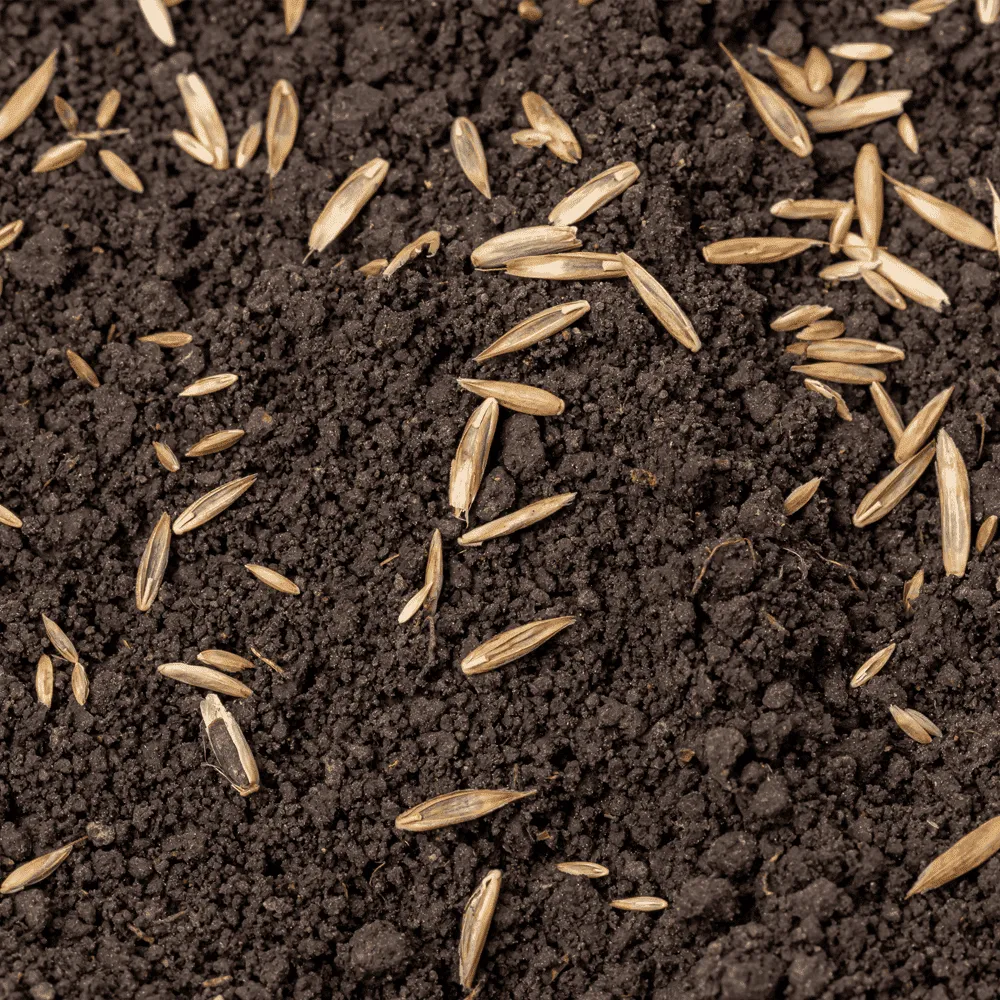
Spring can be a great window for cool-season seed if your local conditions stay mild long enough for the lawn to establish. The upside is fast growth. As days warm and light increases, seedlings often move quickly from “fine green fuzz” to a lawn you can mow and manage.
The downside is the countdown to summer. If you seed too late in spring, the lawn may be forced into heat stress while roots are still shallow. That can lead to thinning, patchiness, and weeds taking advantage of open soil.
Spring seeding is often a better option when:
- Winters are harsh enough that autumn growth is limited
- You missed the autumn window and need a second chance
- You can seed early in spring and stay consistent with watering
- You have a plan to protect the young lawn heading into warmer weeks
If you choose spring, err on the early side. The earlier you seed (within reasonable local conditions), the more time the lawn has to build roots before summer pressure arrives.
Key Takeaways
Cool-season grasses perform best when you seed into mild, steady conditions and give the lawn enough runway to build roots before heat stress becomes a threat. Autumn is often the most reliable window because the soil still holds warmth while harsh summer conditions fade. Spring can work well too, especially if you seed early and stay disciplined with watering as conditions warm.