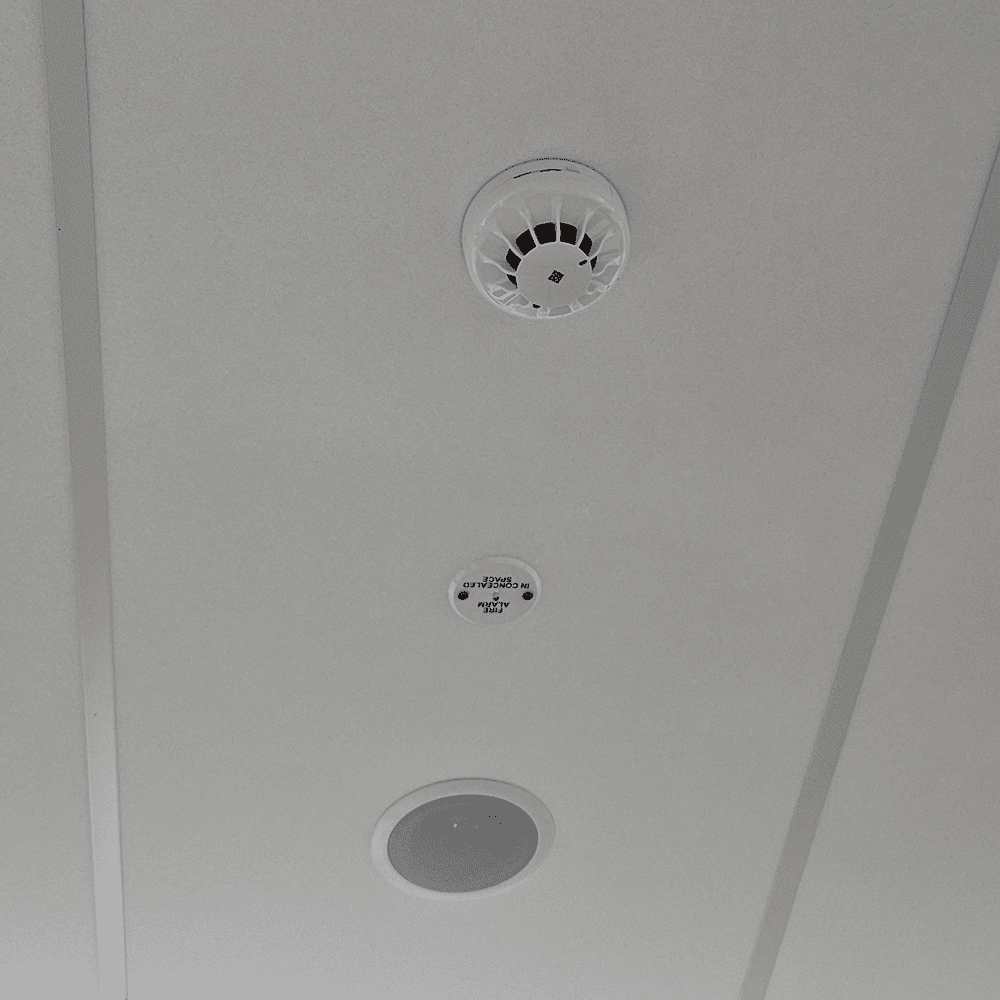
A commercial fire alarm system is compliant when it still matches its approved design and suits the way the building’s used today. It also needs current maintenance records showing it’s been serviced to AS 1851.
For fire safety compliance in WA, a panel reading “normal” confirms only that the system’s powered and isn’t reporting faults. The rest sits in paperwork and building conditions the panel can’t read.
How WA Law Treats a Commercial Fire Alarm System
In WA, a fire detection and alarm system is classed as a safety measure under Regulation 48A of the Building Regulations 2012. Where the occupancy permit lists it, that classification has these practical effects:
- The system’s ongoing performance becomes a legal condition of occupying the building, and it stays one for as long as the building’s in use.
- The approved design, typically prepared to AS 1670.1, becomes the benchmark the system is measured against. That design sits within the performance requirements of the National Construction Code.
- Servicing under AS 1851 becomes the recurring obligation that shows the system still performs as approved.
In plain terms, a safety measure is a system the occupancy permit depends on for occupant safety. It’s the WA term for what some other states call essential safety measures.
The occupancy permit is what attaches these obligations to a specific building. The wider framework comes from the Building Act 2011 and the Building Regulations 2012.
Within fire safety compliance in WA, the two standards run on different timelines. AS 1670.1 compliance is largely assessed once, at completion or after a significant upgrade. AS 1851 compliance repeats for as long as the building’s in use.
Older buildings approved under earlier legislation may carry different paperwork. The permit authority, usually the local government, can confirm which safety measures apply to a specific building.
What a Service Report Actually Confirms
A service report under AS 1851 records what was tested on a given day and sorts any problems into categories. The current edition, AS 1851-2012, uses three:
- Critical defects are faults that leave the system unable to perform its safety function. They’re the most serious finding a report can contain and need prompt rectification.
- Non-critical defects are faults that don’t stop the system working, such as a failed indicator or a damaged detector base.
- Non-conformances are, broadly, cases where the system doesn’t match its approved design or the standard it was installed to. They can exist with every device in working order.
Non-conformances are the easiest category to overlook. A meeting room built after handover with no detector is a typical case. Testing every other device in the building won’t reveal it.
Panels don’t display non-conformances. They only appear in the written report, recorded separately from defects.
Why Baseline Data Matters for Compliance
Baseline data is the record of what a system was designed and approved to do, and AS 1851 servicing compares current performance against it. It typically includes:
- As-installed drawings and zone plans.
- The cause-and-effect matrix, which records what each detector activation triggers, such as door releases or HVAC shutdown.
- Original commissioning results and device schedules.
- Records of approved modifications made since handover.
A typical case is a Perth office block from the 1990s that’s changed hands three times. The original drawings went missing somewhere around the second sale, which is about par for the course. The contractor tests every device, and the results come back clean.
Without baseline data, there’s no approved version on file to compare those results against. The report can’t show whether the system still matches its approval.
Rebuilding the record usually means a full site survey and a fresh cause-and-effect review. It’s a real cost, and it’s the only practical way to restore a benchmark.
What the Maintenance Side of Compliance Requires
The maintenance side of compliance requires servicing by a competent person, at the intervals set out in the AS 1851 tables, with every visit recorded. A maintenance record supports compliance when it shows:
- Each scheduled service completed on time, with results logged in the on-site register.
- Defects raised, rectified and closed out, with none left open across several visits in a row.
- Every isolation during building works matched by a recorded reinstatement.
- Current system documentation on hand when DFES or a contractor attends.
The intervals vary by component and run from frequent routine checks through to longer periodic reviews. Some occupancy permits add building-specific requirements on top of the standard.
Isolations are a common weak point. Isolating a zone during hot works or dusty trades is standard practice, and reinstatement relies on someone remembering. An isolation with no matching reinstatement entry is a red flag at audit.
Frequently Asked Questions
Who’s Legally Responsible for Keeping a Commercial Fire Alarm Compliant in WA?
The building owner holds legal responsibility under the occupancy permit. Managing agents coordinate schedules and records on the owner’s behalf, and licensed contractors carry out the servicing. Lease terms that assign maintenance costs to a tenant don’t move the legal obligation, and the owner cops any compliance notice.
Does an Older System Have to Meet the Current Version of AS 1670.1?
Generally, a system is assessed against the standard and approval that applied when it was installed. Significant building work or a change of use can prompt a fresh look at whether the design still holds up. Where that review finds gaps, the permit authority may require upgrades as part of the approval.
How Does a Direct Brigade Alarm Connection Affect Compliance?
DFES directly enforces AS 1851 maintenance for alarms connected to its Direct Brigade Alarm network. That gives the fire service an enforcement role for these buildings, alongside the owner’s occupancy permit obligations. DFES also plays an advisory role at the design stage, so its involvement can start well before commissioning.
Key Takeaways
Three records give the fastest read on a building’s fire alarm compliance: baseline data, recent non-conformance findings and the isolation log. Baseline data and non-conformance findings cover gaps the panel can’t display. The isolation log shows whether zones taken offline for works were ever put back.