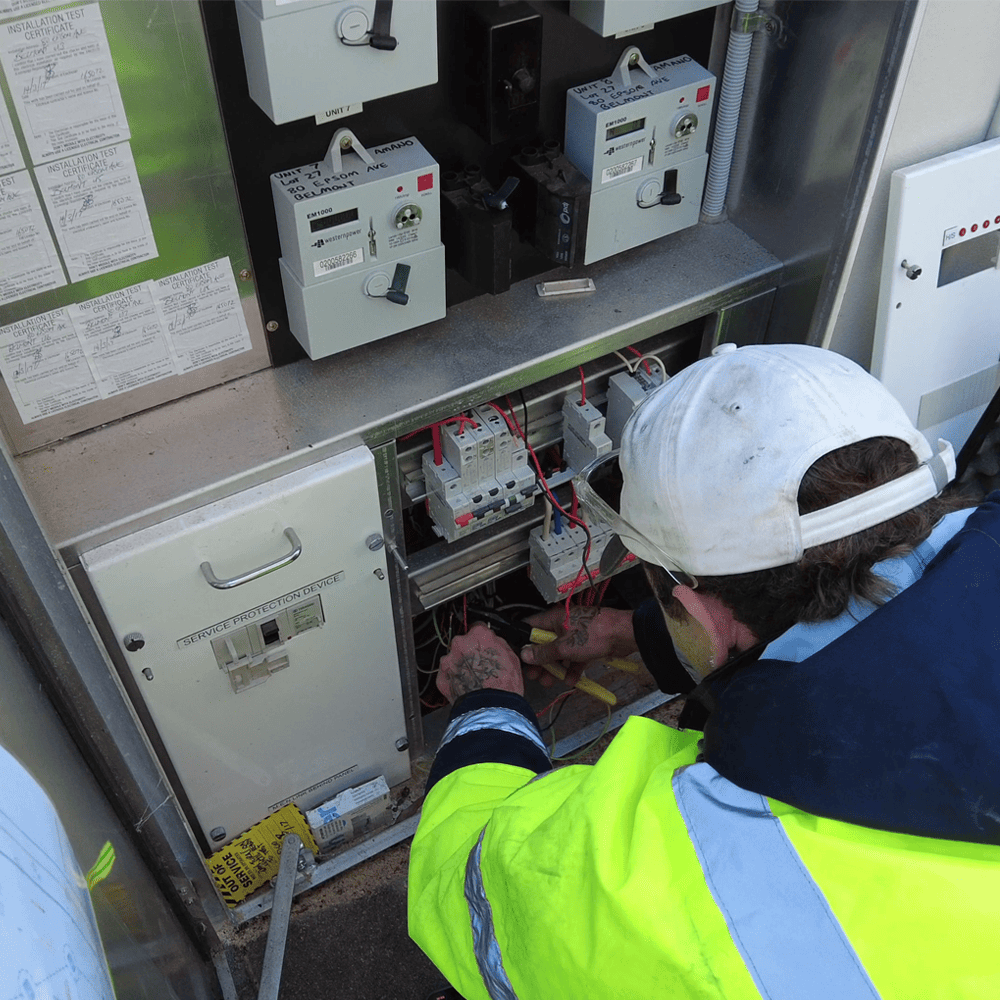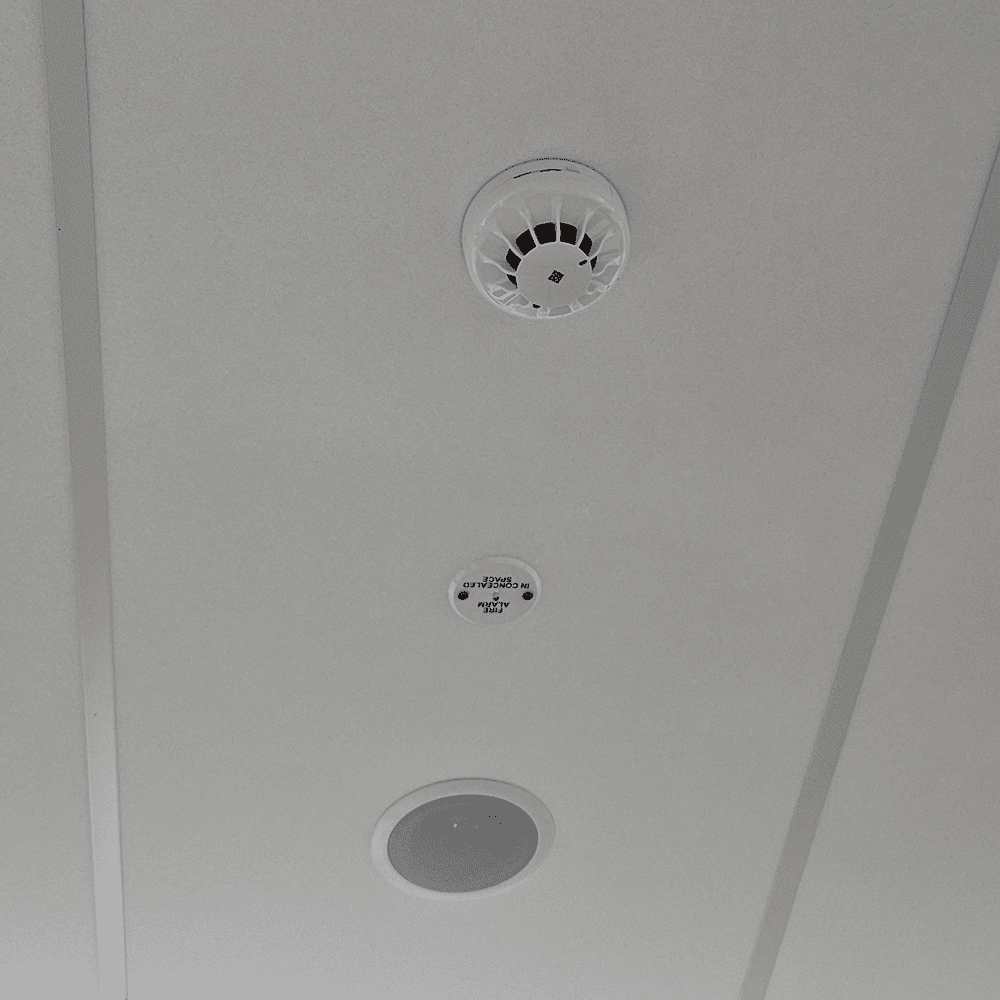
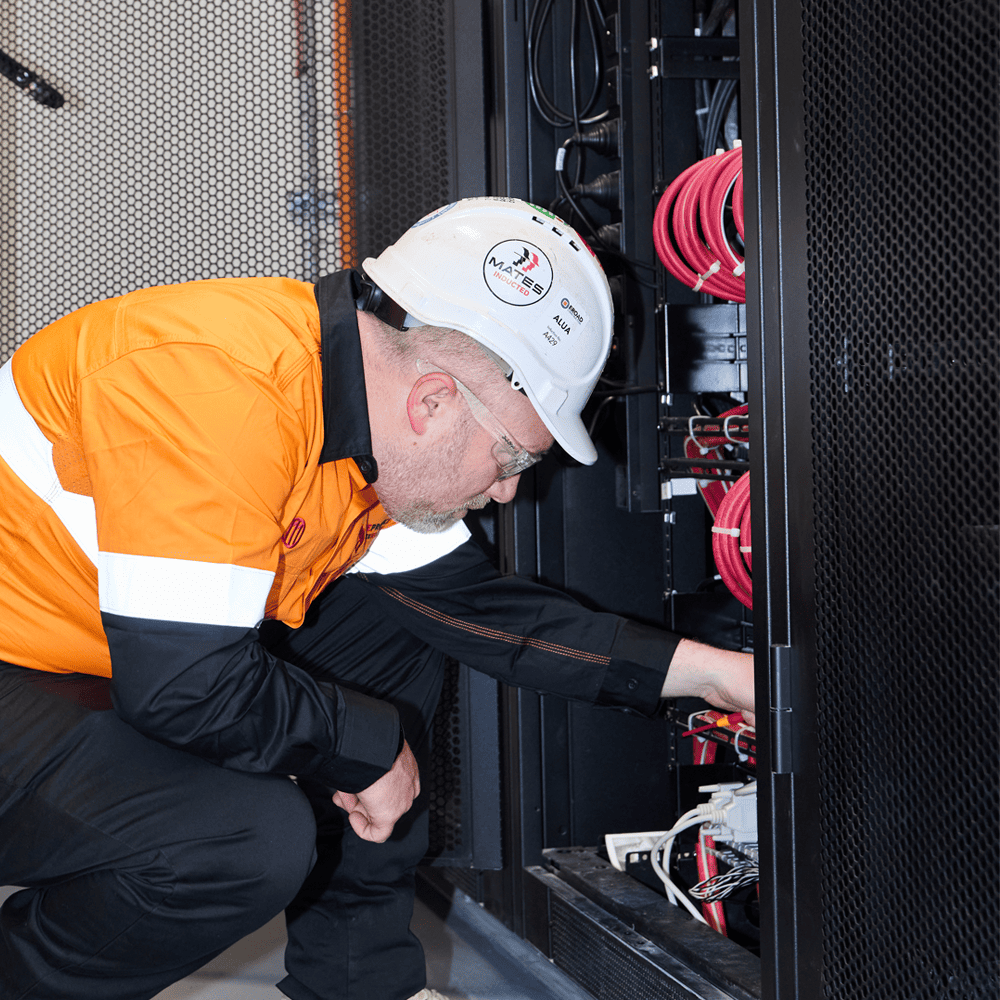
Perth heat bakes field devices mounted on tin roofs, and commercial fire alarm systems across Western Australia face a harsh reality of environmental wear. Salty coastal air in Fremantle destroys copper terminals. Equipment degrades rapidly under these specific conditions.
Component obsolescence occurs when manufacturers stop producing replacement parts or issuing software patches for a specific panel. This leaves the system completely unsupported if a major fault develops. Building managers often miss the early warning signs of this phase. They assume a quiet indicator panel is a healthy panel.
What Triggers a System Upgrade?
A system upgrade is typically triggered when replacement parts become entirely unavailable, making it impossible to fix a fault and legally maintain the site. Building owners often resist spending capital on fire safety until a critical failure forces their hand.
Technicians see this reactive approach play out constantly across industrial estates. The costs of emergency call-outs quickly exceed the price of a scheduled, new installation.
- Repeated false alarms linked to degraded sensor chambers inside legacy smoke detectors.
- Unresolvable earth faults originating from brittle cable insulation across the entire property.
- Inability to source new addressable loop cards for planned building expansions.
The physical environment dictates the lifespan of these electronic components. Mining camps up north see extreme dust ingress that chokes optical sensors. Coastal facilities battle constant salt corrosion on printed circuit boards. It’s a relentless battle against the elements.
Old conventional systems lack the diagnostic intelligence of modern addressable networks. A fault light illuminates on the board, but it doesn’t pinpoint the exact location.
Technicians spend hours physically inspecting every device on a cable run. There’s no point throwing money at a system requiring a full day of labour just to find a loose wire.
Spotting End-of-Life Panels on Site
Identifying an end-of-life panel requires checking the manufacturer product lifecycle bulletin against the specific firmware version and hardware chassis currently mounted on the wall. It isn’t just about the physical appearance of the metal cabinet.
A panel installed in 2012 might look perfectly fine to a casual observer. Its internal control chip tells a completely different story.
- Faded or cracked plastic fascias around the main liquid crystal display screen.
- Logbooks filled with unexplained communication drop-outs and phantom reset events.
- Swollen backup batteries sitting inside heavily corroded metal support brackets.
These control chips can’t be updated to handle modern communication protocols. Technicians logging into older systems frequently encounter software lockouts. The programming software required to make changes only runs on outdated operating systems.
The Danger of Ghost Faults in Ageing Loops
Ghost faults occur when degraded insulation on copper wiring causes intermittent resistance changes, sending false signals back to the main indicator panel. Tracking down these intermittent issues is incredibly frustrating work for service crews.
A commercial site might sit quiet for weeks without a single issue. Then a cold winter front hits the metropolitan area.
The sudden temperature drop causes condensation inside old conduit pipes. Water finds the microscopic cracks in the ageing cable insulation. The panel registers an earth fault at three in the morning. By the time a technician arrives on site, the morning sun has dried the moisture.
The fault disappears completely from the system log. The technician has absolutely nothing to fix or replace. This maddening cycle repeats until the wire completely burns out. Service departments cop a hammering trying to explain these invoices to frustrated property managers.
Why Network Protocols Matter During Fire System Upgrades
Network protocols matter during fire system upgrades because older communication languages can’t interface with modern building management systems or advanced graphic mimic displays. Modern facilities demand integrated security, ventilation, and fire responses. Legacy panels operate in complete isolation. They simply can’t talk to the rest of the building.
- Proprietary coding that prevents third-party monitoring services from reading detailed fault logs.
- Slow polling speeds that delay activation signals across large, multi-story building networks.
- Incompatibility with modern fibre-optic backbone networks used in commercial high-rises.
A site manager might want a digital floorplan showing exactly which detector triggered the alarm. A fifteen-year-old system only outputs basic text on a tiny screen. Upgrading the network architecture fixes this visibility problem completely. High-level interfaces now share real-time data with mechanical services.
Frequently Asked Questions
How Long Do Fire Panels Typically Last Before Needing Replacement?
Most manufacturers design fire panels for a ten to fifteen-year operational lifespan before dropping hardware support. Environmental factors like extreme heat and high dust levels often shorten this timeframe significantly. Building owners should plan for major upgrades around the twelve-year mark to avoid sudden compliance failures.
Can Older Fire Detectors Be Used with a Brand-New Panel?
Installing a new panel usually requires replacing field devices if the communication protocols are entirely incompatible. Some manufacturers offer translation modules for legacy detectors to ease the financial transition. Upgrading the entire system guarantees the best reliability and avoids mixed-generation communication errors.
What Happens If a Fire System Fails the Annual Certification?
Failing an annual certification means the building owner receives a formal defect notice requiring strict legal compliance. Ignoring this legal notice voids property insurance policies and leads to heavy fines from local authorities. A certified technician must clear the recorded faults before the system gets legally signed off.
Final Thoughts
Holding onto obsolete fire equipment is a dangerous false economy for commercial property owners. The eventual failure of aged electronic components is entirely inevitable. Early identification of end-of-life parts allows for budgeted, staged system upgrades. Waiting for a catastrophic panel failure forces rushed decisions and highly inflated emergency labour costs.