An automatic fire suppression system acts as the primary defence for mining operations when electrical faults spark a fire. It works fast to kill flames in switch rooms before it compromises the whole grid.
Clean agent gas functions as a fire extinguishing chemical that leaves no wet residue behind. It drops the temperature or starves the fire of oxygen without shorting out circuit boards. Field technicians know that cleaning dry chemical powder from a server rack presents an absolute nightmare. Gas systems avoid that mess entirely.
Why Switch Rooms Generate Extreme Heat Loads
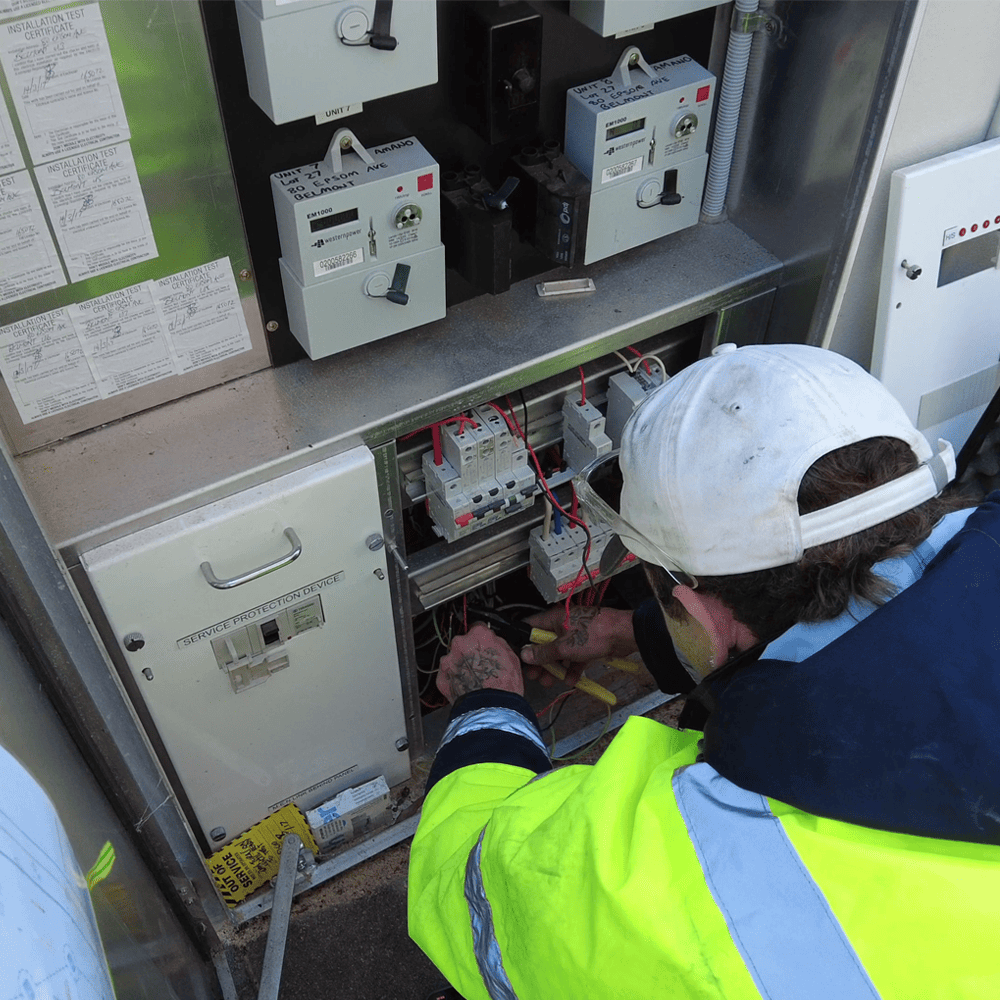
Switch rooms generate massive thermal loads because they house densely packed electrical switchgear running continuously in enclosed spaces. The sheer amount of current passing through the busbars creates substantial ambient heat. Cooling systems work overtime just to keep the internal temperature stable. When a connection comes loose, that heat spikes rapidly.
- Old cables with degraded sheathing quickly become an ignition source under high thermal stress.
- Overloaded circuits trip, but residual heat sometimes lingers long enough to spark nearby debris.
- Poorly ventilated sections within cabinets create hidden hot spots that standard smoke detectors miss.
- Dust ingress from the mining environment settles on components and acts as highly flammable tinder.
The Mechanics of Rapid Gas Delivery
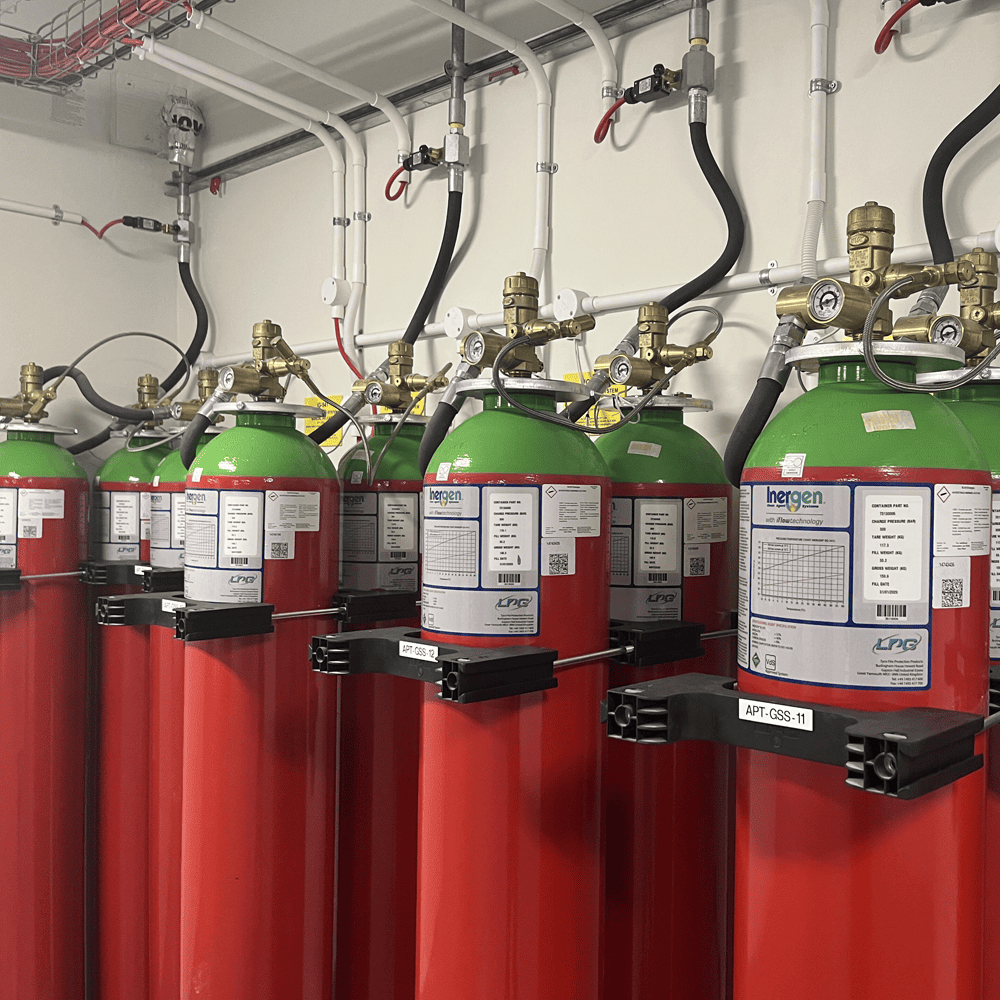
Gas delivery systems work by instantly dumping compressed fire retardants into an enclosure to rapidly extinguish the flames. The cylinders sit on heavy-duty weighing brackets right outside the room. Actuators punch open the valves when the control panel sends the release signal. The agent travels through a precisely calculated pipe network in milliseconds.
- Discharge nozzles sit strategically above the hazardous zones to ensure even gas distribution.
- The pipework requires rigid clamping to handle the violent kickback during a high-pressure discharge.
- Gas expansion causes an immediate temperature drop that cools the surrounding switchgear housings.
- The whole discharge sequence must finish within ten seconds to meet local fire codes.
Designing the Total Flooding Concept
Total flooding design involves calculating the exact internal volume of the room so gas concentration hits the required extinguishing threshold. Engineers measure every square metre, subtracting solid objects like large control cabinets. They calculate the amount of clean agent gas needed to hold the concentration for a set retention time. Australian standards dictate these specific concentration levels.
- The room must hold the gas for at least ten minutes to prevent re-ignition.
- Sealing the room properly involves patching every single cable penetration with fire-rated mastic.
- Door seals need constant checking because a damaged weather strip lets gas leak out instantly.
Integration with Site Alarm Panels
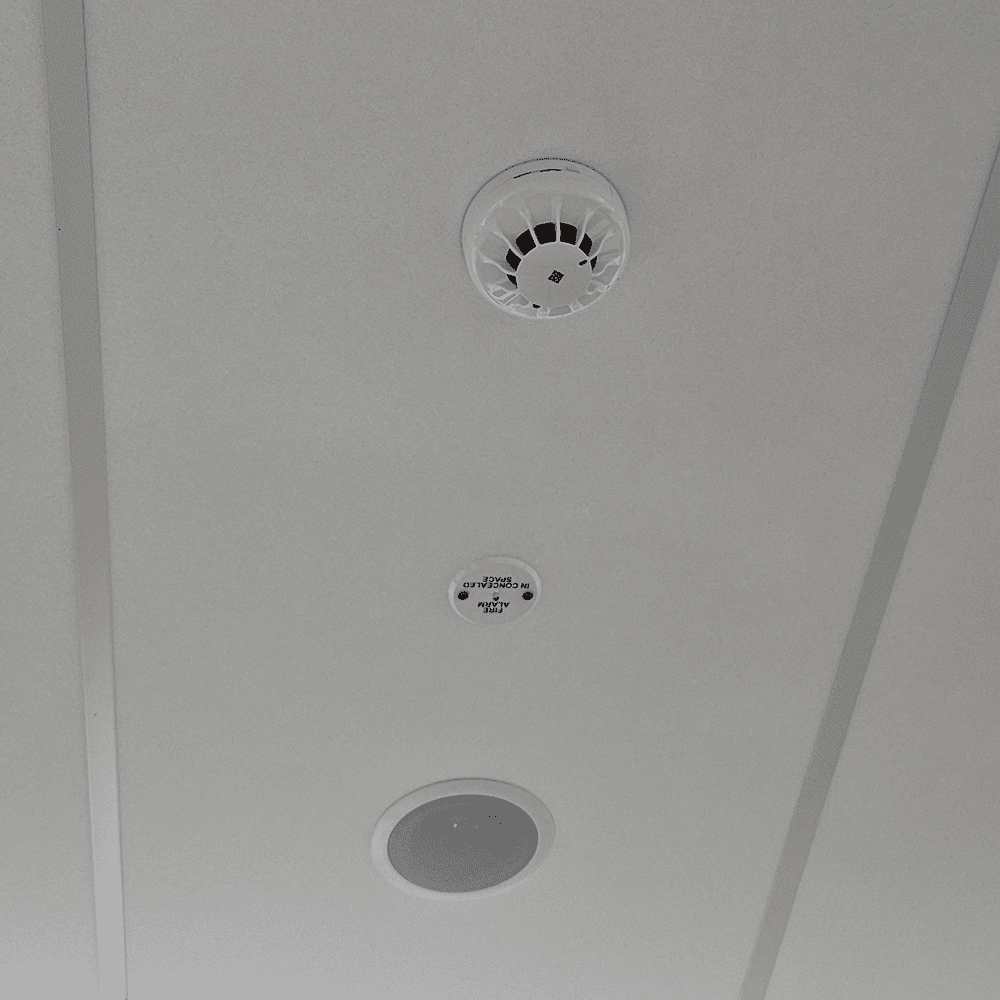
Integrating gas suppression with site panels involves wiring the release mechanism through a cross-zoned detection circuit to prevent false discharges. A single smoke detector shouldn’t trigger the gas drop. Panels need two separate zones to go into alarm before initiating the countdown. This logic stops a random puff of dust from dumping expensive gas.
The panel triggers a loud siren and a flashing visual warning. This gives anyone inside the switch room time to hit the manual abort button. The abort switch temporarily pauses the countdown while the operator holds it down. If they let go, the countdown resumes immediately.
False discharges usually happen during maintenance when someone forgets to isolate the panel. A technician might accidentally blow dust into a detector while cleaning a nearby tray. The cross-zoning setup adds a necessary layer of protection against simple human errors. It keeps the site out of trouble.
Frequently Asked Questions
What Causes False Discharges in Gas Systems?
False discharges usually stem from poor maintenance practices or failing to isolate the system during nearby hot work. Dust from grinders or welders easily tricks the optical smoke detectors. Implementing a strict isolation permit system stops most of these expensive accidents.
How Long Does the Room Need to Stay Sealed?
The room must remain fully sealed for a minimum of ten minutes after the gas discharges. This retention time allows the overheated electrical components to cool down safely. If operators open the door too early, the sudden rush of oxygen will reignite the fire.
Can Personnel Remain Inside the Room During Discharge?
The loud sirens provide ample warning to evacuate the space before the gas releases. While clean agents aren’t highly toxic, the sudden pressure changes and noise remain extremely disorienting. Personnel must leave the room immediately when the pre-discharge alarm sounds.
Wrap-Up
Protecting high-voltage switch rooms takes solid engineering and relentless maintenance. Gas systems do the heavy lifting when knocking down electrical fires fast. They save millions in potential downtime by keeping the vital infrastructure intact.