Getting a lawn through an Australian winter requires catching problems while the grass is still actively growing. Proper pre-winter lawn care focuses entirely on identifying structural and biological issues in late autumn. Field experience shows waiting until July to diagnose a dead patch means missing the recovery window completely.
What Does a Thorough Late Autumn Inspection Reveal
A detailed pre-winter inspection exposes hidden soil compaction, early-stage fungal activity, and invasive winter weed germination before they cause visible damage.
- Taking core samples reveals the exact depth of the root system.
- Checking leaf blades under magnification spots mycelium threads early.
- Measuring the soil ensures the pH sits right around 6.5.
- Mapping out shade patterns helps predict cold and damp zones.
- Inspecting irrigation heads prevents water-logging issues.
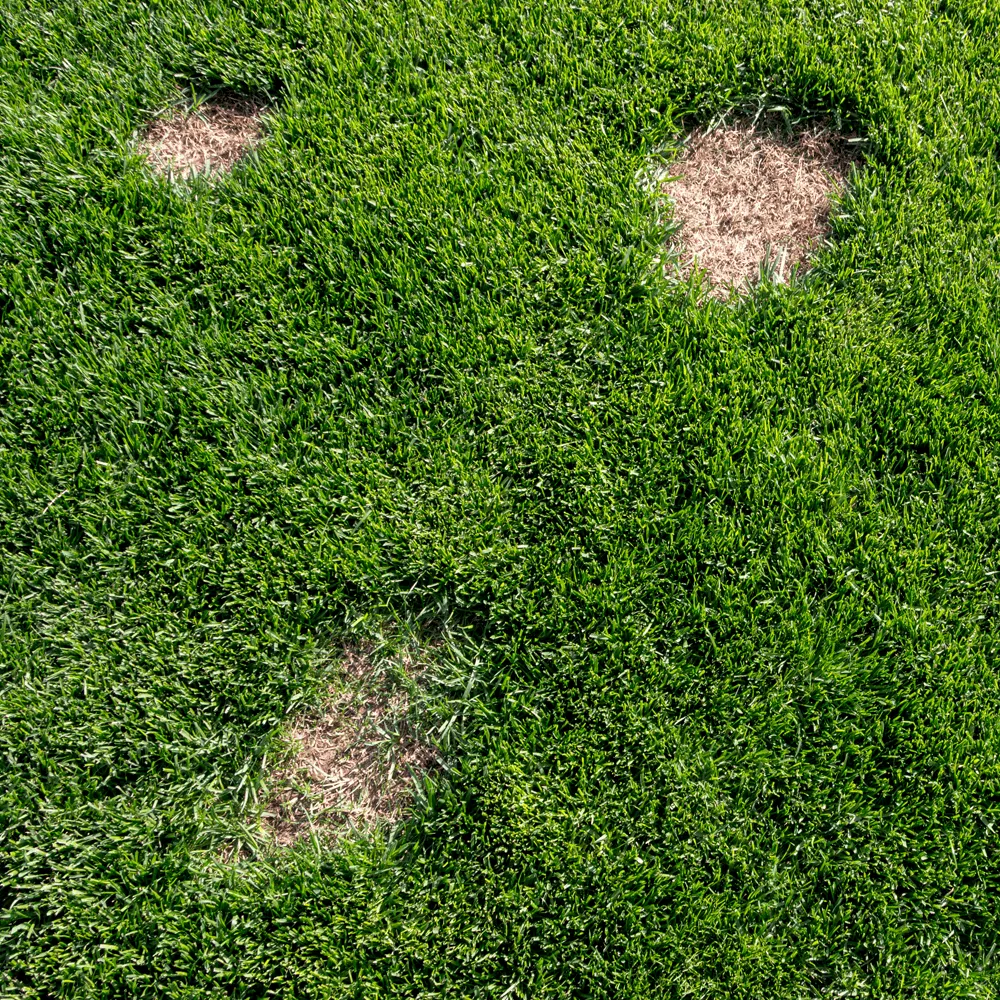
Identifying the Early Signs of Fungal Disease
Spotting fungal disease before winter involves looking for irregular discolouration, slimy patches, or webbing on the grass blades during the early morning dew. Fungal spores thrive when the nights get longer and the soil stays damp. Treating these pathogens when they first appear stops them from wiping out entire sections of dormant turf.
Things like brown patch and winter fusarium sit in the thatch layer waiting for the right humidity and temperature drop. An inspection involves getting down low to check the lower stems. If the stems are mushy or dark, the pathogen is already active.
Applying a preventative fungicide like propiconazole right after an autumn inspection often stops the spread completely. Waiting until the lawn is dormant makes recovery impossible. The turf simply isn’t growing fast enough to replace the diseased leaf tissue. Routine checks stop these diseases from ruining the entire yard.
Assessing Pest Activity Before Dormancy Sets in
Evaluating insect populations during late autumn prevents larvae from overwintering in the soil and destroying the root system from below. Pests actively feed to build up energy reserves before the cold weather arrives. Identifying these infestations early allows for targeted insecticide applications while the bugs are still vulnerable.
A proper inspection specifically looks for African Black Beetles hiding just below the surface. These beetles lay eggs that turn into highly destructive curl grubs. The grubs chew through the roots and leave the turf looking like loose carpet. Finding a few grubs early warrants immediate treatment.
Late-season Armyworm caterpillars also pose a massive threat before winter. They march across lawns at night, stripping the green leaf tissue down to the dirt. Checking the lawn with a torch after dark often reveals these caterpillars actively feeding. A quick knockdown spray eliminates them before they decimate the yard.
Evaluating Thatch Levels Before Winter
Measuring the thatch layer before winter reveals if a light scarify is needed to prevent the lawn from holding too much surface moisture. Thatch acts like a thick sponge sitting right on top of the soil. A tiny bit of thatch insulates the roots safely. Anything over 12 millimetres becomes a breeding ground for pests.
An inspection involves cutting a small triangular plug out of the lawn to look at the cross-section. The brown, spongy layer of dead runners and clippings becomes clearly visible. If it’s too thick, the winter rains never reach the actual soil profile.
How Soil pH Shifts Affect Winter Resilience
Evaluating soil acidity during an inspection determines if the turf can actually absorb the applied winter fertilisers. Soil pH naturally fluctuates due to rainfall, fertiliser breakdown, and organic matter decomposition. Fixing a highly acidic soil profile in late autumn ensures the grass roots can access essential nutrients over winter.
A lot of sandy profiles in Australia lean towards being acidic. When the pH drops below 6.0, the grass physically can’t take up potassium. This happens even if someone dumps bags of expensive fertiliser on it. An inspection using a quality pH probe takes the guesswork out of the equation.
The target is to keep the soil pH right around 6.5. If the readings come back low, applying agricultural lime or dolomite helps bring the levels up. This needs to happen well before the soil goes completely cold. The chemical reaction that corrects the pH needs a bit of soil warmth.
Frequently Asked Questions
When is the Best Time to Conduct a Pre-Winter Inspection?
The ideal window falls between late April and mid-May before the soil temperatures drop below 14 degrees Celsius. The grass is still actively growing during this period. This means it can actually absorb corrective treatments and recover from any required aeration.
What Tools are Needed for a Basic Lawn Inspection?
A 15-centimetre screwdriver helps check for compaction levels across different zones. A small trowel is useful for pulling soil plugs to inspect the thatch depth and root health. A simple digital pH meter rounds out the basic kit for checking soil acidity.
How Often Should Irrigation Systems be Checked During Autumn?
The reticulation system needs a full audit at least once during the autumn inspection phase. Operators look for sunken sprinklers, broken nozzles, and areas getting too much overlap. The controller schedule then gets dialled back significantly to match the shorter daylight hours.
Final Thoughts
An autumn inspection strictly focuses on setting up the soil and the root system to survive three months of cold stress. Finding compaction, early disease, and weed seedlings in May stops minor issues from becoming expensive disasters.