Executing proper autumn lawn care demands a strict approach to mechanical intervention before the ground cools down. The period spanning March to early May creates a rapidly closing window for plant recovery. Delaying heavy scarification leaves the grass completely exposed heading into the dormant season. Most operators reckon it’s best to act while daytime temperatures consistently sit in the low twenties.
Why Autumn Presents the Best Dethatching Window
Autumn provides the exact balance of declining heat stress and adequate remaining growth potential for rapid turf recovery. Grass requires active metabolic growth to repair the physical destruction caused by steel blades slicing through the plant runners. Striking the yard in peak summer usually scorches the freshly exposed topsoil. Waiting until the frosts arrive means the block stays bare and muddy for three solid months.
- Warm-season varieties demand about four weeks of warm weather to fully heal over the mechanical scars.
- Extracting the dead mat now allows heavy autumn rains to penetrate deeply rather than running off the surface.
- Granular fertiliser applications gain direct access to the root zone right when the plant stores energy for the cold.
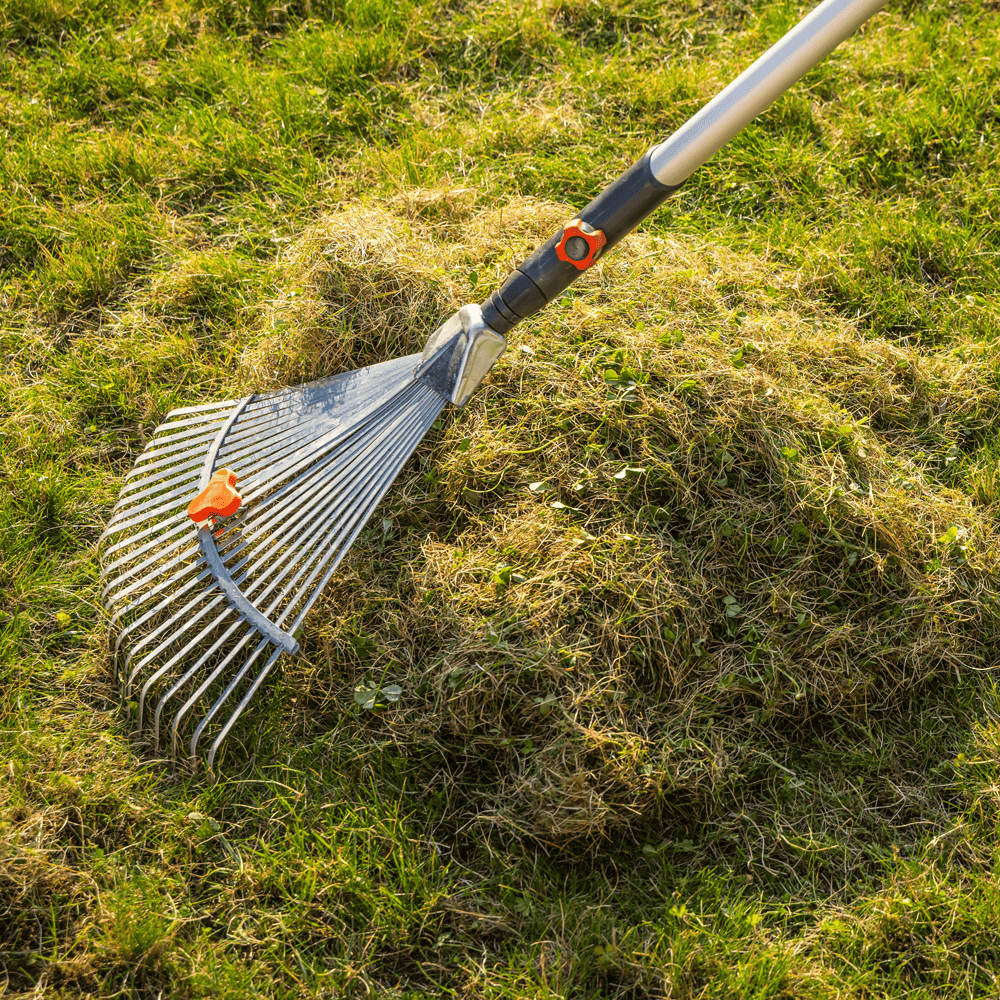
Identifying the 15-Millimetre Thatch Threshold
The standard trigger for mechanical removal occurs when the spongy organic layer exceeds fifteen millimetres in thickness. Walking directly across the turf provides an immediate physical indicator of this problem. A lawn feeling excessively soft or bouncy underfoot typically hides too much undecomposed plant matter. Taking a core sample gives the most definitive measurement possible.
- Driving a small metal soil probe into the ground reveals the exact depth of the brown layer.
- Noticeable water pooling on the surface after a minor rain shower often indicates the underlying mat has become highly hydrophobic.
- Frequent scalping during a standard mow suggests the mower wheels are sinking into the soft layer.
Machinery Choices for Specific Turf Varieties
Choosing the appropriate equipment depends entirely on the specific grass species and how it physically grows. Couch and kikuyu feature deep underground rhizomes that easily tolerate aggressive below-ground mechanical slicing. Buffalo grass requires a delicate approach because it grows entirely above ground via creeping stolons. Aggressively ripping into the dirt severely damages these vulnerable surface runners.
- Heavy flail-blade machines utilise swinging metal hammers that violently rip out heavy accumulation on neglected couch lawns.
- Spring-tine attachments should only flick just through the canopy when dealing with delicate buffalo grass.
- Commercial fixed-blade petrol scarifiers cut clean vertical slices into the dirt for thick underground runners.
Depth Settings and Mechanical Execution
The spinning blades must slice through the entire organic layer and score the soil surface by approximately three to five millimetres for couch grasses. Setting the heavy machine too deep violently rips out the entire plant structure. Setting the deck too shallow merely combs the grass leaves without actually touching the underlying agronomic problem. Running a quick test pass on an inconspicuous patch rapidly verifies the correct height adjustment.
Field operators usually start the deck high and lower the wheels incrementally. The main objective involves extracting the rotting material while leaving enough healthy runners for fast regeneration. Driving the machine over the area in a single direction provides a standard cleanout. Executing a secondary pass at forty-five degrees extracts severely stubborn material on highly neglected sites.
Frequently Asked Questions
How Often Should Dethatching Occur on Standard Residential Blocks?
Most standard residential lawns require thorough mechanical thinning every two to three years depending on local growth rates. Fast-growing warm-season varieties often need a light maintenance run every single autumn to prevent extreme organic buildup. Heavily shaded areas typically accumulate dead matter much slower and require far less frequent physical intervention.
Does Heavy Scarifying Damage the Existing Underground Sprinkler System?
The rapidly spinning steel blades certainly hold the potential to destroy shallow irrigation pipes and plastic pop-up heads. Marking all exact sprinkler locations with visible flags before starting prevents incredibly expensive repair bills. The machine cutting depth rarely exceeds a few millimetres, but exposed plastic fittings quickly get shredded instantly upon contact.
Can Regular Catcher Mowing Prevent Heavy Thatch Accumulation?
Frequent mechanical mowing with a catcher certainly slows down the steady accumulation of dead organic material. Constant mulch mowing contributes heavily to the problem if the native soil lacks the microbial activity to break down heavy clippings. Consistent weekly clipping removal provides the absolute best daily defence against rapid organic buildup.
Key Takeaways
Executing a proper mechanical cleanout before winter delivers the struggling root system maximum access to vital rainfall. Leaving a suffocating organic mat in place guarantees poor yard drainage during the wet dormant months. The initial visual recovery might take a few rough weeks. The deep structural benefits easily last for multiple years.