Industrial facilities demand massive mechanical output constantly. The electrical gear behind it cops a hammering every single day. Environmental monitoring systems act as the digital eyes of a building, tracking temperature and gas levels in real time to prevent mechanical failures.
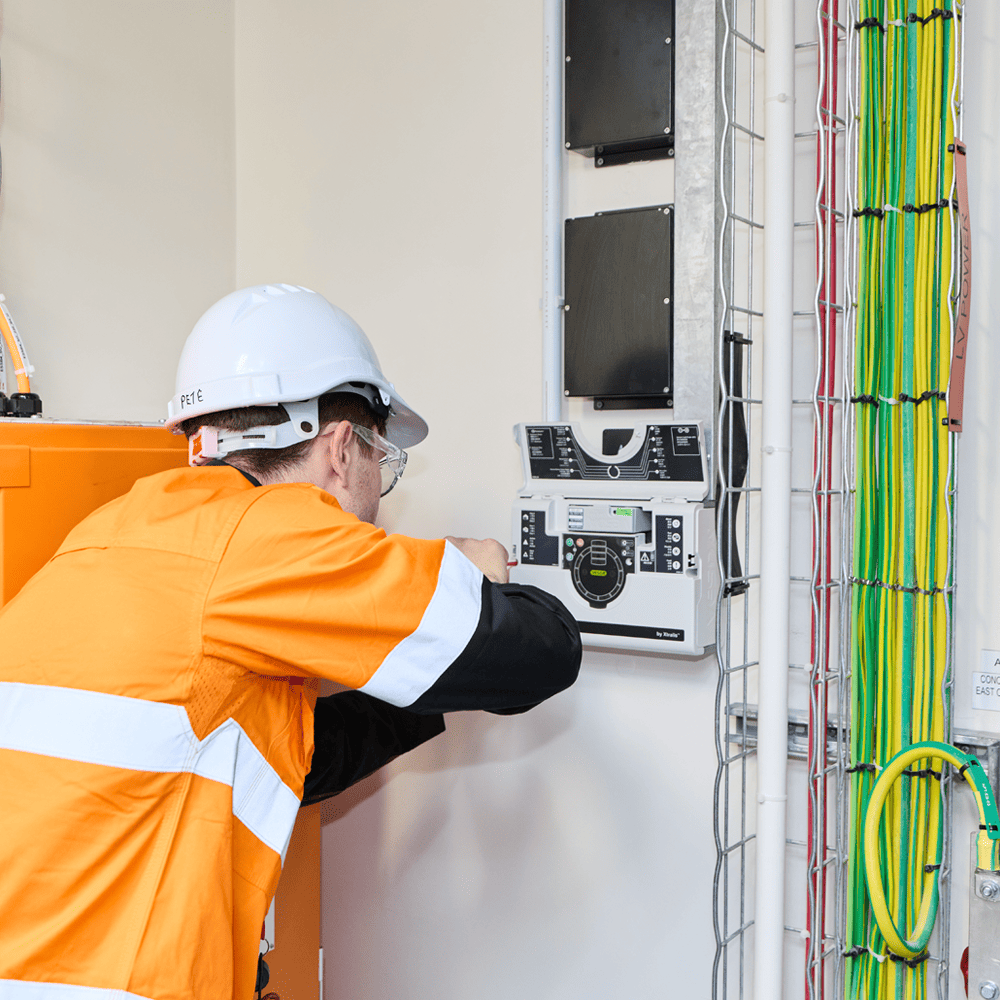
The brain of the entire operation sits directly within the HVAC controls and switchboard. When the power distribution and the automated logic communicate correctly, facilities avoid catastrophic downtime. A lot of older sites still run mechanical contactors and relays from the nineties.
How Smart Gear Improves Fault Detection
Smart systems improve fault detection by logging irregular current draws and gas spikes before mechanical parts actually break down. Technicians don’t need to chase phantom faults when the digital interface flags the exact variable air volume unit acting up. Old setups usually force operators to wait for a total breakdown. Modern HVAC controls and switchboard components pinpoint issues instantly.
- Monitoring individual phase currents reveals imbalanced fan motors early on.
- Direct digital control panels track pressure drops across physical air filters. Facilities managers then schedule replacements based on actual dust load rather than a calendar.
- Networked thermal sensors catch switchgear hot spots before a fire risks melting the entire panel.
Operators can look at a trend log and see a chilled water valve hunting open and closed. That specific data means they can tune the proportional integral derivative loop before the actuator motor burns out. Legacy sites meant waiting for an occupant to complain about the heat.
Catching small anomalies saves the big expensive gear. A compressor drawing ten percent more amps than last month indicates a mechanical problem. A dirty condenser coil or failing bearings usually cause this electrical spike. The system flags the unit for a service run automatically.
What Causes Old Electrical Gear to Fail
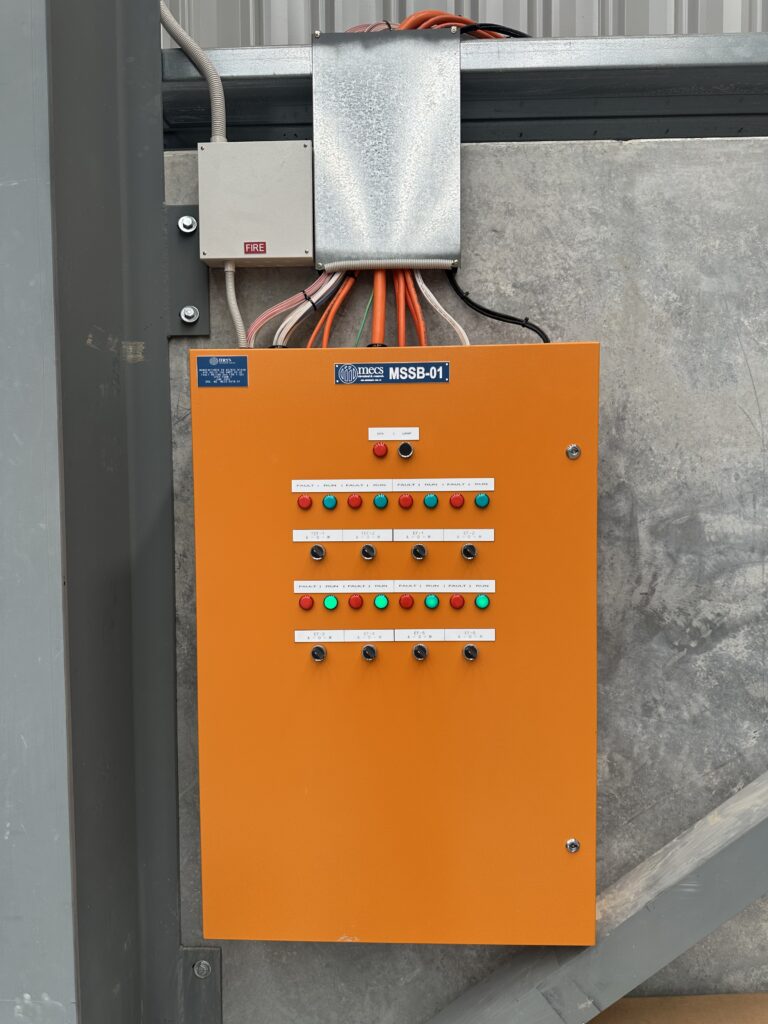
Legacy panels fail because they lack the capacity to handle the constant cycling of modern variable frequency drives. Old breakers and contactors degrade quickly from the harmonic distortion these newer drives introduce. Mechanical fatigue eventually causes the physical components to weld shut or drop out. Facilities teams then face massive repair bills and emergency call-outs.
- Standard thermal overloads drift out of calibration over the years. They start tripping below their rated current and cause annoying nuisance shutdowns.
- Dust ingress on older panels reduces the cooling efficiency of internal components. Heat ruins electrical insulation exceptionally fast.
- Adding new chillers to an aging electrical board often pushes the main breaker right to the edge of its trip curve.
A switchboard built in the eighties wasn’t designed for today’s complex non-linear electrical loads. The copper busbars might hold up fine under pressure. The protective overcurrent devices certainly won’t handle modern fault currents. Many older breakers take far too long to clear a short circuit.
That lag allows fault currents to cause serious damage to downstream equipment. Experienced switchboard builders know retrofitting new gear into old metal boxes carries massive risks. Sometimes the physical space just isn’t there for the required safety clearance. Current regulations demand strict segregation between low voltage control wiring and mains power.
How Greenstar Standards Dictate Design
Greenstar design standards dictate facility upgrades by requiring strict energy efficiency and advanced indoor air quality monitoring. Meeting these targets means tossing out simple thermostats and installing networked environmental controls. Modern mechanical designs must prove they don’t waste energy conditioning empty rooms. Most operators reckon compliance takes a massive initial investment.
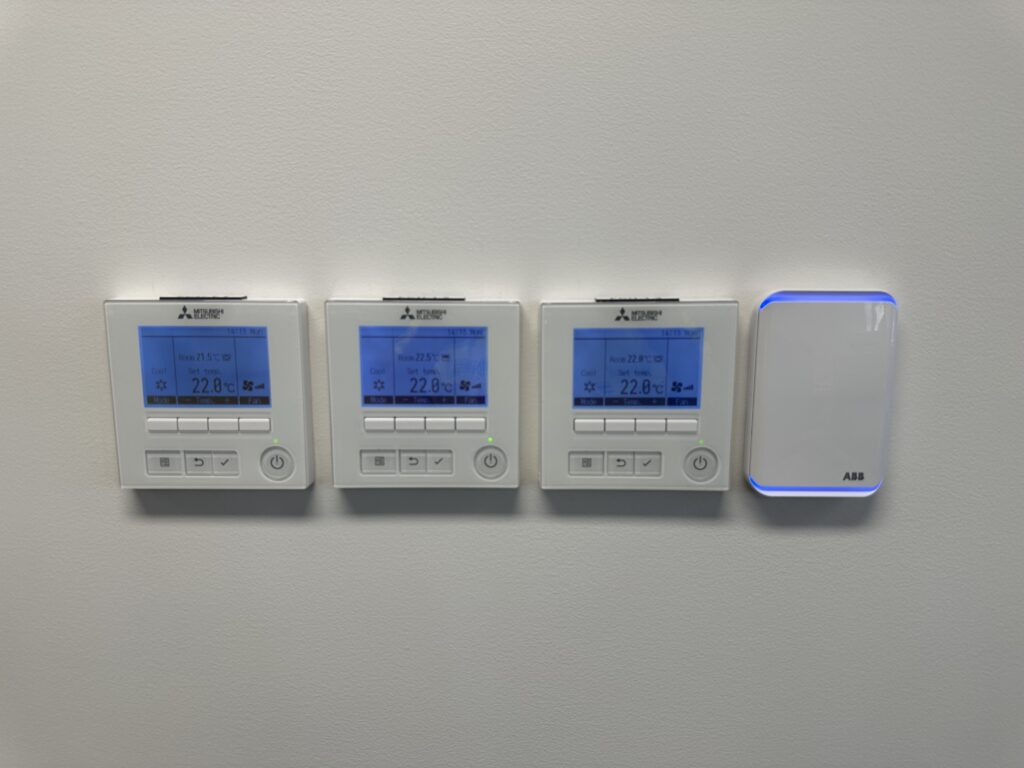
- Engineers now integrate smart carbon dioxide sensors directly with local air conditioning wall controllers.
- The system scales fan speeds dynamically based on the actual physical occupancy of a specific room.
- Air handling units run at an absolute minimum speed when a space sits entirely empty.
Hitting these high environmental ratings changes how developers approach building services. The initial capital expenditure stings, but the operational savings compound over the life of the asset. The system relies entirely on accurate data collection from the field devices. Poor sensor integration ruins the entire energy efficiency calculation.
Frequently Asked Questions
How long does a standard switchboard last?
A standard mechanical services switchboard typically lasts between twenty and twenty-five years under normal conditions. Components like contactors and relays fail much sooner depending on their switching frequency. Heavy dust or high ambient plant room temperatures reduce this lifespan significantly.
Why do modern drives cause panel issues?
Modern variable frequency drives introduce harmonic distortion into the local electrical supply. This distortion creates excess heat in older protective devices and cables not rated for non-linear loads. Upgrading the mechanical drives often requires upgrading the switchboard components to handle these specific electrical characteristics.
How do RGB carbon dioxide sensors work?
These sensors use a visual light system to display real-time air quality to room occupants. A blue light means good air quality, green indicates an economy running mode, and red signals high carbon dioxide levels. The system automatically ramps up the ventilation fans when the light shifts to red.
Wrap-Up
Running a large facility relies entirely on the reliability of the core electrical and mechanical infrastructure. Ignoring the plant room until it stops working guarantees massive repair bills and unacceptable site downtime. Upgrading the electrical panels and automation hardware brings predictability back to maintenance schedules.