Summer has a way of telling the truth. Patchy areas brown off, high-traffic lanes show up, weeds rush in, and anything that is only surviving on “good weather” gets found out. That is exactly why summer is a smart time to update your lawn’s flora, because you can see what is working and what is not, then make targeted changes while the growing season is still active.
A “flora update” does not have to mean ripping everything out. It can be as simple as thickening coverage, swapping out problem spots for tougher groundcovers, or adding small pockets of compatible plants that make the whole space more resilient. If you are already thinking about Australian lawn care as a year-round system (not just mowing and watering), summer is when your best decisions get easier, because the evidence is right in front of you.
Start With a Quick Flora Audit
Before you buy anything, take 20 minutes and walk the lawn like you are inspecting it for handover. The goal is to identify patterns, not judge the lawn for being a lawn.
A simple audit helps you stop guessing and start choosing flora that matches the site. It also helps avoid a common mistake in Australian lawn care, buying the “right” plant for the wrong place.
During the walk-through, note:
- Sun map: areas that get full sun, filtered sun, and shade (morning and afternoon can be very different).
- Water behaviour: where water pools, runs off, or disappears quickly.
- Soil clues: hard, dusty spots, spongy areas, cracking clay, or thin sandy sections.
- Traffic lines: where kids, pets, and people naturally cut across.
- Weed hotspots: where weeds always return (often a symptom of thin coverage or stressed turf).
- Edge creep: where turf invades beds, or beds invade turf, because boundaries are unclear.
Pick Your Upgrade Path: Thicken, Diversify, or Replace
Once you know what is happening, choose a direction. Most lawns only need one or two moves, not a complete reinvention.
Thicken
This is for lawns that are mostly fine, but thin in patches or struggling after heavy use. Thickening can be the cheapest and fastest result if the base turf is still the right fit for the site.
Thickening options include:
- repairing bare spots with turf plugs or runners
- improving soil contact (topdressing lightly where appropriate)
- adjusting mowing height to reduce stress
- tightening watering so roots chase moisture rather than sitting shallow
Diversify
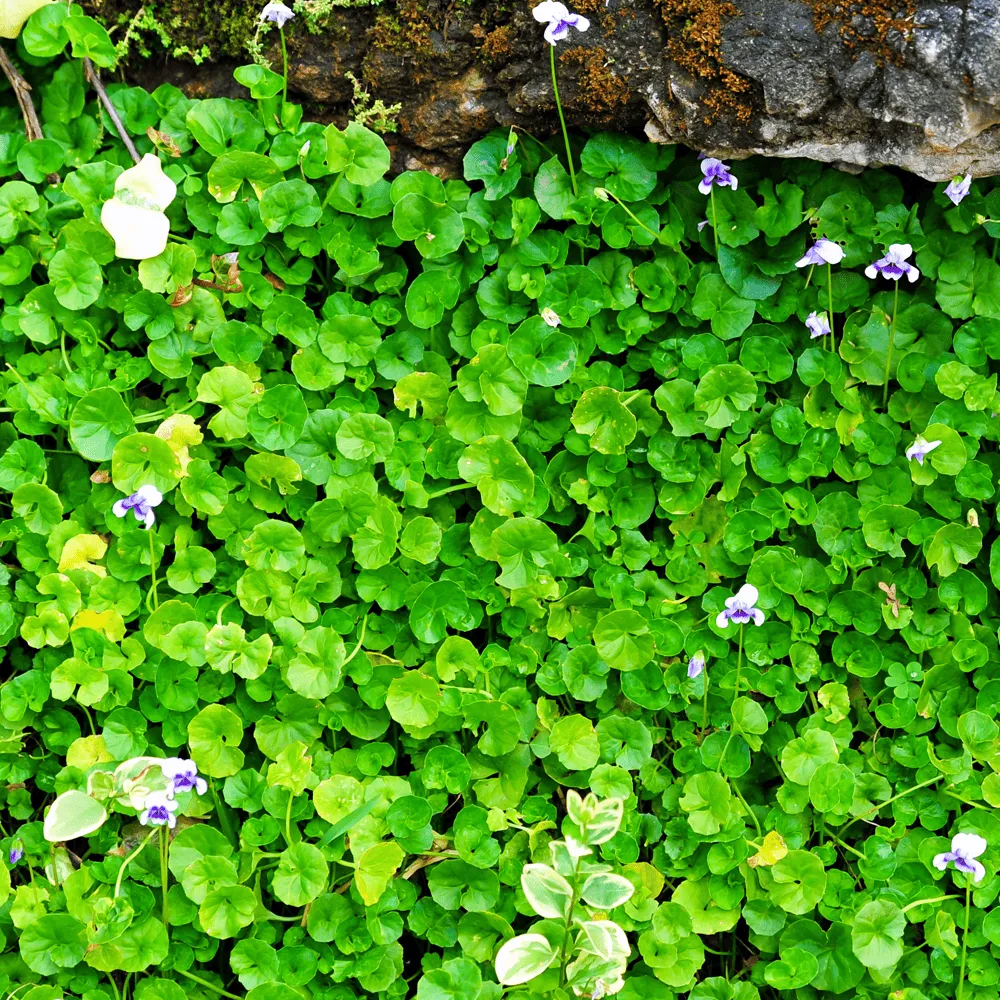
Diversifying means keeping turf as the main surface, but introducing compatible groundcovers, micro-areas, or border planting that reduces stress and improves resilience. This is often the best middle path if you want a lawn look without the lawn fragility.
Diversifying can look like:
- low-growing groundcovers in awkward corners and along fence lines
- small native pockets that handle heat and reduce reflective glare
- pollinator-friendly strips near garden beds, away from play zones
Replace
Replacement is for areas that are constantly failing. If a section bakes all day, gets compacted daily, or stays damp and shaded, you can keep throwing effort at it, or you can choose flora that actually suits those conditions.
Replacement does not need to be dramatic. Even swapping one problem strip for a tougher groundcover can make the whole yard feel easier, because you are no longer fighting the same battle every week.
Best Summer-Friendly Flora Options for Australian Lawns
Summer is not the time for delicate experiments. You want plants that can handle heat, recover well, and stay presentable with realistic care.
The best choices depend on your audit, but these directions tend to work well when the priority is durability and lower fuss.
Tough Groundcovers for Problem Patches
These are useful where turf struggles, especially edges, narrow side paths, and spots with uneven watering.
When choosing groundcovers, prioritise traits like:
- low growth habit and easy trimming
- tolerance for heat and irregular moisture
- dense coverage that shades soil (less weed opportunity)
- ability to handle light foot traffic (if needed)
Native and Climate-Ready Add-Ins
If you want a lawn that feels more “alive” and less like a single-species carpet, adding small clusters of climate-ready plants can help. These pockets can also reduce the all-or-nothing stress turf faces in extreme weeks.
Look for:
- plants suited to your sun and soil conditions
- varieties that do not dump messy litter into high-use areas
- compact forms that will not bully the lawn edge over time
Smarter Lawn-Adjacent Planting
Sometimes the best lawn flora update is not in the lawn itself, but right next to it. Border planting can reduce heat reflection, slow drying winds, and create more stable growing conditions along lawn edges.
This works best when it is intentional, not random. Keep it tidy, keep it compatible, and keep it placed where it will not become a trimming nightmare.
Building a Lawn That Supports Local Wildlife
A lawn can be more than something you mow. With a few tweaks, it can support insects, small lizards, birds, and the broader backyard ecosystem, without turning your yard into a wild thicket.
The trick is to create micro-habitats that do not clash with how you use the space. You can keep the centre practical and still add biodiversity around the edges.
A workable approach:
- Keep the main play surface simple: stable turf or durable groundcover where people actually walk.
- Create wildlife edges: flowering pockets or native strips along the boundary, not through the centre.
- Add shelter zones: low shrubs or layered planting in corners to reduce harsh exposure.
- Reduce spray reliance by lifting plant health: denser coverage often reduces weed pressure, which can lower how often you feel you need to intervene.
Soil, Water, and Heat: Set the Conditions First
A flora update fails when the conditions stay the same. If the soil is compacted, watering is inconsistent, and heat is bouncing off hard surfaces, even tough plants will struggle.
Focus on the three inputs that improve almost everything: soil structure, watering quality, and heat management.
Soil Structure
Soil that is hard and airless blocks roots. Summer foot traffic and drying cycles can make this worse, especially near gates, clotheslines, and paths.
Helpful moves include:
- reducing compaction in high-traffic zones (even small changes help)
- adding organic matter where appropriate to improve moisture holding
- avoiding heavy work in extreme heat, then doing smaller, smarter interventions earlier or later in the day
Watering Quality
More water is not always the answer. Better water habits are.
Better watering basics:
- water deeper, less often (within local restrictions and common sense)
- avoid frequent light sprinkles that encourage shallow roots
- adjust timing to reduce evaporation
- check coverage so you do not have “wet spots” and “never spots” in the same zone
Heat Management
Heat stress is not just air temperature. It is radiant heat, reflected heat, and soil surface heat.
Simple heat reducers include:
- increasing plant coverage so soil is shaded
- using mulch in adjacent beds to reduce heat load on lawn edges
- noting where hard surfaces are baking nearby (paths, walls, paving) and softening those edges with planting where practical
Edges and Hardscape That Make Flora Changes Stick
A lot of lawn upgrades fail at the edges. Turf creeps into beds, groundcovers spill into lawn, and the whole thing becomes a slow-moving argument.
Clean boundaries make maintenance easier and help plants stay where they belong. This is where materials matter, and aluminium can be a genuinely practical choice in the right setup.
Key Takeaways
Summer is the best time to update your lawn’s flora because stress reveals the truth fast, and that clarity makes your choices smarter. Start with a quick audit, pick a clear upgrade path, and focus on conditions like soil structure, watering quality, and heat management.