An electrical upgrade can start as a simple need, add a circuit, swap a board, expand capacity, tidy up nuisance trips, then quickly turn into a bigger job with real safety and operational risk.
The moment the work touches critical supply, switchboards, protection settings, or anything that can affect other parts of the site, it stops being a “quick fix” and becomes something that needs proper professional planning.
A well-managed electrical upgrade is not just about getting the lights back on, it is about making sure the site stays safe, compliant, and reliable once everything is running again.
What “Professional” Means in Electrical Work
People often use “professional” to mean someone who is experienced, but in electrical it also has a licensing and accountability element. In many scenarios, the right team is not just one sparky, it is a mix of licensed electricians, switchboard builders, test and commissioning techs, and sometimes an electrical engineer for design and verification.
A practical way to think about it is this:
- Licensed electrician for installation and testing within their scope
- Switchboard builder for custom boards, modifications, and verification paperwork
- Engineer when the job needs design sign-off, fault level assessment, protection coordination, or complex load calculations
- Specialist commissioning when critical systems (controls, generators, ATS, UPS, safety systems) need structured testing and handover
Safety Red Flags That Should Stop DIY Thinking
Electrical work can look straightforward right up until it is not. There are certain warning signs that should push you toward professional support immediately, even if the site is tempted to “just get it done” quickly.
If any of the following are happening, treat it as a hard stop:
- Burning smell near switchboards, outlets, or plant isolators
- Discoloured, melted, or brittle insulation on cables or terminations
- Tingling, minor shocks, or “buzzing” on metalwork, equipment frames, or taps
- Repeated tripping that is getting worse, not better
- Flickering lighting tied to load changes (especially motors starting)
- Evidence of water ingress into electrical rooms, pits, or enclosures
Even if the site keeps operating, these are signs that the system may be operating outside safe limits, or that a fault is developing. A professional can isolate the problem properly and prevent a small defect becoming a major incident.
When Capacity Limits Are Being Hit
A lot of upgrades are triggered by growth, new equipment, or changes in how a facility is used. The issue is that “it’s been fine for years” does not mean the electrical system has spare headroom.
Capacity-driven triggers often look like this:
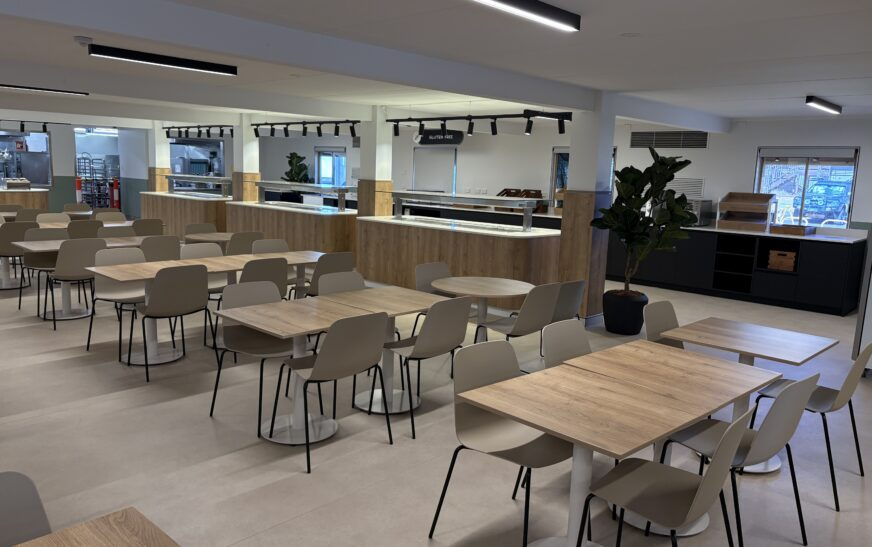
- New machinery, HVAC, or kitchen equipment being added
- Frequent “we cannot run all of this at once” workarounds
- Expansion of offices, amenities, or accommodation buildings
- More refrigeration load, more plug-in appliances, more charging points
- A site adding automation, comms racks, or larger pumps and fans
Once demand pushes past what the supply and distribution were built for, quick add-ons can create messy load sharing, overloaded circuits, and protection that no longer suits the system. Professionals can confirm maximum demand, identify pinch points, and plan staged upgrades that do not introduce new weaknesses.
Switchboards, Main Supply, and Protection Settings Need Experts
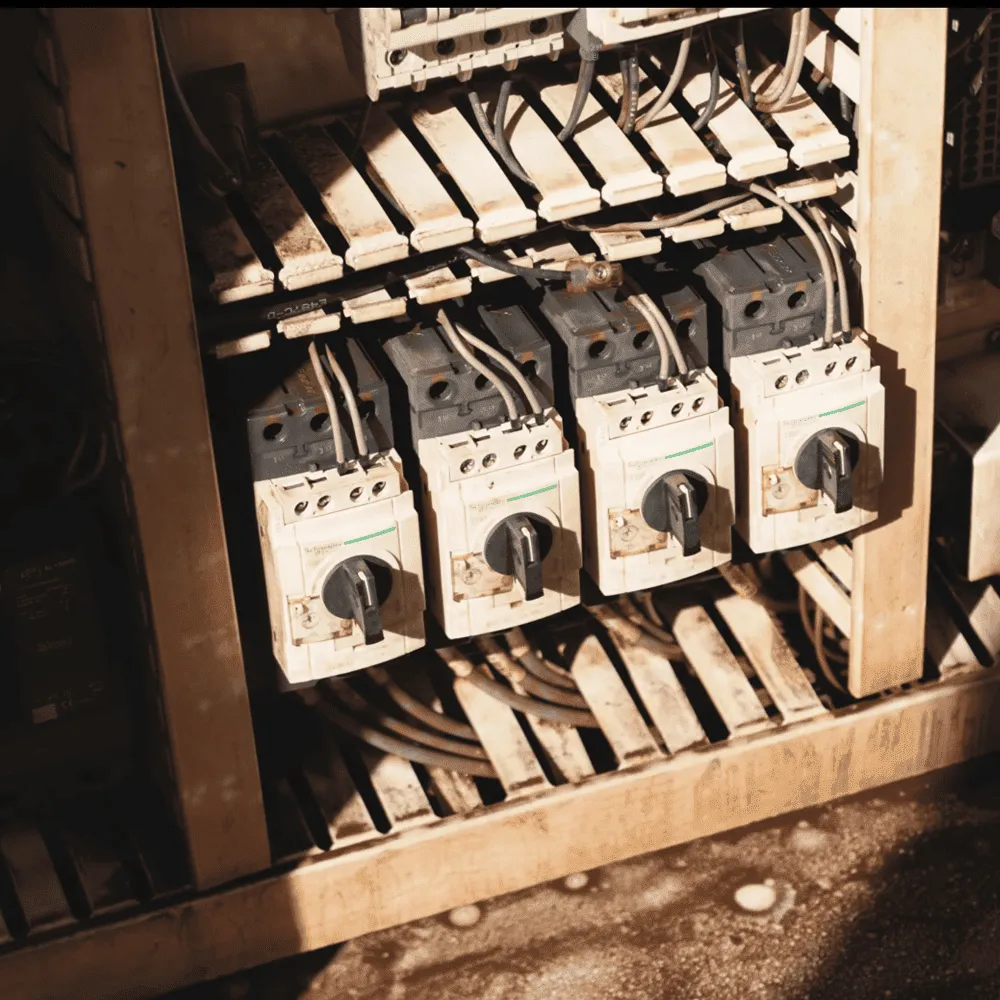
As soon as an upgrade touches switchboards, incoming supply, or protection devices, the job moves into a higher-risk category. Errors here can shut down large sections of the site, damage equipment, or reduce fault protection.
This is the sort of work that benefits from specialist support because it often involves:
- Fault level assessment and equipment ratings
- Main switch upgrades, busbar changes, or new sections added to boards
- Protection settings that must coordinate with upstream devices
- Changes that affect discrimination and nuisance trip behaviour
- Labelling, circuit schedules, and as-built documentation that must match reality
Even if a board replacement looks like a one-for-one swap, sites often discover undocumented changes, mixed cable sizes, or legacy circuits that do not match drawings. That is where experienced crews and proper commissioning processes save time and stress.
Live Sites and Staged Cutovers Are Not a Side Job
Keeping operations running during upgrade works is a different skill set to doing an installation in an empty building. Live sites need careful staging, temporary supplies, planned cutovers, and a rollback plan if something does not go to plan.
If the facility cannot tolerate downtime, professionals should be involved early to manage:
- Essential load separation (what must stay on, what can drop)
- Temporary power arrangements (including earthing and protection)
- Isolation plans, switching sequences, and permit coordination
- Cutover windows and stakeholder notifications
- Testing steps before re-energising and introducing load
A common mistake is leaving “how we keep it running” until the week of the cutover. That is when temporary power becomes rushed, and rushed electrical work is where mistakes show up.

Compliance and Verification Triggers
Some upgrades are forced by compliance, insurance, or audit findings. Others become compliance projects because the scope crosses a threshold, such as a new main switchboard, significant alterations, or changes that affect safety systems.
Professional input is usually needed when:
- An audit or inspection has flagged non-compliant equipment or conditions
- The site needs documented testing results and verification
- Safety systems interface with the electrical scope (emergency lighting, fire systems, smoke control)
- There is a need for updated single-line diagrams, test sheets, and certification
- The scope includes hazardous areas, wet areas, or harsh environments
Compliance is not just ticking a box. It is also about making sure future maintenance is safe, and that the next contractor can understand what was done without guessing.
Key Takeaways
Turning to professionals is less about formality and more about risk control. If an electrical upgrade touches switchboards, protection, main supply, essential services, or a live operational environment, professional planning and commissioning are what keep the site safe and running.