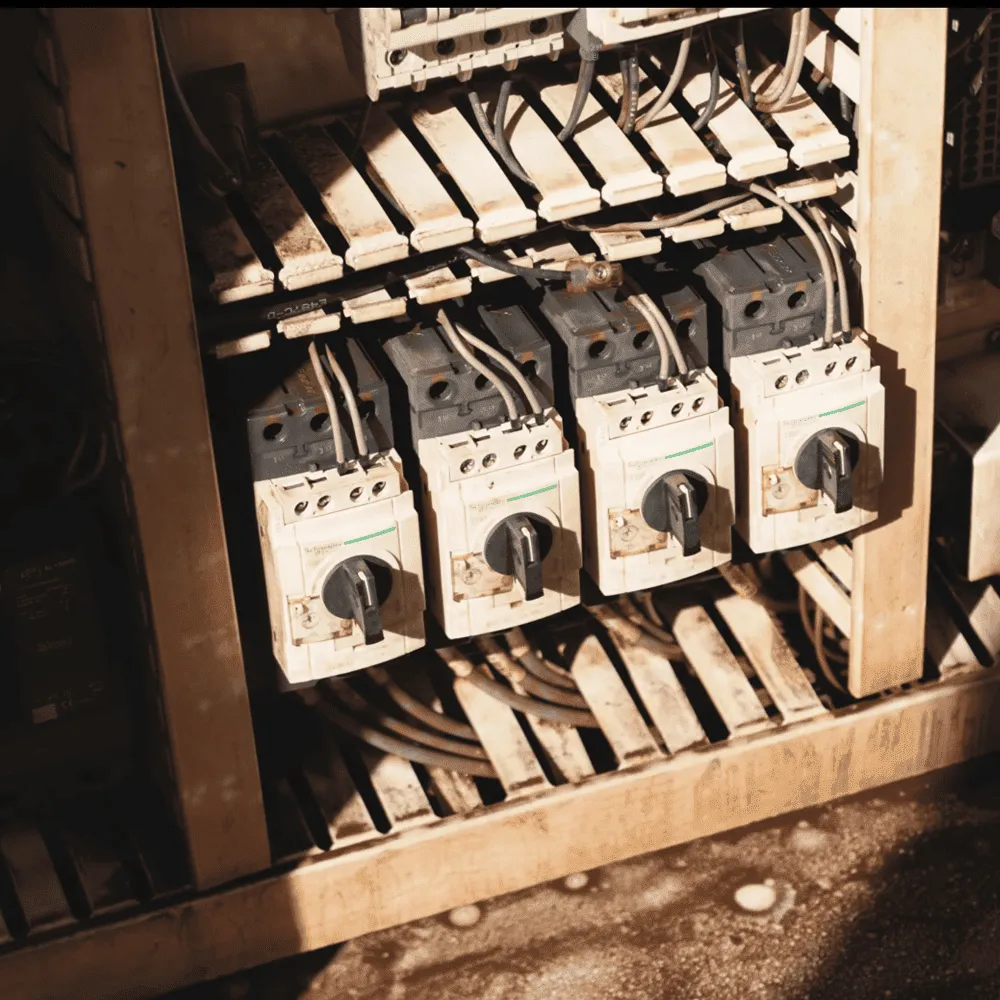
Every business requires essential equipment, vehicles, or technology to function efficiently, but not all have the capital to pay for these assets upfront. This is where asset finance becomes a valuable tool, allowing businesses to access necessary resources without depleting their cash reserves.
By spreading costs over time, companies can maintain financial stability while benefiting from the latest equipment. However, knowing when to use asset finance is crucial for making sound financial decisions that support sustainable business growth.
Understanding Asset Finance
Asset finance is a funding method that enables businesses to acquire assets by making periodic payments instead of a lump-sum purchase. This approach helps manage cash flow while ensuring that companies can access the tools they need to operate effectively. Asset finance is commonly used for acquiring machinery, vehicles, office equipment, and industry-specific tools.
When Should Businesses Consider Asset Finance?

Although asset finance can be advantageous in many scenarios, there are specific situations where it is particularly beneficial:
1. Protecting Cash Flow
One of the primary advantages of asset finance is that it helps businesses maintain liquidity. Large upfront purchases can significantly impact cash reserves, potentially leaving a company vulnerable to financial strain. By financing an asset, businesses can allocate capital more effectively across operational needs.
2. Avoiding Heavy Upfront Expenditures
Small businesses and startups often struggle with the high costs of purchasing essential assets outright. Asset finance provides an alternative by allowing these businesses to spread the cost over time, making it easier to balance financial commitments.
3. Staying Up to Date with Technology
Businesses operating in technology-driven industries must keep their equipment current to remain competitive. Asset finance allows companies to upgrade their equipment without the burden of large one-time payments, ensuring they do not fall behind due to outdated tools.
4. Supporting Business Expansion
When a business is growing, it often requires additional equipment, vehicles, or technology. Asset finance enables companies to acquire what they need without putting excessive strain on their financial resources, allowing them to expand operations efficiently.
5. Managing Seasonal Business Needs
Businesses that experience seasonal revenue fluctuations can benefit from asset finance by obtaining necessary assets without major cash outlays. This ensures they can continue operating smoothly even during off-peak periods.
6. Gaining Tax Advantages
Asset finance can also offer potential tax benefits. Lease payments on business equipment can often be deducted as operating expenses, reducing overall taxable income.
7. Keeping Credit Lines Open
Using asset finance instead of traditional business loans allows companies to preserve their credit lines for other strategic needs. This ensures businesses have financial flexibility for emergencies or growth opportunities.
8. Establishing Predictable Expenses
Having a fixed repayment structure makes budgeting easier. Businesses can plan their financial commitments with confidence, knowing they will not face unexpected costs associated with asset purchases.
Types of Asset Finance

There are several asset finance options, each catering to different business needs. Common options include:
1. Hire Purchase
Hire purchase agreements allow businesses to acquire assets by making scheduled payments over time. Once the final payment is made, ownership of the asset transfers to the business. This is ideal for companies looking to own the asset eventually while managing costs effectively.
2. Finance Lease
A finance lease enables businesses to use an asset while making fixed payments over an agreed period. At the end of the lease term, companies can choose to purchase the asset, extend the lease, or return it. This option provides flexibility without long-term ownership commitments.
3. Operating Lease
An operating lease is a short-term financing option where businesses lease assets for a set period without the intention of ownership. This is beneficial for companies that frequently upgrade equipment, such as IT firms and logistics providers.
4. Chattel Mortgage
A chattel mortgage allows businesses to secure a loan for purchasing an asset, with the asset itself serving as collateral. The business owns the asset from the outset while repaying the loan in instalments. This is suitable for companies wanting immediate ownership with a structured repayment plan.
Key Considerations Before Using Asset Finance
Determining whether asset finance is the right choice involves evaluating several factors:
1. Business Necessity vs. Luxury
Assess whether the asset is a necessity for business operations or an optional upgrade. Asset finance should be reserved for purchases that enhance productivity and profitability.
2. Financial Implications
Analyse whether financing the asset aligns with your long-term financial strategy. Consider repayment terms, interest rates, and the potential return on investment.
3. Asset Longevity
Consider the expected lifespan of the asset. If it will retain its value for many years, ownership-based options like hire purchase or chattel mortgages may be beneficial. If the asset will become obsolete quickly, leasing options might be more practical.
4. Budget and Cash Flow Impact
Ensure that the repayment structure aligns with your company’s financial capabilities. A financing plan should not cause cash flow problems or disrupt essential business functions.
5. Industry-Specific Considerations
Certain industries, such as construction, manufacturing, and logistics, require expensive equipment to remain competitive. Asset finance provides a practical solution for businesses in these sectors by ensuring they have access to the latest machinery and vehicles.
Final Thoughts
Asset finance is a powerful financial tool that enables businesses to acquire essential equipment while maintaining cash flow. It provides flexibility, supports business growth, and helps companies remain competitive by ensuring they have access to up-to-date assets. Whether your business is looking to upgrade technology, expand operations, or manage seasonal fluctuations, asset finance can be a strategic solution. By carefully assessing financial needs and repayment capabilities, businesses can make informed decisions that drive success.