Not every project needs premium material, and not every job deserves the cost and lead time that sometimes come with higher-grade stock. There are plenty of situations where low-quality aluminium flat sheets are the better choice, provided you understand what you are trading off and you are not asking the sheet to do more than it reasonably can.
The key is being deliberate. Use low-quality aluminium flat sheets when the risk is contained, the finish is not critical, and the part is easy to replace or revise.
What “Low-Quality” Usually Means in Practical Terms
“Low-quality” can mean different things depending on how the sheet was produced, stored, and sold. Sometimes it is a known budget grade. Sometimes it is unknown alloy and temper. Sometimes it is simply cosmetically rough, with scratches, staining, or waviness that would be unacceptable for visible work.
For decision-making, it helps to think in terms of which quality factors matter to your job. If your job does not rely on flatness, surface finish, tight tolerances, consistent bends, or long-term appearance, you can often step down in sheet quality without meaningful consequences.
Common traits you might accept in lower-grade sheet include:
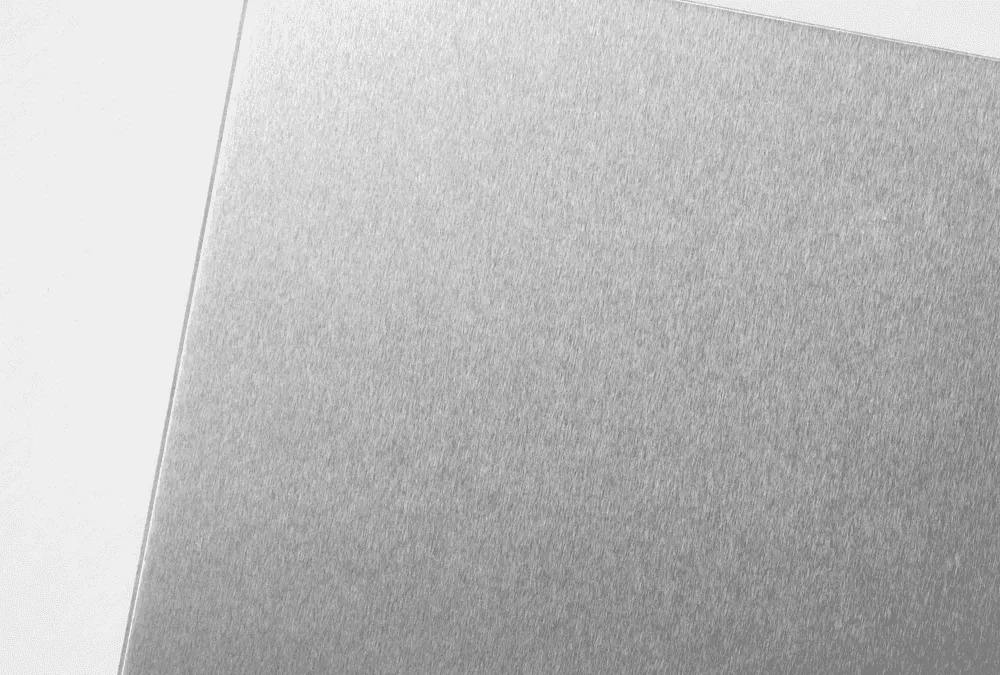
- More surface marks (scratches, scuffs, roll lines)
- Mild waviness or oil-canning
- Slight thickness variation
- Less consistent response to cutting or bending
- Edges that need more cleanup after processing
The practical question is simple: will these traits create extra labour, rework, or risk in your application? If the answer is “not really,” then low-grade aluminium flat sheets can be a smart, cost-controlled choice.
When Cosmetic Finish Does Not Matter at All
Some parts are never seen once installed, or they live in environments where appearance is not a priority. If the sheet is hidden behind other components, enclosed, painted with heavy-build coatings, or only used as a backing plate, surface perfection becomes a luxury rather than a requirement.
This is one of the safest times to choose low-quality aluminium flat sheets because you are not paying for a surface you will not use.
Examples where cosmetic finish is usually irrelevant include:
- Internal covers, baffles, and divider plates inside equipment
- Backing plates behind timber, composite, or other cladding
- Internal bracing or stiffeners that are not visible
- Protective kick plates in non-public areas that will get scuffed anyway
- Temporary shield plates used during site works
Even in these cases, you still want the sheet to be suitable for the job in basic strength and thickness, but you can often ignore minor surface marks.
When the Part Is Temporary, Disposable, or Easy to Replace
If the part is designed to be temporary, replaced on a schedule, or swapped out when it gets damaged, paying for premium sheet can be overkill. Many workshops and sites use aluminium flat sheets for sacrificial or short-lived components because aluminium is generally quick to cut and drill, and it does not rust the same way as steel.
Low-quality aluminium flat sheets make sense when you expect wear, impact, or abuse and you do not want to overspend on a part that will not last long anyway.
Typical use cases include:
- Temporary floor protection plates and cover sheets
- Trial fit panels and mock-up components
- Shipping guards and transit covers
- Short-term signage backers where appearance is not critical
- Low-cost splash shields in workshop environments
The logic is straightforward: accept a rougher sheet, keep the design simple, and plan for replacement if needed.
When You Are Prototyping and Still Changing the Design
Prototyping is where cost control matters, because iteration is expected. If you are still validating dimensions, testing fit-up, checking clearances, or proving out a folding pattern, you do not gain much by using the best sheet in the rack. You gain speed by building the first version cheaply and learning what needs to change.
Low-quality aluminium flat sheets are often the better choice for early builds because they reduce the financial sting of scrap and rework. The trick is to shift to better material once the design stabilises.
A sensible prototype approach often looks like this:
- Build early test parts from budget aluminium flat sheets
- Confirm dimensions, hole positions, and assembly sequence
- Validate whether bends are needed, and what radii work
- Prove mounting methods and access requirements
- Upgrade material only when the part is repeatable and final
This keeps the learning phase cheap and fast, and it prevents you from burning premium stock on parts that are destined for the scrap bin.
When You Are Cutting Simple Shapes with Loose Tolerances
Many aluminium sheet jobs are basic, flat, and forgiving. If you are cutting rectangles, strips, gussets, spacers, or simple plates that do not need tight tolerances, you can often use lower-grade aluminium flat sheets without issues.
The more you rely on precision, flatness, and repeatability, the more sheet quality matters. If you are not relying on those things, you can step down.
Examples of forgiving, low-risk parts include:
- Packing shims and spacers
- Basic mounting plates with oversized holes
- Edge protection strips
- Simple guards where the aesthetic does not matter
- Flat brackets that will be hidden or painted
In these cases, your main focus is thickness and basic stiffness. Minor waviness and surface marks are rarely worth paying extra to avoid.
Key Takeaways
Low-quality aluminium flat sheets can be the better choice when the job does not depend on perfect flatness, premium finish, tight tolerances, or complex fabrication steps. They are especially useful for temporary parts, prototypes, hidden components, workshop fixtures, and training materials.