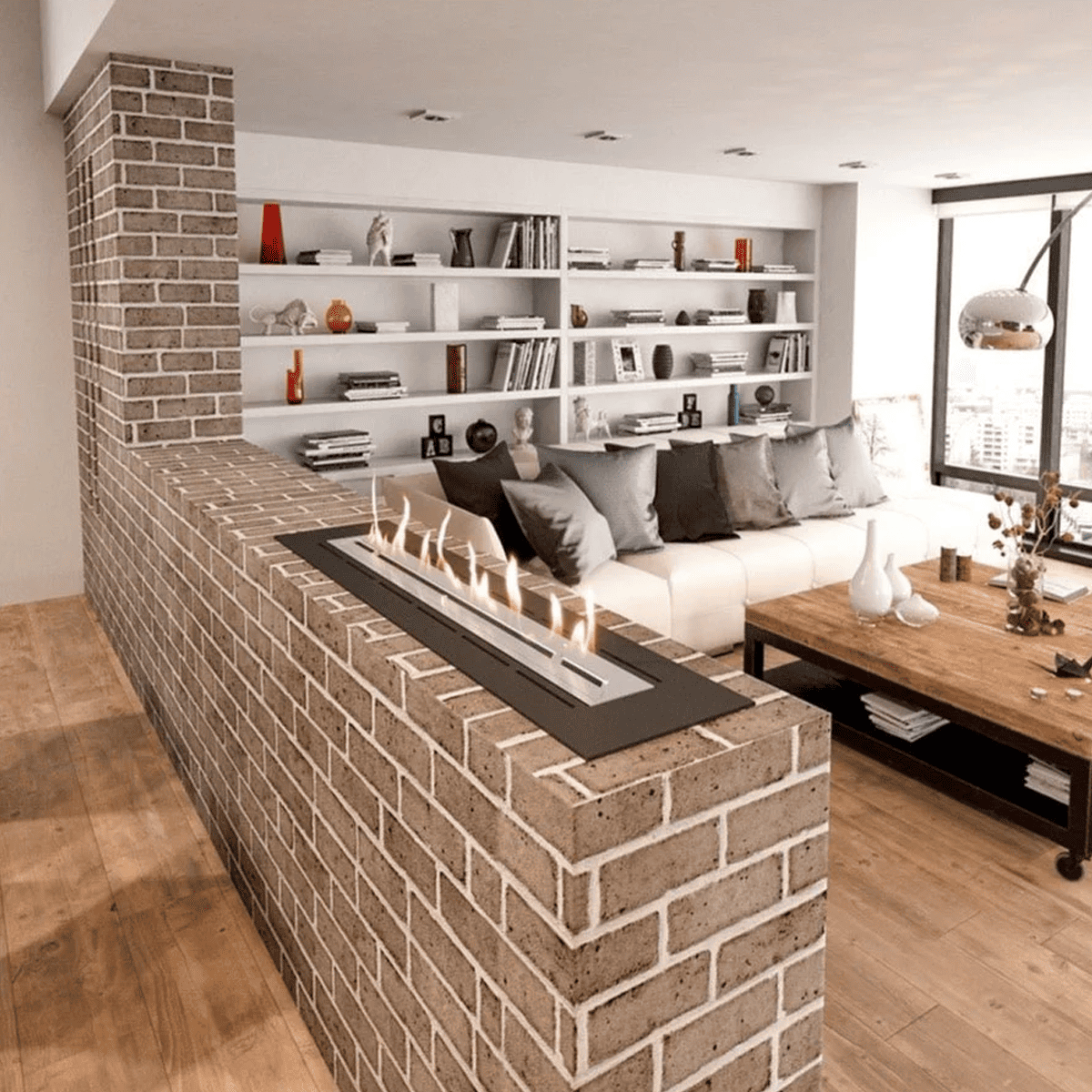

Gas log fireplaces are often blamed when living rooms feel underwhelming on cold nights. In most Australian homes, the real issue sits upstream in the ducted heating system. When filters clog, fans tire, or ducts leak, pressure and airflow shift across the house. Those shifts show up at the fireplace as lazy flames, glass haze, soot marks, smells that linger, and rooms that refuse to warm evenly.
Let’s look at how neglected ducted heating creates visible fireplace issues, the specific checks that fix them, and a maintenance rhythm you can follow through winter.
Why Ducted Heating Comes First
A gas log fireplace is a point heater with a combustion chamber and a balanced flue. It relies on the surrounding room having stable air pressure and sensible background warmth. Ducted heating sets both conditions. If ducted heating runs smoothly, the fireplace lights fast, holds a clean flame, and adds a comfortable top-up in the area where you sit. If ducted heating is neglected, the fireplace becomes a band aid for pressure faults and cold draughts. Repairing the upstream system is the quickest way to restore performance.
How Neglected Ducted Heating Shows Up at The Fireplace
When ducted heating maintenance falls behind, symptoms appear at the fireplace that look like appliance faults. Understanding the link saves time, money, and repeat callouts.
- Unstable flame shape. Leaky returns or crushed ducts alter room pressure. Flames flicker or lift when bathroom or kitchen exhausts run.
- Glass haze and soot. Dust bypass from a clogged return filter settles on burner ports and logs. The result is fogging soon after start-up and fine soot lines at glass corners.
- Slow warm-up and cold backs. A tired supply fan or unbalanced registers leave dead zones. The fireplace pumps heat into a draughty space and never quite catches up.
- Short cycling of central heating. If the thermostat sits within radiant view of the fireplace, it shuts ducted heating early, leaving bedrooms cold while the living area overheats.
The Airflow and Pressure Basics You Can’t Skip
Air needs a clear path from supply registers to the return. Pressure should stay close to neutral in the fireplace room. Neglect breaks both rules. Fixing them is simple once you focus on ducted heating first.
- Keep returns clear. Furniture, boxes, or rugs over return grilles starve the system. Starvation changes combustion behaviour at the fireplace and makes flames lazy.
- Protect supply paths. Closed registers, crushed flexible ducts in the ceiling, and blocked floor grilles force air to take the wrong path. That creates noisy, uneven flow.
- Support transfer air. Door undercuts or transfer grilles matter. Without them, closed doors create negative pressure that pulls against the flame and fogs the glass.
Filters: Small Parts, Big Consequences
A return filter looks humble, but it sets the dust load in your living areas. Once dust bypasses the filter, it settles everywhere, including the fireplace’s pilot assembly and burner ports. That is why filter discipline is central to both ducted heating health and fireplace reliability.
Make these habits routine:
- Replace or clean the return filter at the start of winter, then check monthly.
- Use the size and grade recommended for your system to avoid starving the fan.
- Keep the return grille face vacuumed so fluff does not get sucked into the frame.
Fan Health and Why It Changes Comfort
The supply fan is the muscle in ducted heating. When bearings dry out or blades load with dust, airflow drops and noise rises. The living room feels lumpy and draughty, which pushes you to run the fireplace higher for longer. A serviced fan with correct speed and clean blades restores smooth background warmth so the fireplace can cruise.
What a technician should check:
- Fan speed and current draw under load.
- External static pressure to confirm ducts are not choking flow.
- Mounts, bearings, and wheel cleanliness.
- Start capacitor value where applicable.
Duct Leaks, Kinks, and Why They Cost You Twice
Leaky or damaged ducts waste heat into the roof space. They also steal air from rooms that need it. You pay twice, once in gas or electricity and again in lost comfort. The fireplace then works harder to compensate and still cannot fix the imbalance.
Common trouble spots to inspect:
- Disconnected boots at ceiling registers.
- Long flexible runs with tight bends or kinks.
- Poor tape jobs at junctions and plenums.
- Rodent damage or crushed sections under storage.
Zoning and Thermostat Placement That Makes Sense
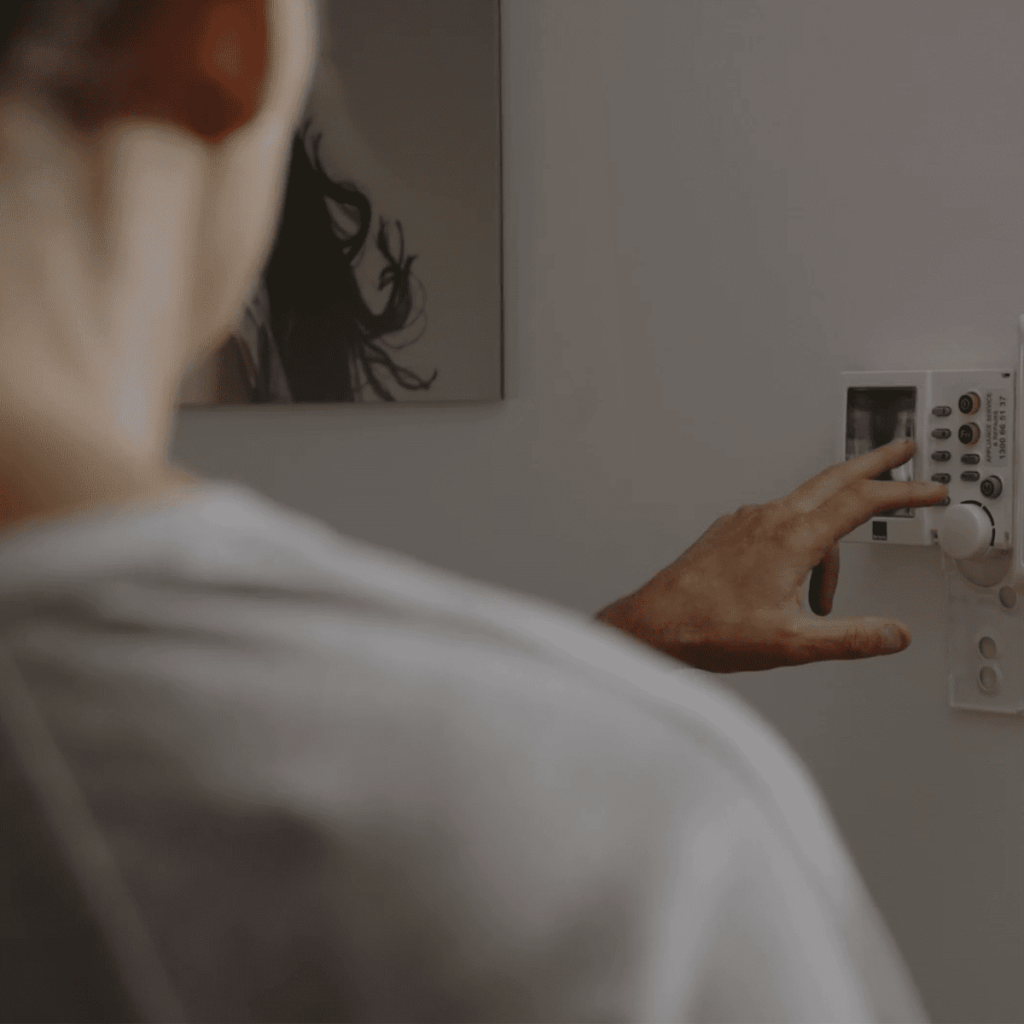
If you run zoning, make sure each zone has the return path to match. A zone with plenty of supply and no return will pressurise and blow heat under doors and into gaps. That turbulence disrupts the flame at the fireplace and makes glass haze more likely. Thermostat placement matters too. Keep the main control away from direct fireplace radiation so ducted heating does not short cycle and leave other rooms cold.
Quick placement tips:
- Mount the thermostat on an interior wall away from the fireplace line of sight.
- Avoid direct sun, tall lamps, or entertainment units that trap heat.
- Label zones clearly and keep at least one return path open per active zone.
Clear Wins You See After Ducted Heating Service
A single focused service on ducted heating creates visible changes at the fireplace. These are the results homeowners report most often.
- Flames settle to a steady blue with soft yellow tips.
- Glass stays clear longer and needs less cleaning.
- Start-up is crisp, with fewer retries or hard pops.
- The room warms evenly instead of hot in front and cold at the back.
- The fireplace can run at a lower setting for the same comfort.
You will notice the phrase ducted heating appear through this guide on purpose. Ducted heating is the upstream system that sets pressure and background temperature. Once it is healthy, the fireplace looks after itself with minimal fuss.

A Seasonal Service Plan That Actually Gets Done
Plans work when they are simple. Tie actions to seasons and split the work between homeowner tasks and licensed work. The goal is to keep ducted heating reliable and let the fireplace do what it does best.
Homeowner list
- Replace the ducted heating return filter at the start of winter. Set a reminder to check monthly.
- Walk the house with the fan on and note weak or noisy registers.
- Keep returns and supplies free of furniture, mats, and curtains.
- Leave door undercuts or transfer grilles open so air can find the return.
- Vacuum around the fireplace and nearby skirting to cut dust load.
- Clean the fireplace glass with the correct cleaner only when cool.
Licensed technician list
- Measure fan performance and external static pressure.
- Inspect, seal, or replace leaky or damaged ducts.
- Balance supply registers and confirm return sizing is adequate.
- Service the fan motor and wheel and verify speed.
- Test zoning actuators and control logic for each zone.
- Calibrate the thermostat and relocate if it faces the fireplace.
- As part of a safety check, confirm the fireplace balanced flue is clear and intact.
Book the professional visit in early autumn so you are ready before the first cold week. Do a quick midwinter review if behaviour changes. Finish with a light spring clean to remove winter dust.
The Takeaway
Most fireplace complaints are solved in the ceiling and at the return grille. Ducted heating sets room pressure, airflow, and base temperature, and those three signals decide whether a gas log fireplace looks clean and heats well. Keep ducted heating healthy and balanced, and the fireplace delivers quick starts, stable flames, and even comfort without waste.