Strata electrical maintenance attracts myths because most of the system is out of sight, and it often “works” right up until it does not. The problem is that these beliefs can push buildings into reactive spending, longer outages, and higher safety risk. Clearing up the common misunderstandings makes it easier to prioritise work, budget properly, and respond faster when faults show up.
This way, you won’t need to keep calling your emergency strata electrician.
Myth: If It Has Not Tripped, It Is Fine
No, tripping does not equal healthy. Many high-risk faults sit quietly until load, heat, or moisture hits the wrong threshold. Loose terminations, heat damage, and insulation breakdown can build for a long time before a breaker finally operates.
Myth: Resetting the Breaker Is a Fix
A reset is a symptom-management move. It might restore supply, but it does not explain why the device operated. Repeated resets can also make a situation worse if the underlying fault is heat, arcing, or water ingress.
Myth: RCDs Trip Because They Are Too Sensitive
RCDs (safety switches) often get blamed for doing their job. Nuisance tripping can happen, but it is frequently caused by leakage from appliances, moisture in fittings, damaged cables, or wiring faults. Replacing an RCD without investigating the downstream issue can just move the problem around.
Myth: Switchboards Only Need Attention When They Look Old
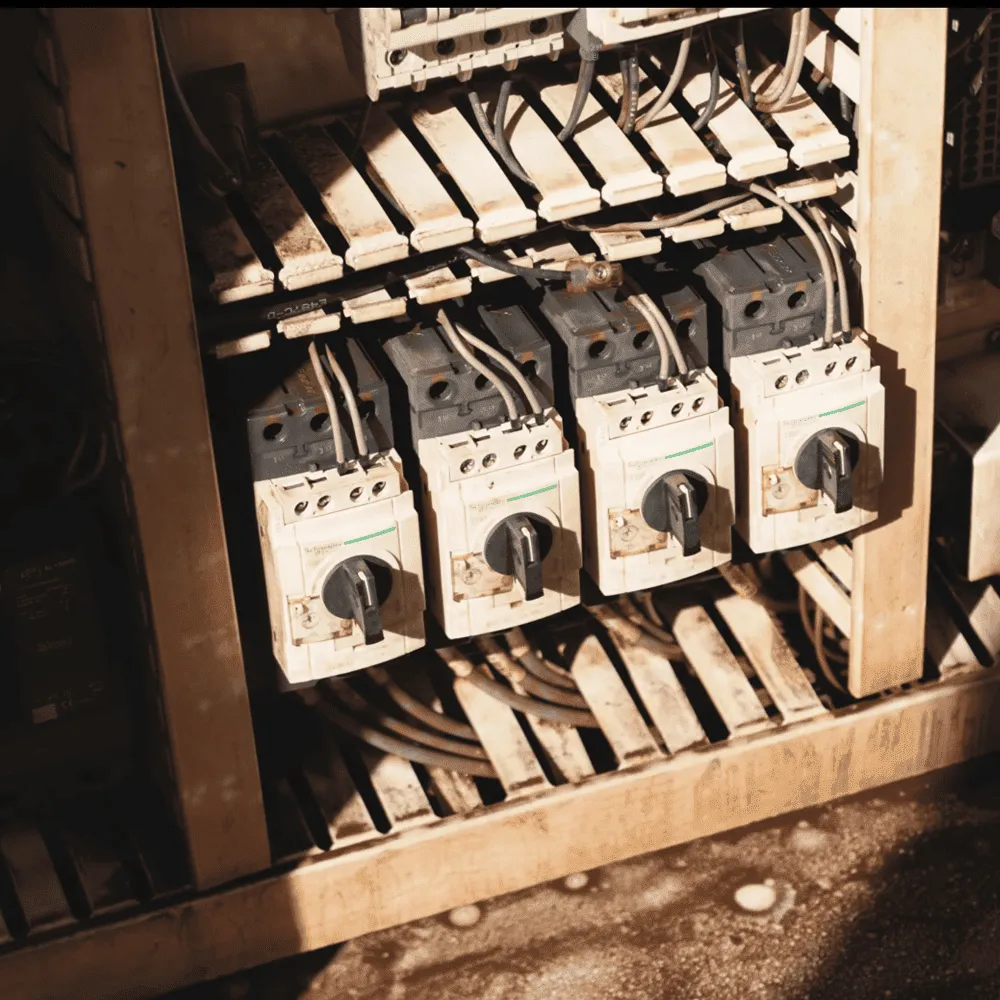
A board can look tidy on the outside and still be running hot internally. Heat from loose terminations, overloaded circuits, or poor airflow is one of the most common pathways to failure. Also, “newer” does not automatically mean compliant or correctly installed, especially if the board has been modified repeatedly.
Myth: Thermal Scanning Is Overkill
Thermal scanning is not a cure-all, but dismissing it as unnecessary often leads to missed early warnings. It can highlight overheating at connections, breakers, and neutral bars that may indicate load stress or poor contact. It works best as part of a broader inspection and test program, not as a standalone activity.
Myth: Water Ingress Is a Plumbing Problem, Not Electrical
Water and electricity interact badly, even when the leak seems minor. Moisture can create tracking paths, corrosion, and intermittent faults that appear and disappear with humidity, rain, or cleaning schedules. In basements and car parks, the environment is often harsh enough to make water-related faults a recurring issue.
Myth: One Contractor Visit a Year Covers Everything
A yearly visit can be useful, but it is not a magic shield. The right frequency depends on building age, complexity, exposure (coastal, basement), and the presence of critical services like lifts and ventilation. Also, “a visit” only matters if the scope includes meaningful inspection, testing, and documentation.
Myth: Strata Can Rely on Residents to Report Problems
Residents do report issues, but it is inconsistent and often late. Some people ignore early warning signs, others do not know what matters, and many faults occur in common property areas where residents rarely look. Relying on complaints as your detection method guarantees reactive maintenance.
Myth: Compliance Testing Equals Reliability
Passing required tests and inspections is important, but it does not automatically mean the system is reliable under real operating conditions. Compliance checks can be periodic snapshots. Reliability depends on condition, load changes, environment, and whether defects are resolved quickly.
Myth: Adding New Load Is Easy Because There Is “Spare Capacity”
This myth shows up when buildings add EV charging, new ventilation, upgraded pumps, or multiple air conditioning systems without checking maximum demand, phase balance, and submain capacity. Spare space in a board is not the same as spare electrical capacity.
Myth: Electrical Documentation Is a Nice-to-Have
Poor documentation is a major driver of extended outages. When labels are wrong, directories are outdated, or drawings are missing, fault-finding slows down and isolation becomes riskier. Documentation also matters when ownership changes, contractors change, or the building undergoes staged upgrades.
Myth: After-Hours Callouts Are Always a Rip-Off
After-hours rates can be higher, but emergencies do not wait for business hours. The real cost is often the downtime, safety risk, resident stress, and secondary damage that occurs when an urgent issue is delayed. The smarter question is whether the building has clear criteria for when to escalate.
Myth: If the Power Came Back, the Problem Is Over
Temporary restoration can hide an unresolved hazard. A circuit may hold for hours or days, then fail again under similar conditions (heat, humidity, peak demand). This is how buildings end up stuck in the cycle of repeated trips and repeated callouts.
Myth: Preventive Maintenance Costs More Than Reactive Repairs
Reactive work often looks cheaper because it is a single invoice for a single incident. Over time, repeat callouts, emergency attendance, damaged equipment, and extended outages usually cost more than planned maintenance. Preventive work also improves budgeting because it turns surprise failures into scheduled projects.
Myth: Everyone Knows What to Do During an Outage
In strata, confusion is common during outages. Who has access to the electrical room, who can approve urgent works, who contacts residents, and who decides whether lifts should be taken out of service are not always clear. Lack of clarity can create delays and unsafe decisions.
Key Takeaways
Most strata power maintenance myths come from confusing “it seems fine” with “it is managed”. Switchboards can be overheating without obvious signs, water ingress can cause intermittent faults that explode later, and repeated resets are a warning, not a solution.