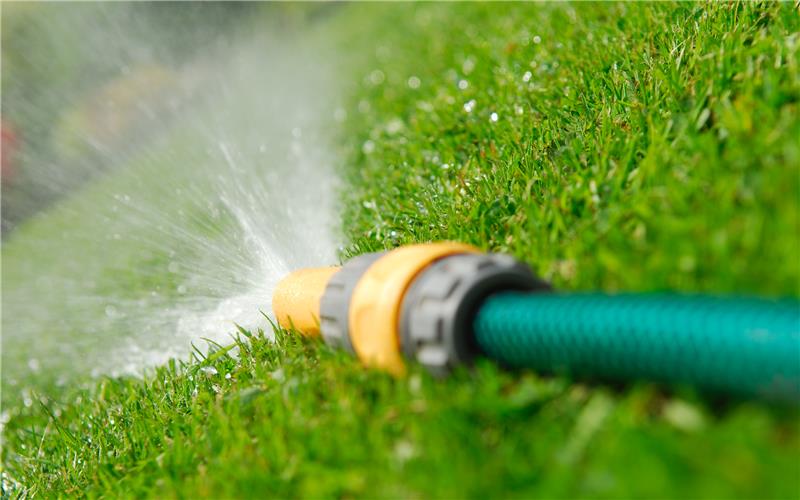
Weeds do not just ruin the look of a lawn. They steal water, nutrients, and sunlight, then leave bare patches that invite more problems. Spring is the best time to take control because soil is warming, new growth is starting, and weed seeds are waking up. A smart Spring lawn care approach now sets you up for fewer headaches through summer.
Start With Identification, Not Assumptions
Good control starts with knowing what you are up against. Different weeds need different tactics. A broadleaf spray that works on dandelions will not touch wintergrass. Guesswork wastes time and can harm your turf.
A quick process helps:
- Look at leaf shape, growth habit, and whether the plant is grass-like or broadleaf.
- Check for runners, rosettes, or clumping growth.
- Note whether it is annual or perennial. Annuals are easier to shut down with pre-emergent timing. Perennials often need targeted follow up.
A short identification session pays off all season because you can match the product and method to the weed, not the other way around.
Build a Prevention Mindset
Weed control is not only about spraying. It is about making the lawn a difficult place for weeds to live. Prevention fits neatly into spring lawn care because this is when the lawn is ready to thicken and compete.
Key prevention habits:
- Keep the canopy dense with consistent feeding, sensible mowing height, and even watering.
- Fix hydrophobic soil with a wetting agent so roots get moisture across the profile.
- Topdress and repair thin areas before heat arrives.
- Overseed cool season patches if that suits your region, so the soil is covered.
A dense lawn shades the soil surface, which reduces weed germination naturally.
Pre-emergent Herbicides Stop Problems Before They Start
Pre-emergents create a protective layer in the topsoil that stops certain weed seeds from sprouting. They are most effective against annual grassy weeds and some broadleaf species. Spring is prime time to apply because seeds are ready to germinate.
How to use them well:
- Apply before the main germination window. Early spring is a safe bet for most regions.
- Water in according to the label to position the active in the topsoil.
- Do not disturb the soil deeply after application or you will break the barrier.
- Confirm compatibility with your turf variety.
A correctly timed pre-emergent can halve your weed workload, turning spring lawn care into maintenance rather than triage.
Post-emergent Herbicides Need Precision
Once weeds break the surface, use selective herbicides that target the weed species without harming your grass. Precision matters here. A blanket spray across a healthy lawn is usually unnecessary.
Practical steps:
- Spot spray where possible. Reserve wider applications for heavy infestations only.
- Spray on mild days with minimal wind and no rain forecast for several hours.
- Avoid mixing too many products in one pass. Give the plant time to respond.
- Follow label rates and reentry instructions, especially if kids and pets use the yard.
Targeted work saves product, reduces stress on the lawn, and helps you stay compliant with labels.
Cultural Controls Make Every Product Work Better

Products are most effective when the lawn has the basics in order. Spring is the right time to tune the cultural settings that underpin long-term lawn care.
The core actions:
- Mow a touch higher in early spring to protect the crown and encourage deeper roots. Taller blades shade the soil and suppress new weeds.
- Sharpen mower blades. Clean cuts reduce brown tips and keep the lawn thick.
- Water deeply and less often. Shallow daily watering promotes weed-friendly conditions near the surface.
- Feed with a slow or controlled release fertiliser. Steady nutrition thickens the sward without soft, surge growth that invites disease.
These simple habits turn your control plan from reactive to proactive.
Hand Weeding Still Matters
Not every problem needs a spray. Hand weeding is fast and effective for isolated plants, especially in garden edges and around hardscape where drift is a risk.
Tips for clean removal:
- Weed after rain or irrigation when the soil is soft.
- Grab low and steady to remove as much root as possible.
- For deep taproots, use a weeding knife or fork to loosen the soil first.
- Bag and bin seed heads so you do not reintroduce the problem.
Ten minutes of hand weeding each week can save hours later.
Fix The Soil So Weeds Do Not Win on Conditions
Many Australian lawns sit on sandy or compacted soils. That gives weeds an edge because turf roots struggle while hardy invaders thrive. Spring is the time to correct conditions.
Focus areas:
- Hydrophobic sands. Use wetting agents monthly through spring to keep moisture moving into the profile.
- Compaction. Aerate high traffic zones so air and water reach roots. Follow with a light topdress to keep holes open.
- pH. If your soil is very acidic or alkaline, nutrient availability suffers. Use a soil test to guide lime or gypsum rather than guessing.
- Organic matter. Thin areas benefit from a light compost topdress blended with a slow release fertiliser.
Better soil turns every litre of water and gram of fertiliser into stronger turf that resists weeds.
Edging, Hard Surfaces, and Those Annoying Cracks

Weeds love gaps between pavers and along driveways. They also use lawn edges as a launchpad.
Manage these hotspots:
- Maintain a crisp physical edge to block runner weeds.
- Brush or blow granules off paths after any application so they do not wash into drains.
- For cracks, use a small targeted application or manual removal. Flame or steam methods can help on hard surfaces where herbicides are not ideal. Check local rules before using heat-based tools.
Small regular attention here keeps the rest of the lawn looking clean.
Integrate Weed Control into a Simple Spring Plan
A tidy plan reduces overwhelm and delivers consistent results.
A workable eight week sequence:
- Week 1: Identify weeds. Feed with a slow or controlled release fertiliser. Apply a wetting agent. Deep water-in.
- Week 2: Apply pre-emergent if grassy annuals are a known issue. Hand weed isolated broadleaf plants.
- Week 3: Spot spray remaining weeds with a selective herbicide matched to your turf type. Sharpen mower blades.
- Week 4: Light iron foliar if you want deeper colour without pushing growth. Keep mowing height steady.
- Week 5: Reapply wetting agent on sandy or hydrophobic soils. Patch topdress thin areas to close the canopy.
- Week 6: Second spot spray only if new weeds appear. Otherwise, hold your course and keep hand weeding.
- Week 7 to 8: Review density and colour. If coverage is strong, shift focus to mowing discipline and water efficiency as temperatures climb.
This schedule builds momentum without stacking too many actions at once.
Final Takeaway
Winning the weed battle in spring lawn care is about timing, precision, and strong fundamentals. Identify the weeds you have, use pre-emergent early for annuals, spot spray only what is present, and keep the cultural basics tight. Feed steadily rather than heavily, mow a touch higher while roots rebuild, and keep water reaching the root zone.
Do that, and your lawn will thicken, shade the soil, and do a lot of the weed control work for you. The reward is a cleaner, tougher lawn that holds its colour and density through summer without constant rescue jobs.