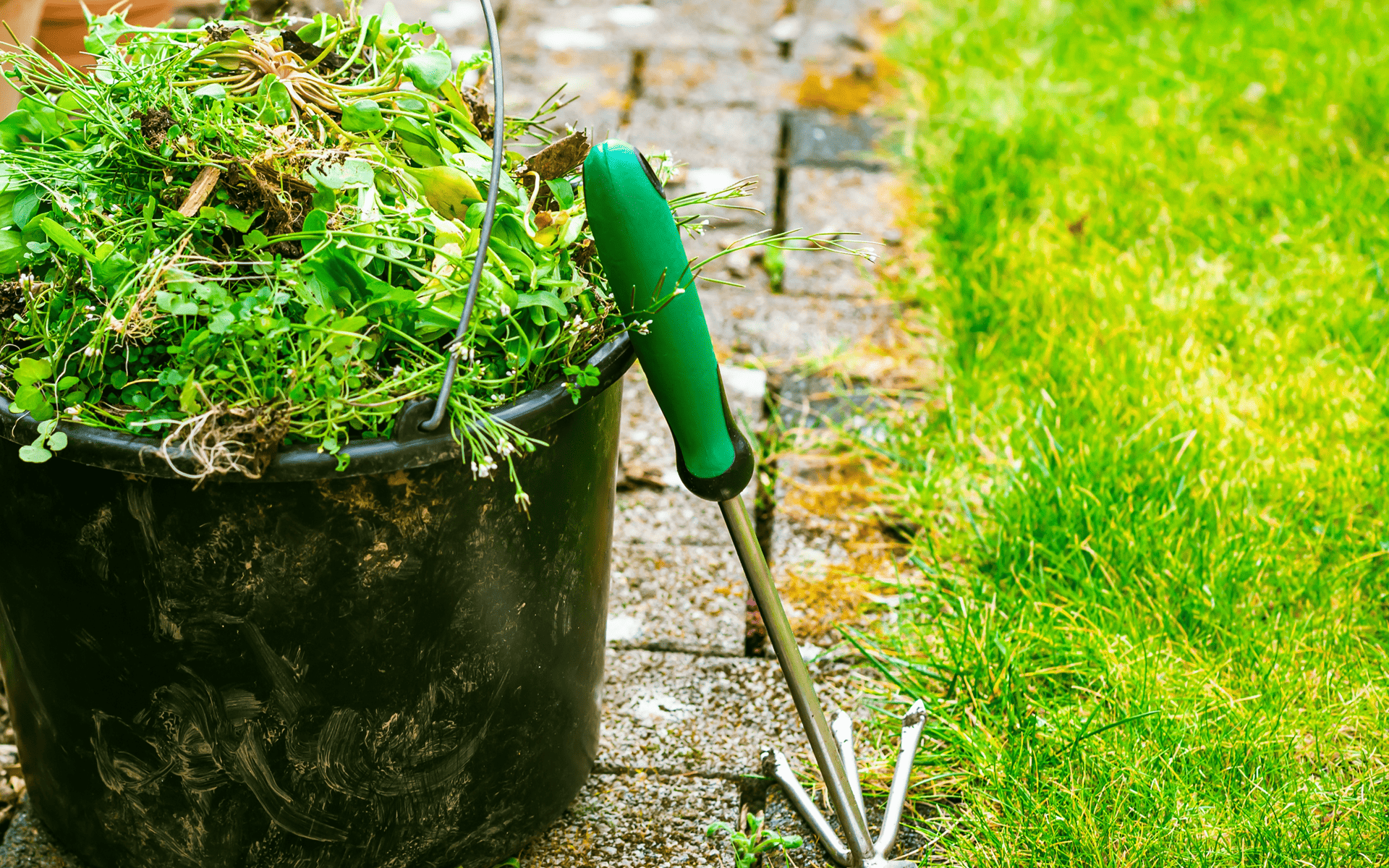
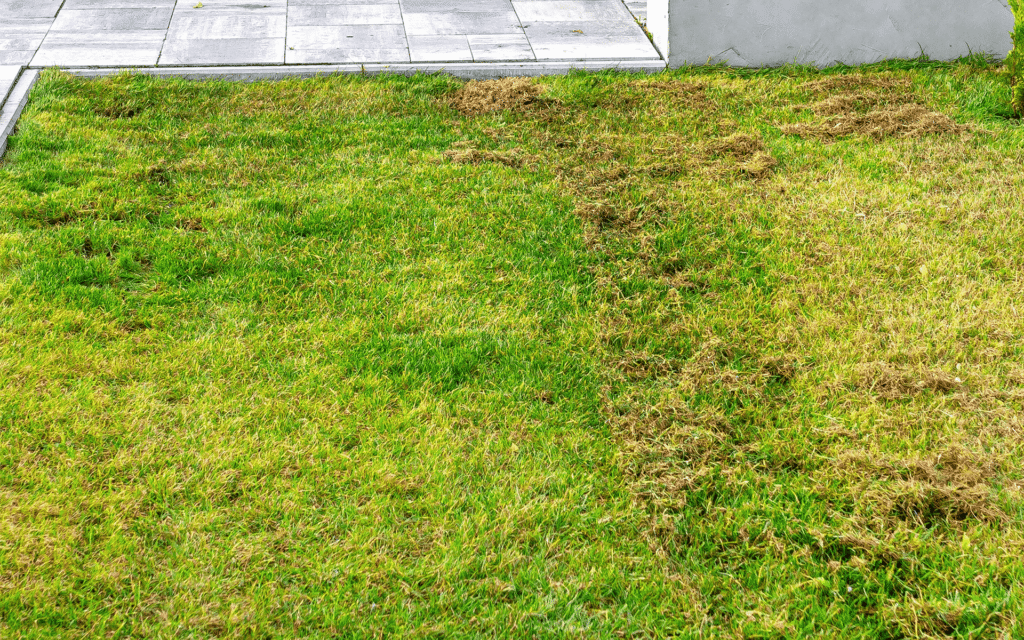
Getting winter lawn care right heavily depends on managing soil heat. Many property owners think regular watering and mowing are enough. The cold weather completely changes how grass functions and effective turf temperature management works with the cold instead of fighting it.
How Soil Temperature Drives Dormancy
Soil temperature falling consistently below 14 degrees Celsius triggers dormancy in warm-season grasses. The plant stops pushing new leaves and redirects energy to the root system. Most operators reckon fighting this natural process is a massive waste of money.
- The popular Bermuda grass shuts down completely at 10 degrees and loses pigment.
- Standard Buffalo varieties retain some colour but stop vertical leaf growth entirely.
- Hardier Kikuyu handles cold slightly better but still requires reduced foot traffic.
- Common Zoysia goes dormant early in autumn and wakes up late in spring.
Applying standard maintenance practices when the dirt is freezing won’t yield results. Professional turf managers rely on soil probes rather than just checking the air temperature. Air temperature fluctuates wildly, while soil retains cold for longer periods. Monitoring the dirt itself provides a true reading of turf conditions. It stops property managers from making poor decisions based on a sunny afternoon.
Using Turf Pigment for Solar Heat Absorption
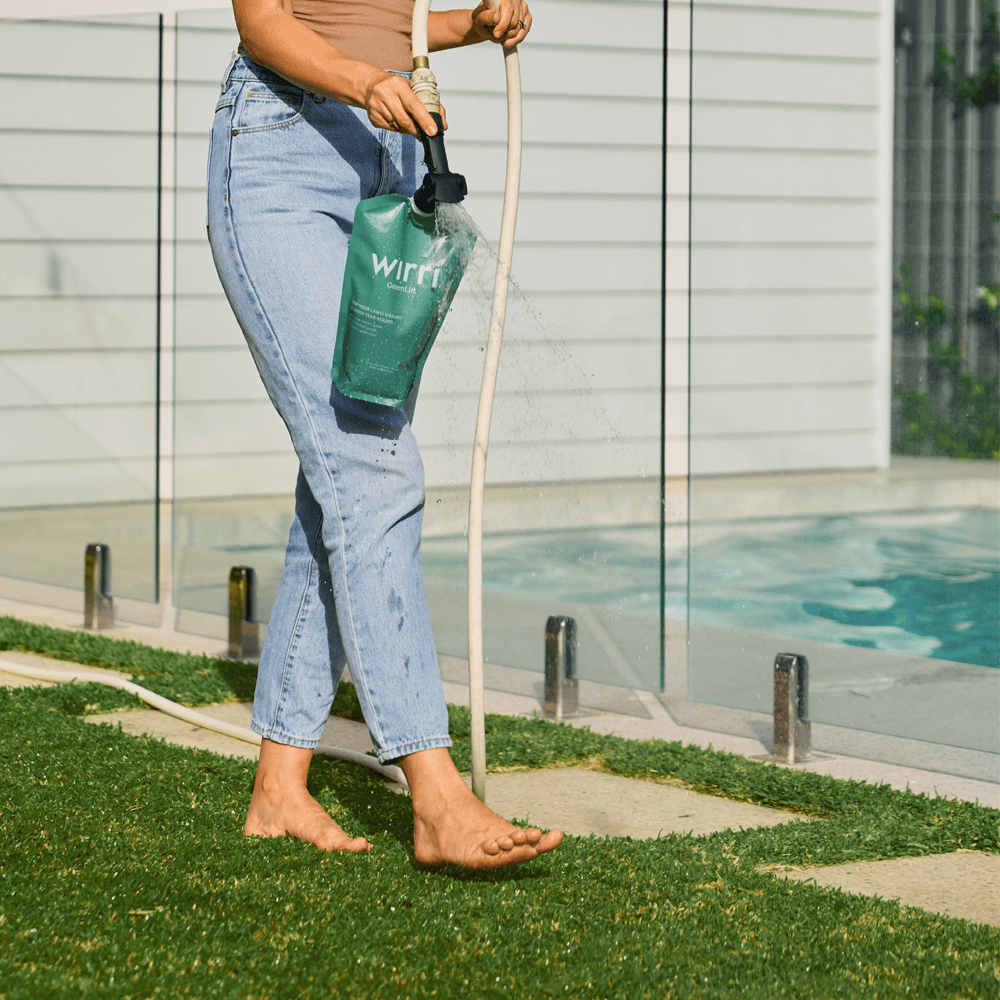
Applying turf pigment physically increases the surface temperature of the grass blades. The dark pigment absorbs solar radiation and traps near-infrared light on the leaf surface. This creates microscopic warmth that keeps cellular functions ticking along during freezing weeks.
- Standard liquid dyes only provide cosmetic colour for aesthetic purposes.
- True turf pigments physically change how the plant interacts with winter sunlight.
- The dark coating absorbs heat directly from the weak winter sun.
- This slight temperature bump protects the delicate crown from severe frost damage.
Property managers often apply a pigment product just before the first frost hits. The application makes the lawn look incredibly green immediately. It also gives the dormant plant a fighting chance against freezing temperatures. The turf cops less of a hammering when it has this solar-absorbing layer. Field experience shows this microscopic warmth prevents massive cellular breakdown.
Foliar Nitrogen Application in Freezing Weather
Liquid nitrogen bypasses the dormant root system entirely and enters directly through the leaf tissue. Cold dirt shuts down the soil microbes needed to break down granular fertilisers. Granular products just sit on the surface doing absolutely nothing when soil drops below 12 degrees.
- Liquid nitrogen gets absorbed straight into the plant tissue within hours.
- Foliar feeds deliver necessary nutrition without forcing unwanted flush growth.
- Granular nitrogen pushes fleshy green leaves that snap during the first frost.
- Professional liquid setups avoid root zone lockup entirely.
Applying the wrong type of nitrogen is a massive mistake made by novices. Foliar feeds provide exactly what the plant needs to survive the chill. The liquid formulation supports cellular health without tricking the grass into growing.
Winter Soil Mixes and Moisture Retention
Applying a winter soil mix improves moisture retention without leaving the surface dangerously waterlogged. Cold temperatures alter how water moves through the topsoil profile. Using a specialized mix supports the root zone while the top of the plant sleeps.
A good winter mix contains organics that hold moisture exactly where the dormant roots sit. It stops the soil profile from drying out entirely during windy, cold weeks. The organics also provide a slow, steady release of complex carbohydrates. This feeds the resting soil microbes without forcing the plant to wake up. Trade experts apply these mixes lightly to avoid smothering the dormant grass.
Trade professionals use these mixes to buffer the dirt against extreme temperature drops. The physical layer of soil mix adds another blanket over the vulnerable root system. It creates a stable, protected environment underground while the air temperature plummets. This practice reduces the need for heavy irrigation during freezing months.
Watering Practices During the Colder Months
Morning irrigation prevents the soil profile from remaining wet overnight and freezing the root zone. Watering late in the afternoon traps cold moisture in the topsoil. This wet environment invites fungal diseases to take hold incredibly quickly. A waterlogged lawn in July acts as a death sentence for residential turf.
Evaporation rates plummet dramatically during the cooler Australian months. Lawns require significantly less water than most property owners initially assume. Overwatering pushes essential oxygen completely out of the soil profile. The grassroots slowly suffocate in the freezing, compacted mud. Hand watering targeted dry spots is highly recommended over full system runs.
Frequently Asked Questions
How Often Should Turf Be Watered in Winter?
Irrigation should only happen once every two or three weeks. The dirt stays moist for much longer due to low evaporation rates. Overwatering causes fungal issues and freezes the delicate root zone.
Can Fertiliser Be Applied During Frosty Weather?
Granular fertilisers shouldn’t be used when dirt temperatures are freezing. The dormant roots can’t absorb the resting nutrients efficiently. Liquid foliar products provide a safer alternative for maintaining turf health without forcing unwanted flush growth.
What Height Is Best for Mowing Cold Lawns?
Mower decks should be raised to leave the grass slightly longer. This extra length protects the plant crown from direct frost damage. It also increases the surface area for photosynthesis during shorter winter days.
Key Takeaways
Managing turf through freezing weather requires discipline and observation. Adjusting expectations is simply part of the process. The grass won’t look perfectly green, and that’s completely fine. Using specialized tools like turf pigment and liquid nitrogen prevents long-term cellular damage. Following these industry practices ensures the lawn wakes up healthy when the soil finally warms up.