Not all lawns are created equal—and when it comes to shady spots in the garden, it pays to know what you’re working with. Whether it’s the result of a large tree, a towering fence, or the shadow cast by your home or garage, shade presents a unique challenge for grass. But that doesn’t mean your lawn has to suffer. With the right turf variety and a few smart strategies, you can grow a lush, healthy lawn even in the darkest corners of your yard.
Here’s everything you need to know about choosing the best grass types for shaded lawns in Australia, and how to maintain them for year-round greenery.
Why Shade Makes Lawn Care Tricky
Shade reduces the amount of sunlight that reaches your lawn. And without enough light, photosynthesis slows down. This can lead to patchy, thinning grass, weak root systems, poor colour, and increased vulnerability to pests and disease.
In Australia, many popular lawn varieties—such as Couch and Kikuyu—are sun-lovers. In shaded areas, they often become leggy, sparse, or even die off entirely. That’s why it’s essential to choose a turf variety that can tolerate low-light conditions from the get-go.
What Makes a Grass Shade-Tolerant?
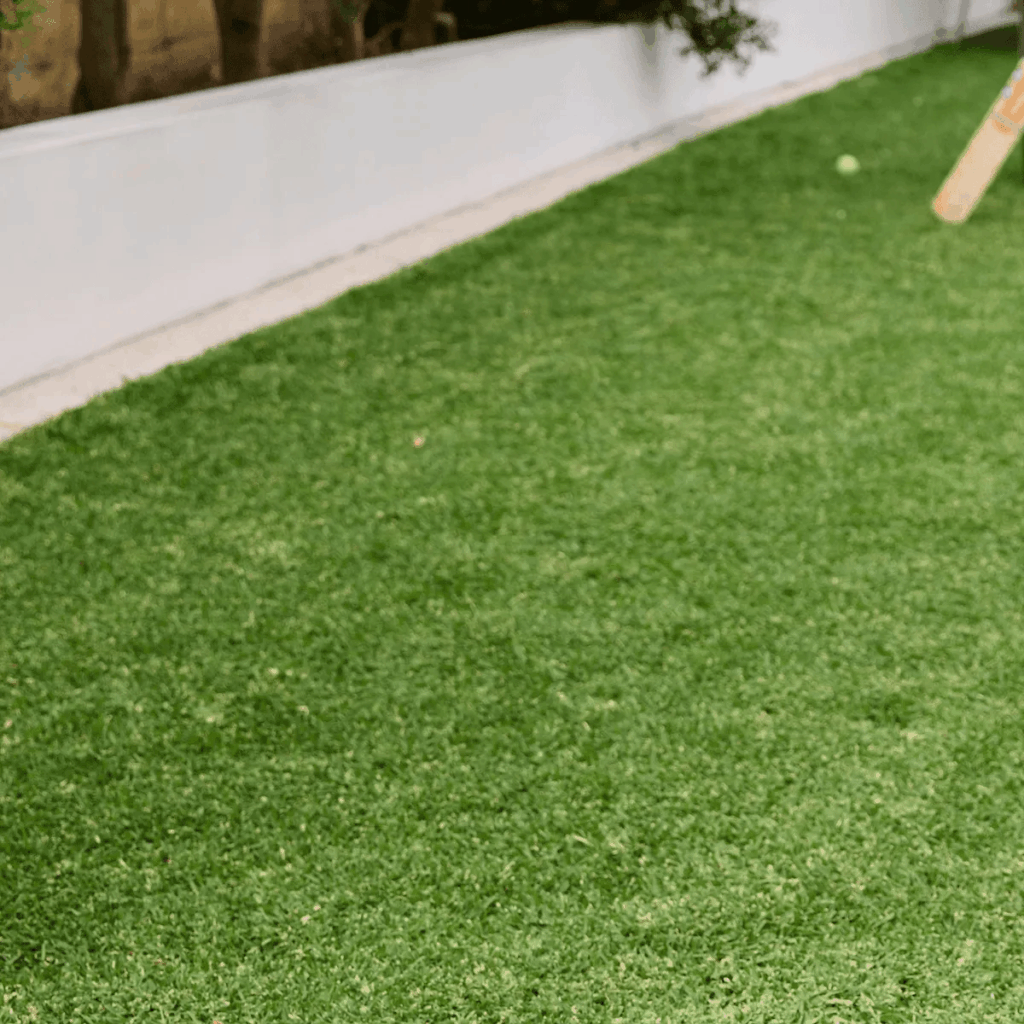
Shade-tolerant grasses tend to have the following traits:
- Broader leaves – to capture more light
- Slower growth – meaning they don’t need as much energy from sunlight
- Deeper root systems – helping them stay healthy even with less photosynthesis
- Better disease resistance – since shade often creates damp environments that encourage fungus
While no grass thrives in complete darkness, several varieties can grow well in partial shade—particularly if they receive filtered light during the day or a few hours of direct sunlight.
Best Grass Varieties for Shaded Australian Lawns
Here are the top performers when it comes to shady lawns across Australia:
1. Zoysia (Zoysia japonica)
Zoysia is a hardy, slow-growing grass that’s perfect for areas with moderate foot traffic and partial shade. It’s known for its fine texture, rich green colour, and drought tolerance. Zoysia handles light to moderate shade well and has the added benefit of being low-maintenance, requiring less mowing than many other types.
2. Buffalo Grass (Stenotaphrum secundatum)
Buffalo is one of the best-known shade-tolerant grasses in Australia, especially the modern soft-leaf varieties like Sir Walter DNA Certified, Palmetto, and Matilda. These newer cultivars are softer underfoot, maintain colour year-round, and tolerate both full sun and moderate shade with ease.
3. Tall Fescue (Festuca arundinacea)
This cool-season grass is known for its deep roots and broad leaves, making it well-suited for shaded and cooler parts of southern Australia. Tall Fescue requires regular watering during summer, but it handles lower light and stays green all year in temperate climates.
4. Fine Fescues (Red, Chewings, Hard)
Fine fescues are some of the most shade-tolerant grasses available, but they’re generally best suited to southern areas like Victoria and Tasmania. They’re not as heat-tolerant as warm-season grasses, but they perform exceptionally well in filtered light or dense shade.
Tips for Maintaining a Healthy Shaded Lawn
Even with the right turf, shade presents ongoing challenges. Here are some practical ways to keep your lawn looking lush:
1. Prune Overhanging Branches
Thin out trees and shrubs to allow more dappled light to reach the grass. You don’t need full sun—just more access to indirect or filtered light can make a huge difference.
2. Avoid Overwatering
Shady areas take longer to dry out. This makes the lawn more susceptible to fungal infections and root rot. Only water when the topsoil is dry, and ensure the area has proper drainage.
3. Mow Higher
Keep your grass a little longer in shady zones—around 5–6cm high. Longer blades allow more surface area to absorb sunlight, which helps the grass photosynthesise more effectively.
4. Fertilise Lightly and Regularly
Don’t overdo the fertiliser. Too much nitrogen encourages soft, lush growth that can’t survive the shade. Instead, apply a balanced slow-release fertiliser a few times a year to support healthy root development.
5. Reduce Foot Traffic
Shady lawns don’t recover from damage as quickly. If possible, reroute paths or add stepping stones in high-traffic zones.
6. Topdress with Organic Matter
Apply a thin layer of compost or fine organic soil conditioner in autumn or spring. This improves soil health, encourages microbial activity, and supports better water retention without making things soggy.
When to Consider Alternatives
If your lawn gets less than 2 hours of light per day, even the most shade-tolerant grasses may struggle. In these extreme cases, it might be worth looking into alternatives:
- Shade-loving ground covers like Dichondra, Native Violet, or Liriope
- Artificial turf in high-use or zero-sun areas
- Garden beds or mulch zones that reduce the need for constant maintenance
These solutions can complement your lawn and still maintain an appealing garden aesthetic, especially in tough corners where grass simply won’t thrive.
Final Thoughts
Shaded lawns don’t have to be a constant source of frustration. With the right turf type, a little planning, and a few changes to your maintenance routine, you can transform your yard into a green, inviting space—even in low light.
If you’re unsure which grass variety is right for your specific conditions, talk to a local turf supplier familiar with shade-friendly solutions like Buffalo or Zoysia. They’ll be able to recommend the best variety based on your location, soil type, and shade levels.
After all, a beautiful lawn isn’t just about sunshine. It’s about choosing the right grass for the right place—and that includes the shady bits.