There’s a difference between just having a lawn and actually caring for one. Good lawn care isn’t about obsessing over perfection—it’s about understanding what your grass needs to thrive and creating the right conditions for it to do so.
Whether you’re a new homeowner or just tired of looking at a patchy yard, this guide breaks down the true meaning of good lawn care for Aussie homes. We’re not talking theory—we’re talking practical, effective strategies you can actually apply.
It Starts Below the Surface: Soil Health Comes First
A great lawn starts from the ground up—literally. If your soil is compacted, sandy, clay-heavy, or stripped of nutrients, your lawn will struggle no matter how much you water or mow.
Signs your soil needs attention:
- Water doesn’t soak in properly
- Grass turns yellow or grows unevenly
- Moss or weeds are taking over
- The soil feels hard and dry
What to do about it:
- Test the pH level: Lawns prefer a neutral pH (around 6–7)
- Add organic matter like compost or soil conditioners
- Aerate the lawn annually to reduce compaction
- Apply a top dressing in spring to improve structure
Don’t underestimate soil health. Think of it like building a house—you can’t expect stability if the foundation is off.
Choosing the Right Grass Type for Your Region
Not all grass is created equal. What grows brilliantly in Brisbane might curl up and die in Adelaide. Matching your lawn type to your local climate makes lawn care far easier and more effective.
Common grass types in Australia:
- Buffalo: Tolerant to shade, soft underfoot, good for kids and pets
- Kikuyu: Hardy and fast-growing, ideal for sunny yards
- Couch: Fine leaf, loves full sun, needs regular mowing
- Zoysia: Slow-growing, drought-tolerant, great for low-maintenance
Good lawn care means choosing smart from the start. If you’re constantly battling disease, patchiness, or dead zones, your grass might not be the right fit for your environment.
Watering: Deep, Not Daily

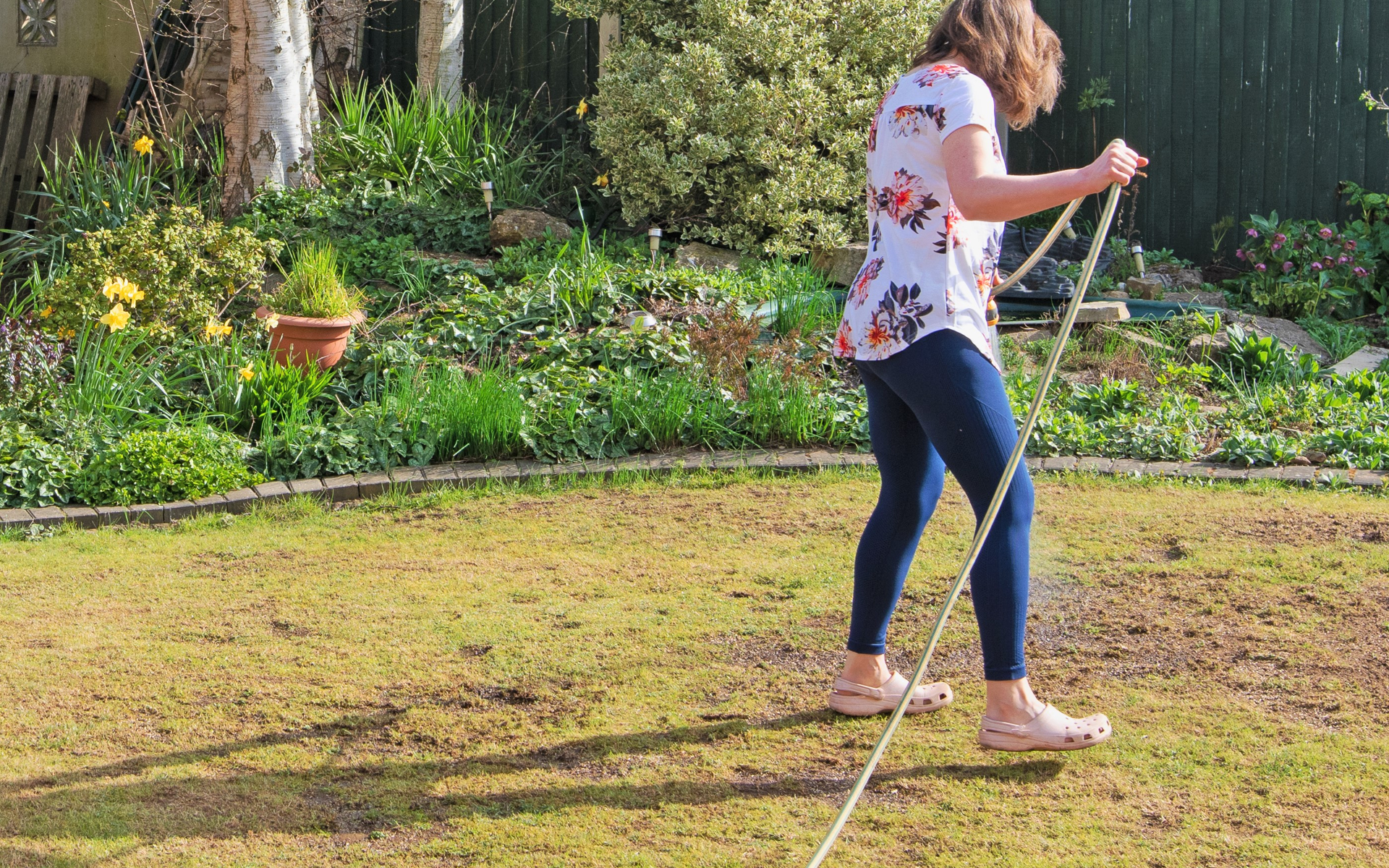
A well-cared-for lawn doesn’t get a splash of water every evening. Instead, it gets infrequent, deep soaks that encourage strong root systems and drought resistance.
What good watering habits look like:
- Water early in the morning to reduce evaporation
- Aim for 10–15mm per session, 2–3 times a week in summer
- Let the soil dry between waterings to prevent fungus and rot
- Adjust based on rainfall and seasonal needs
A lawn that’s watered properly won’t need constant attention—and it’ll look better during dry spells.
Mowing: A Regular Trim, Not a Hack Job
Good lawn mowing is about timing, consistency, and technique—not just keeping the grass short. Overcutting weakens your lawn, exposes the roots, and invites pests and disease.
Smart mowing tips:
- Never remove more than one-third of the blade height in a single mow
- Keep mower blades sharp to avoid tearing grass
- Leave clippings on the lawn occasionally to return nutrients
- Adjust the cutting height seasonally (higher in summer, lower in spring/autumn)
Don’t wait until your lawn looks overgrown. By then, you’ve missed the window for preventative care. Good lawn care is proactive.
Fertilising: Feed It Before It’s Hungry
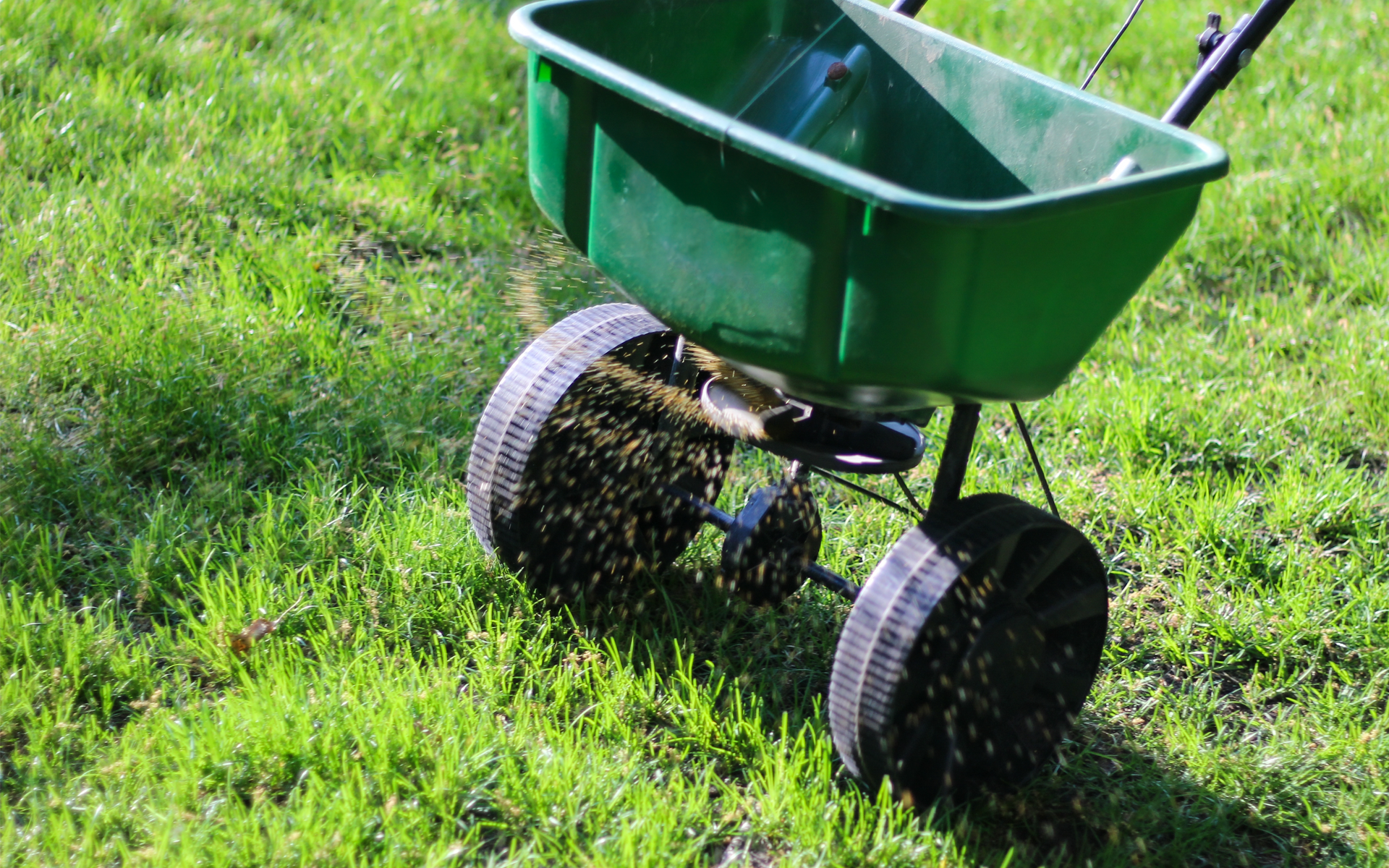
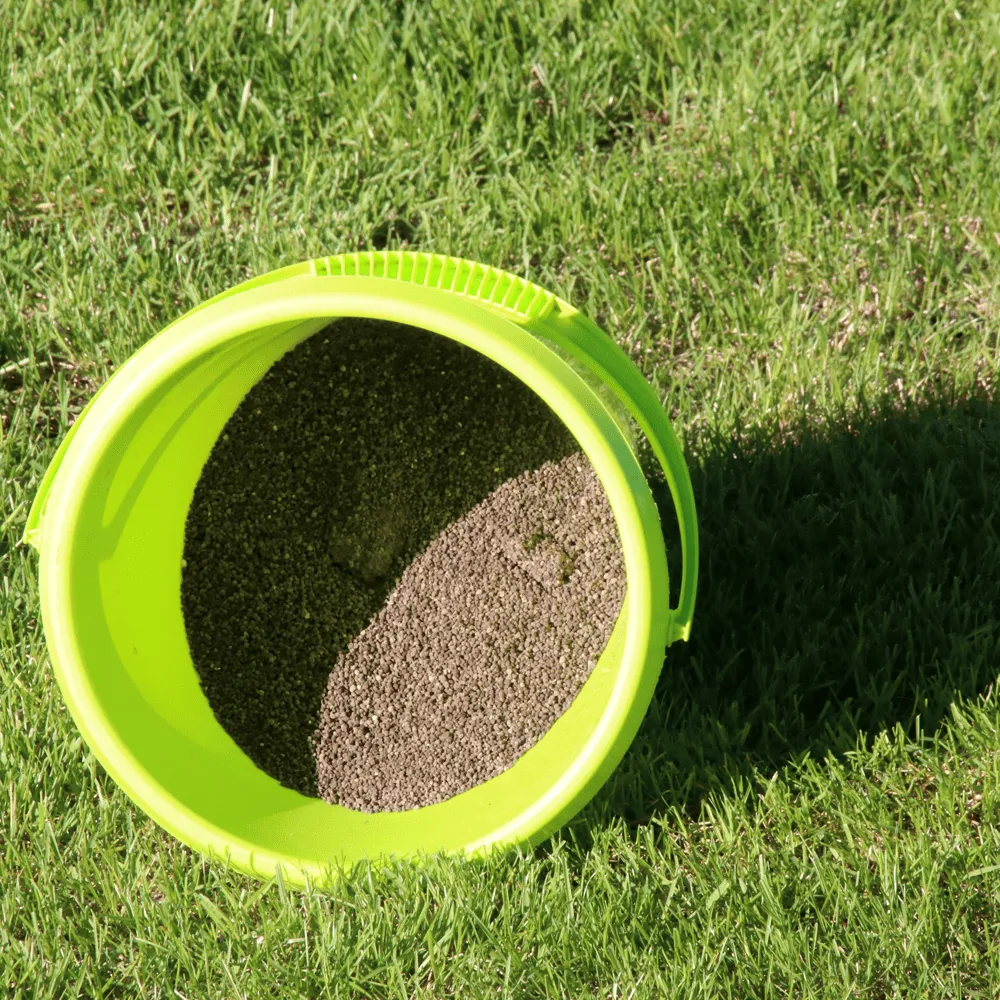
Your lawn needs nutrients to grow strong. Fertilising isn’t just a spring thing—it should be a regular part of your lawn care schedule. But more doesn’t mean better.
Key points for effective fertilising:
- Use a slow-release fertiliser during the growing seasons
- Apply in early spring, late spring, mid-autumn, and optionally summer
- Water after application to help nutrients reach the roots
- Consider organic alternatives for long-term soil health
Over-fertilising can cause chemical burn, while under-fertilising leads to weak, pale grass. Good lawn care hits that balance.
Weeds, Pests, and Disease: Spot and Solve Early
A good lawn care routine includes regular inspections for troublemakers—before they take over.
Common Aussie lawn threats:
- Bindii and clover: Common in neglected or thin lawns
- Armyworm and beetles: Damage grass roots and leaves
- Fungal issues: Encouraged by poor drainage or overwatering
What good care looks like here:
- Use selective herbicides where needed
- Improve lawn density through regular feeding and mowing
- Keep the lawn well-drained and aerated
- Introduce beneficial insects or use targeted treatments when necessary
A healthy lawn is your best defence. Thick, well-fed grass naturally crowds out weeds and resists pests.
Final Word: Good Lawn Care is About Balance and Consistency
So, what really constitutes good lawn care? It’s not about throwing money at the problem, obsessing over every blade, or following rigid routines.
It’s about:
- Understanding your grass and soil
- Adapting to seasons and climate
- Following a realistic, regular schedule
- Preventing problems instead of reacting to them
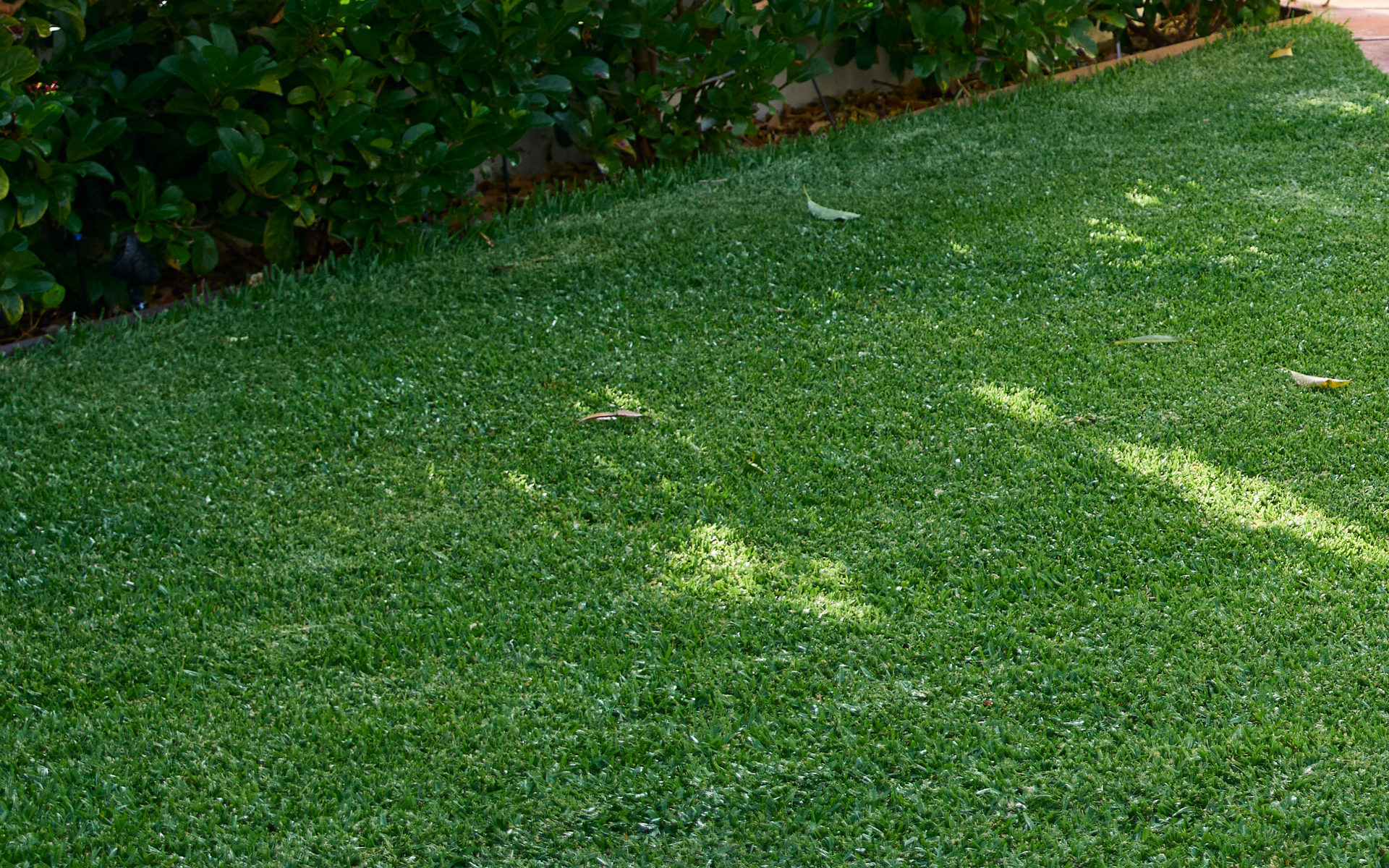
A well-cared-for lawn looks great, feels good underfoot, and lasts longer. Whether you’re a green thumb or just getting started, the foundations are the same: observe, adjust, and stay consistent.