Most people try to fix lawn watering problems by changing the schedule on the controller. A few extra minutes here, a skipped day there. In reality, the hardware doing the watering has as much impact on water use as the program you set. Old, wasteful gear can blow your water budget even if your timing is perfect. Efficient, well-designed hardware can keep your lawn healthy with far less water.
If you care about sustainable Australian lawn care, it makes sense to look closely at your irrigation hardware. The goal is simple. Get more water into the root zone, with less waste to wind, concrete and gutters.
Why Hardware Choice Matters for Sustainable Water Use
Not all irrigation systems are equal. Two lawns can both run for 20 minutes, but use very different amounts of water and deliver very different results. The difference usually comes down to how the water leaves the pipes and lands on the grass.
Good hardware:
- applies water evenly
- produces droplets that reach the soil instead of drifting away
- applies water at a rate the soil can absorb
- targets the lawn area instead of spraying paths and fences
Poor hardware does the opposite. It creates mist, overspray and runoff. That is bad for your bills and bad for the environment.
Upgrading or tuning your system is one of the fastest ways to make your lawn more sustainable. It also lines up with a modern Australian lawn care mindset, where you focus on long term efficiency rather than short term band aids.
Choosing The Right Sprinkler Type for Each Area
The first big decision is which type of sprinkler to use in each zone. Matching the sprinkler style to the size and shape of the area has a direct effect on efficiency.
Common types include:
- Fixed sprays – These heads deliver a fan of water over a set arc. They put water down quickly, which can be useful for small, flat areas with good soil. On slopes or heavy soils, they can cause runoff if run too long.
- High efficiency rotating nozzles – These retrofit onto spray bodies but deliver multiple rotating streams rather than a mist. They apply water more slowly and more evenly. That slower rate means water is more likely to soak in instead of running off.
- Rotors and gear drives – These sprinklers rotate a stream of water over a larger area. They suit big open lawns. When spaced correctly, they can be very efficient, but they need the right pressure and layout to work well.
In most domestic lawns, a mix of these makes sense. Fixed sprays or high efficiency nozzles for small pockets and tight shapes. Rotors for larger rectangles or ovals. The key is to avoid using one head type everywhere just because it is what was on sale at the time.
Using Drip Irrigation Where Sprays Struggle
There are some areas where sprays will always waste water. Narrow side strips, tight corners, verge strips between footpath and road, and lawn that sits right against walls or fences are common examples.
In these areas, drip irrigation often makes more sense. Dripline or subsurface drip:
- delivers water directly into the soil
- avoids overspray onto paths, driveways and buildings
- performs better in wind, because there is no fine spray to blow away
- pairs well with mulch in garden beds near the lawn
While you might not convert an entire lawn to drip, running dripline along tricky edges can cut a surprising amount of waste. This suits a sustainable Australian lawn care approach, where you save the most efficient methods for the spots that need them most.
Pressure Regulation and Flow Control
Irrigation hardware is designed to run at certain pressures and flow rates. Too much pressure and sprays turn into mist that drifts away. Too little pressure and heads do not pop up properly or cover their intended arc.
Pressure regulation and flow control help you keep everything in the sweet spot.
Useful components include:
- Pressure regulated heads that keep output consistent
- Zone pressure regulators that protect whole sections of the system
- Flow control valves that let you fine tune specific zones
- Master valves and flow sensors that can shut the system down in the event of a break
Once the pressure and flow are correct, you can trust that your carefully set run times are actually delivering what you think they are. That stability is important when you are trying to match irrigation to a water budget and keep your lawn healthy without overdoing it.
Smart Controllers Versus Simple Timers
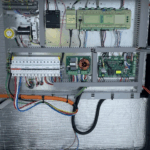
The controller is the brain of the system. Basic models turn zones on and off at set times. Smarter ones make decisions based on weather, soil moisture and water use.
You do not have to jump straight to a complex, app based controller to be sustainable, but it can help. Consider where you sit on this spectrum:
- Simple manual timers – Cheap and easy to use. You set days and minutes. Great if you are disciplined about adjusting for seasons and rainfall.
- Programmable controllers with multiple programs – Allow you to set different schedules for lawn, gardens and drip. Often include cycle and soak options and seasonal adjust features.
- Smart controllers – Connect to Wi-Fi and can adjust watering based on local weather data. Some integrate with rain sensors, soil probes and flow meters.
Even a basic controller becomes part of sustainable Australian lawn care if you actually use its features. Seasonal adjust, separate programs for lawn and garden, and cycle and soak all support better water management without replacing any hardware in the ground.
Upgrade The Delivery, Not Just the Duration
If you are only tweaking your watering schedule, you are working with one lever. Efficient, sustainable lawn irrigation comes from changing the way water is delivered, not just how long it runs.