
Most people only think about soil when the lawn starts misbehaving. That is fair. A lawn can look fine for years with basic mowing, watering, and an occasional fertiliser. Then one summer hits harder, a wet winter drags on, or traffic increases, and suddenly the lawn becomes patchy, thirsty, or slow to recover. That is usually the moment soil mix becomes the difference between quick wins and constant frustration.
So should you care about lawn soil mix? Yes, if you want consistent performance, efficient watering, and fewer mystery problems. No, if your lawn is already stable and you are happy with “good enough”. The practical answer sits in the middle: care about it when the lawn is giving you evidence that the root zone is limiting results.
This is where Australian lawn care becomes more predictable. When the soil behaves well, everything else is easier.
What “Lawn Soil Mix” Really Means
People use “soil mix” to mean different things. Some mean a topdressing blend. Others mean a seasonal soil program. Others mean whatever is in the yard already, plus a bag of something spread once a year.
In practical lawn terms, soil mix is any combination of materials and inputs that changes how the root zone behaves. That can include texture, structure, moisture movement, nutrient holding, and biological activity. It is less about adding “good dirt” and more about improving function.
A useful way to think about soil mix is by what it changes:
- How quickly water soaks in
- How evenly moisture spreads through the root zone
- How long moisture stays available
- How well roots can penetrate and breathe
- How efficiently the lawn uses nutrients and recovers from stress
If you only focus on colour, you can miss the point. Colour is the last thing that shows improvement. Water behaviour and root response are usually the first signs your mix is working.
The Fast Test: Signs You Should Care
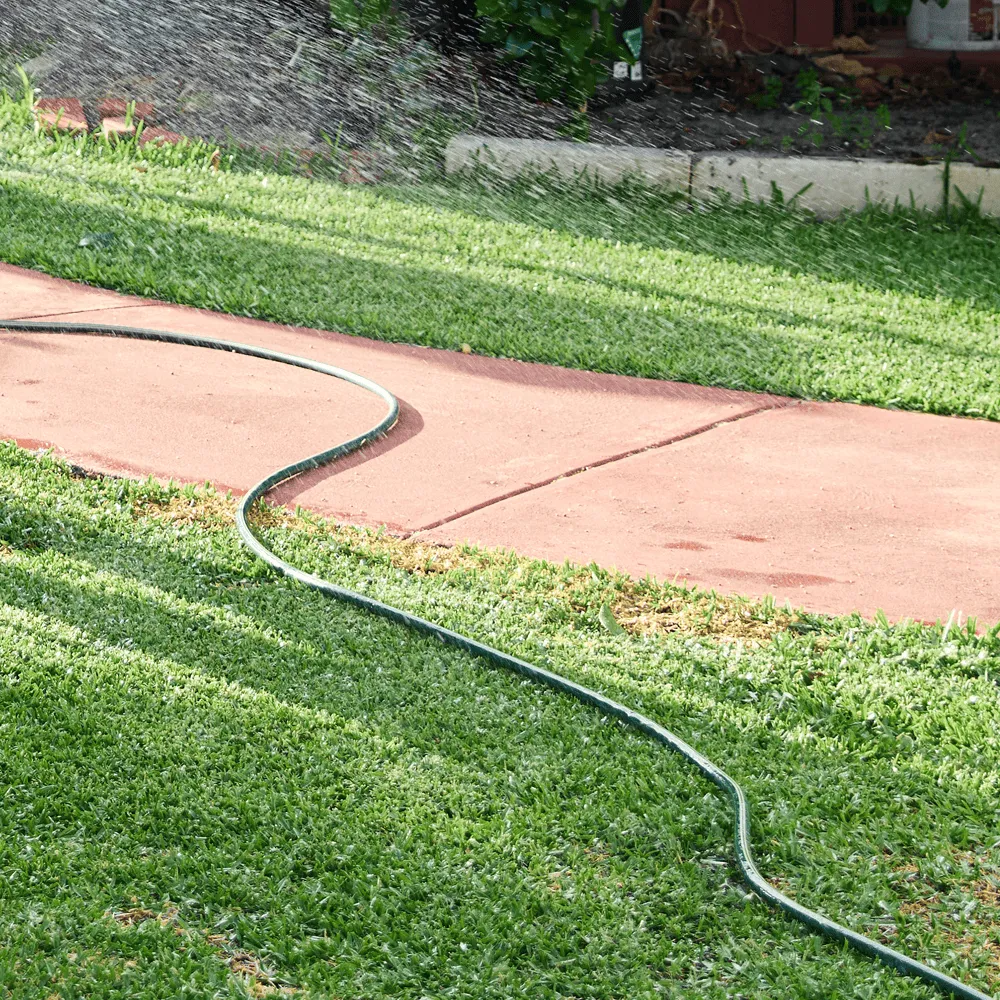
Some lawns genuinely do not need much intervention. Others are quietly struggling, and you only notice when weather or wear pushes them over the edge. The quickest way to decide is to look for repeatable patterns.
If you are seeing two or more of these, soil mix matters:
- Dry patches that stay dry even when you water properly
- Water beading or running off rather than soaking in
- Uneven growth, even with consistent sun and watering
- Compacted zones where a screwdriver struggles to push in
- Spongy ground after rain that stays wet for days
- The lawn perking up right after watering, then fading fast
- Weak recovery from traffic, pets, or mowing stress
- Fertiliser “not working” unless you apply more than you want to
When these patterns show up, the lawn is usually telling you that the root zone is not doing its job. Good Australian lawn care is about listening to those signals early, instead of waiting for a full-blown crash.
When You Can Probably Stop Worrying About It
There is no prize for overcomplicating your lawn. If the lawn holds colour reasonably well, drains normally, and recovers after mowing and use, you may not need an active soil mix plan.
A lawn can often run on simple habits if:
- Water soaks in evenly and the surface does not repel
- Growth is consistent across the lawn
- There are no recurring patch patterns through summer or winter
- Foot traffic does not leave lasting compaction or thinning
- Your maintenance routine feels easy, not like constant firefighting
In that case, you can keep soil mix as a light touch. A small seasonal tune-up is plenty. The point is to fix limitations, not to chase perfection.
Soil Mix Versus Fertiliser: What Most People Get Backwards
A common trap is trying to feed your way out of a soil problem. Fertiliser can make a lawn look better for a short window, but it cannot fix poor infiltration, compaction, hydrophobic behaviour, or shallow rooting. In fact, pushing growth on a stressed root system can make the lawn thirstier and more fragile.
Soil mix is the foundation. Fertiliser is a tool that works best when the foundation is stable.
If you feel like you are always chasing green, ask a simple question: is the lawn hungry, or is it struggling to access water and nutrients because the soil is limiting uptake? If it is the second one, a smarter mix will outperform an extra bag of feed.
The Four Problems a Good Soil Mix Solves

Soil mix is worth caring about when it solves a problem you actually have. Most lawns fall into one of four buckets.
Problem One: Water Will Not Soak In
This is the classic summer complaint. Water pools, runs off, or disappears unevenly. The lawn becomes patchy and you end up overwatering to compensate.
The mix solution usually focuses on improving infiltration and even moisture distribution. That might involve a wetting support input, plus light structural work if compaction is part of the cause.
Problem Two: Water Soaks in but Does Not Stick Around
This is common in sandy profiles or in lawns exposed to full sun and wind. You can water properly and the lawn still fades quickly between watering days.
The mix solution usually focuses on improving water-holding in the root zone without making the surface spongy. It is about stability, not “keeping everything wet”.
Problem Three: The Soil Is Too Tight for Roots
Compaction can come from traffic, clay behaviour, construction disturbance, or just years of settling. Tight soil restricts roots, reduces oxygen, and makes watering less effective.
The mix solution usually needs physical action as well as inputs. Aeration, spiking, or similar work creates pathways. Then a soil mix program helps keep the profile functional over time.
Problem Four: The Lawn Is Inconsistent Across the Yard
If one part of the lawn always struggles, it is often a soil issue first, not a grass type issue. Different fill, shade, drainage, or traffic can create different soil behaviour in different zones.
The mix solution is often targeted. Treat the problem area as a separate project rather than blanketing the entire lawn with the same product and hoping it evens out.
Final Thoughts
Caring about lawn soil mix is worth it when the lawn is showing repeatable signs that the root zone is limiting performance. If watering feels inefficient, patches keep returning, or recovery is slow, a better soil mix approach usually pays back in consistency and lower effort. If the lawn is already stable and you are happy with it, keep it simple and only do light seasonal tune-ups.