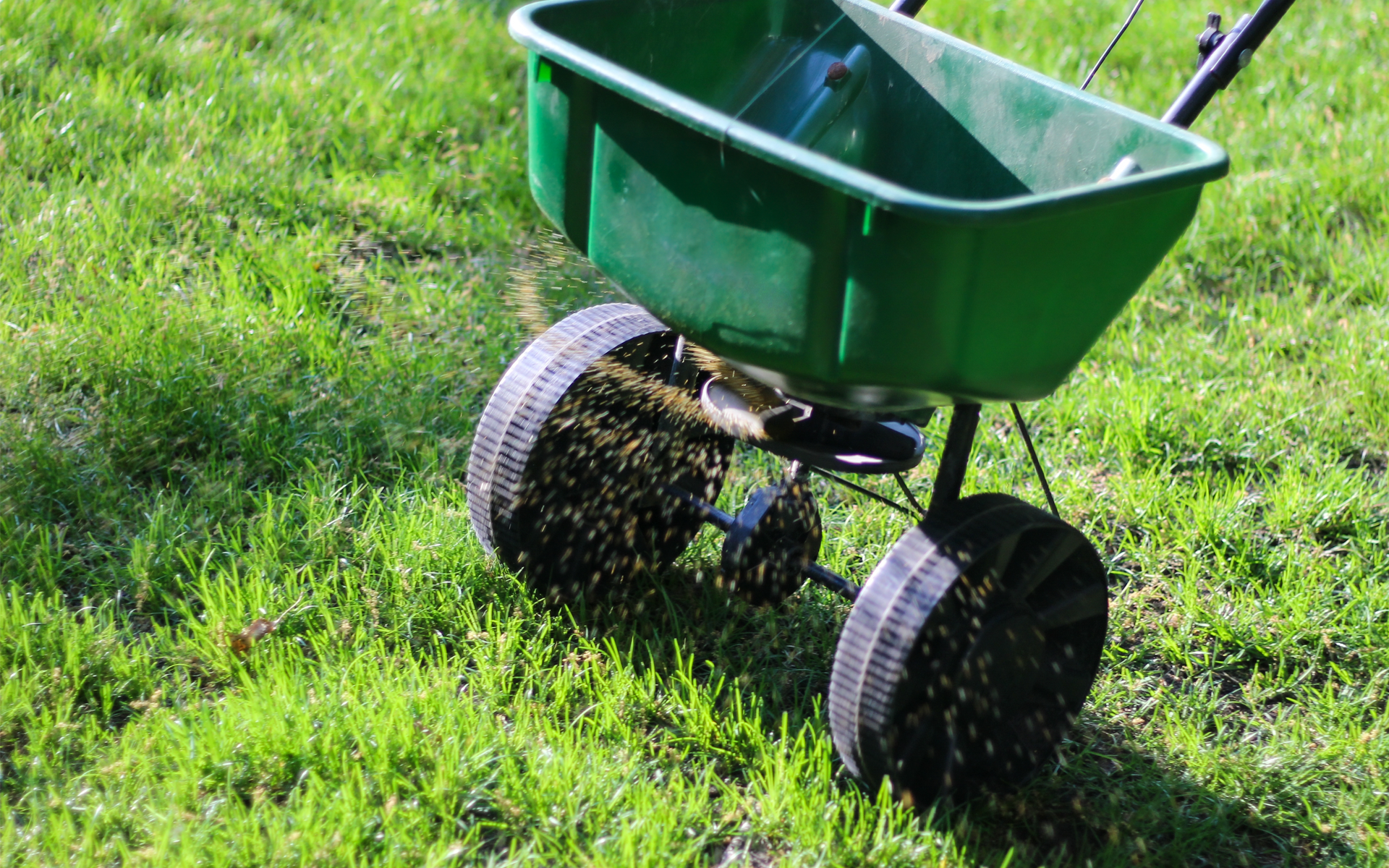
Caring for your lawn across different seasons ensures a healthy, vibrant outdoor space all year round. With Australia’s diverse climates, from tropical up north to the cooler southern regions, your lawn care needs may vary depending on where you live. Let’s dive into practical tips and tricks to keep your lawn thriving no matter the season.
Spring: Prepare for Growth
Spring is the season of growth and renewal, making it the ideal time to prep your lawn for the warmer months ahead.
- Aerate the Soil
After winter, compacted soil can restrict root growth. Aerating your lawn improves air circulation and allows nutrients and water to penetrate deeper. Use a garden fork or mechanical aerator to get the job done.
- Fertilise for a Boost
Apply a high-nitrogen fertiliser to encourage healthy, green growth. Make sure to water the lawn immediately after fertilising to prevent leaf burn and help nutrients seep into the soil.
- Control Weeds
As weeds start to sprout, it’s essential to tackle them early. Spot-treat individual weeds or use a pre-emergent herbicide to keep them at bay without harming your lawn.
- Mow Regularly
Set your mower blades slightly higher in spring to promote deeper root growth. Regular mowing encourages thicker grass, which can naturally crowd out weeds.
Summer: Maintain and Protect

Australia’s hot summers can be brutal on lawns, particularly in areas prone to drought. Here’s how to keep your lawn lush and green through the heat.
- Water Deeply and Early
Watering early in the morning reduces evaporation and allows your lawn to absorb moisture effectively. Aim for deep watering once or twice a week rather than shallow, frequent watering.
- Adjust Mowing Heights
Raise your mower blades during summer to provide shade for the soil and protect grass roots from scorching. Longer grass also helps retain moisture.
- Watch for Pests
Warmer weather can attract pests like lawn grubs. Inspect your lawn regularly for signs of infestation, such as brown patches or increased bird activity. Treat infestations with appropriate pest control methods.
- Minimise Foot Traffic
High foot traffic can stress your lawn during the hottest months. Consider using stepping stones or paths in high-use areas to protect the grass.
Autumn: Prepare for the Cooler Months
Autumn is all about repairing summer damage and getting your lawn ready for winter.
- Dethatch Your Lawn
Thatch is a layer of dead grass and organic matter that can build up over time, preventing water and nutrients from reaching the soil. Use a dethatching rake or machine to clear it out.
- Overseed Bare Spots
Patch up any bare or thin areas by overseeding with a suitable grass variety. This not only improves the look of your lawn but also ensures better coverage to prevent weeds.
- Apply Fertiliser
Use a fertiliser with a balanced mix of nutrients to help your lawn recover from summer and prepare for slower growth in winter.
- Rake Leaves Regularly
Fallen leaves can block sunlight and create damp conditions, encouraging diseases. Keep your lawn clear by raking regularly or using a mulching mower.
Winter: Keep it Healthy
Winter is a quieter time for lawn care, but a little effort can go a long way in ensuring your grass bounces back stronger in spring.
- Limit Watering
In most areas, rainfall is sufficient to meet your lawn’s needs during winter. Overwatering can lead to fungal diseases, so cut back unless the season is unusually dry.
- Avoid Heavy Traffic
Grass grows more slowly in winter, making it less resilient to damage. Minimise heavy foot traffic, particularly in frosty or wet conditions, to avoid compacting the soil.
- Monitor for Disease
Cold and damp conditions can encourage fungal infections. Look out for discoloured patches or mould and treat promptly with a fungicide if needed.
- Keep Mowing Minimal
Grass growth slows significantly in winter, so mowing isn’t needed as frequently. When you do mow, keep the blades higher to avoid stressing the lawn.

Tips for All Seasons
No matter the time of year, some lawn care practices remain consistent.
- Test Your Soil
Regularly testing your soil helps you understand its pH levels and nutrient content. Adjust your fertilisation and soil amendments accordingly to give your lawn the best conditions for growth.
- Use Quality Equipment
Keep your mower blades sharp and your tools in good condition. Dull mower blades can tear grass rather than cut it cleanly, making your lawn more vulnerable to disease.
- Choose the Right Grass
Select a grass variety suited to your region’s climate and your yard’s specific conditions, such as sunlight exposure and soil type. Popular options in Australia include buffalo, couch, and kikuyu grass.
- Focus on Sustainability
Embrace eco-friendly practices like using organic fertilisers, composting grass clippings, and planting drought-tolerant grass varieties. Sustainable lawn care reduces environmental impact while keeping your lawn healthy.
Wrap-Up
Seasonal lawn care doesn’t have to be complicated. By understanding your lawn’s needs throughout the year and following these practical tips, you can achieve a lush, green lawn that thrives in Australia’s varying climates. Whether it’s aerating in spring, watering deeply in summer, or monitoring for disease in winter, consistent effort will pay off with a lawn you can be proud of.