For some sites, taking the air conditioning offline is annoying. For others, it is simply not an option. Critical network rooms, supermarkets, high rise residential towers, hospitals and data centres all depend on stable cooling to keep people safe and equipment online.
Yet the plant that does that job still ages, fails and eventually needs a full HVAC upgrade. The challenge is simple to say and hard to do: replace tired plant with new gear while the building stays live and the cooling does not drop.
Why Zero Downtime HVAC Upgrades Matter
In many buildings, you can plan an outage, shut systems down for a day and get the HVAC upgrade done. In critical and high value sites, that is not realistic.
If cooling drops unexpectedly, you can see:
- IT equipment tripping or throttling due to high temperature
- Food and pharmaceutical stock spoiling in a matter of hours
- Residents in high rise apartments stuck in hot conditions
- Sensitive medical or lab environments drifting out of specification
What “Live” Really Means in an HVAC Upgrade
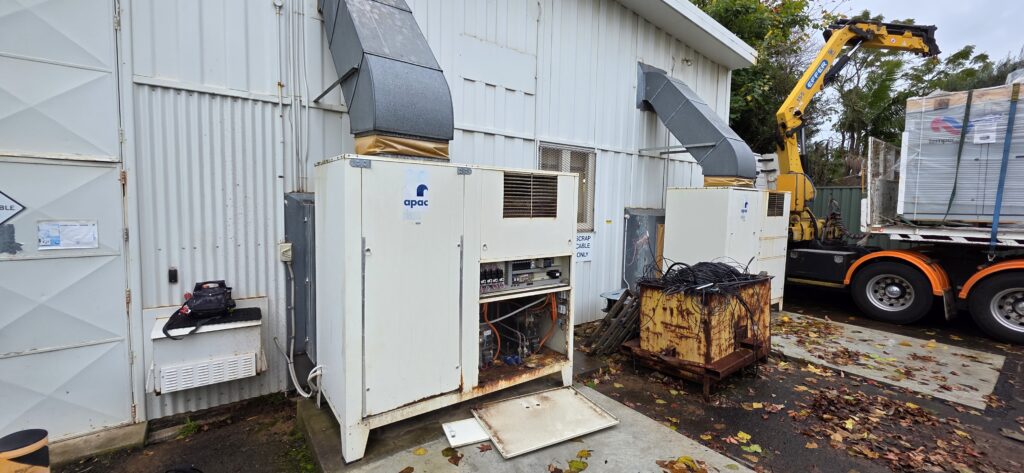
When contractors talk about a live upgrade, they do not mean people working around energised equipment without controls. Live simply means the building or process the HVAC serves cannot be shut down in the usual way.
A genuine live HVAC upgrade usually involves:
- Keeping at least part of the existing plant running at all times
- Using temporary cooling or backup plant to carry the load during changeovers
- Staging electrical and mechanical work in small, sequenced steps
- Coordinating closely with network, operations or facilities teams
- Applying strict lock out, tag out and permit processes
The key idea is that the site’s critical services do not experience loss of cooling, even while the plant and controls behind the scenes are being replaced.
Step 1: Planning Around Risk, Load And Redundancy
Every successful live HVAC upgrade starts on paper. Before anyone touches a tool, the team needs a clear understanding of:
- The critical loads and spaces that must stay within temperature limits
- The existing plant configuration, redundancy and weak points
- How much cooling is genuinely needed at different times of day
- What level of risk the client is willing to accept at each stage
This planning phase often includes:
- Site inspections and detailed surveys of existing plant and switchboards
- Reviewing drawings, asset registers and previous maintenance records
- Talking with on site staff about past failures and near misses
- Building simple load models to understand minimum cooling requirements
The outcome is a staged plan that sets out exactly how the HVAC upgrade will be sequenced and where temporary systems or overlaps between old and new plant are required.
Step 2: Temporary Cooling and Bypass Strategies
If you are trying to keep a critical room or building cool while major plant is being replaced, you need backup. There are a few common strategies for temporary cooling:
- Standalone temporary units – Portable units or temporary package units can be brought in and ducted into key rooms or risers. These often run from temporary power or generators.
- Overlaying new plant before cutover – In some cases, new plant can be installed and commissioned alongside existing plant so both sets can run in parallel for a period.
- Cross connection to nearby systems – Where layouts allow, nearby air conditioning systems can be temporarily linked to support critical spaces.
- Night or off peak windows – Some of the riskiest stages are scheduled for cool weather, overnight or periods of low internal load to give more buffer.
The goal is always the same. At every point during the HVAC upgrade, there is enough capacity available, whether from existing plant, new plant or temporary systems, to hold room conditions inside safe limits.
Step 3: Staged Electrical and Mechanical Changeovers
Mechanical and electrical work in a live upgrade is rarely a single big cutover. It is a series of tightly sequenced steps.
Typical stages include:
- Isolating and removing one unit at a time while others carry the load
- Installing new mechanical plant, pipework and duct connections for that unit
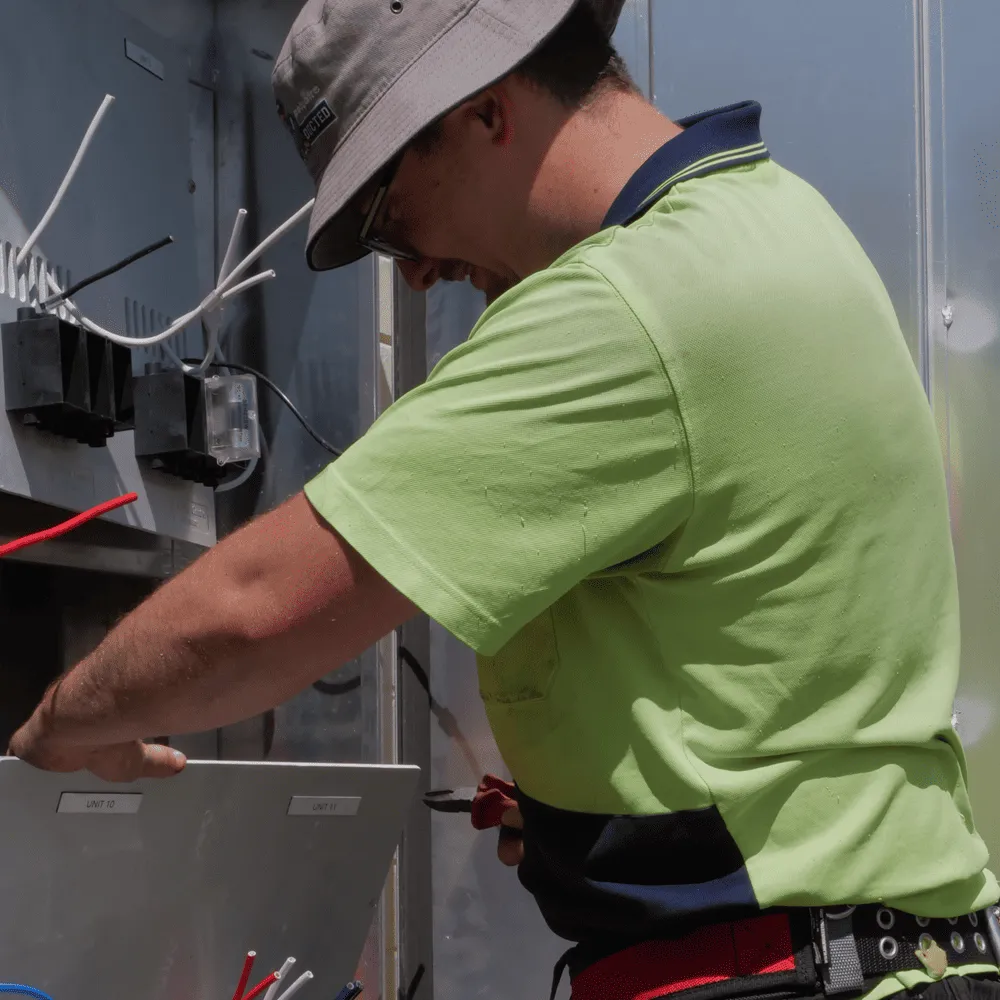
- Upgrading or replacing sections of the mechanical services switchboard
- Connecting new cabling and controls while old circuits remain in service
- Testing individual units locally before integrating them into the wider system
Each step is documented in a method statement or cutover plan, with clear hold points and checks. Nothing moves forward until the new equipment has been proven and the temporary cooling or remaining plant is stable.
This is where a strong mechanical electrical team pays off. When the same contractor is handling plant, switchboards and control panels, it is much easier to coordinate tight changeover windows.
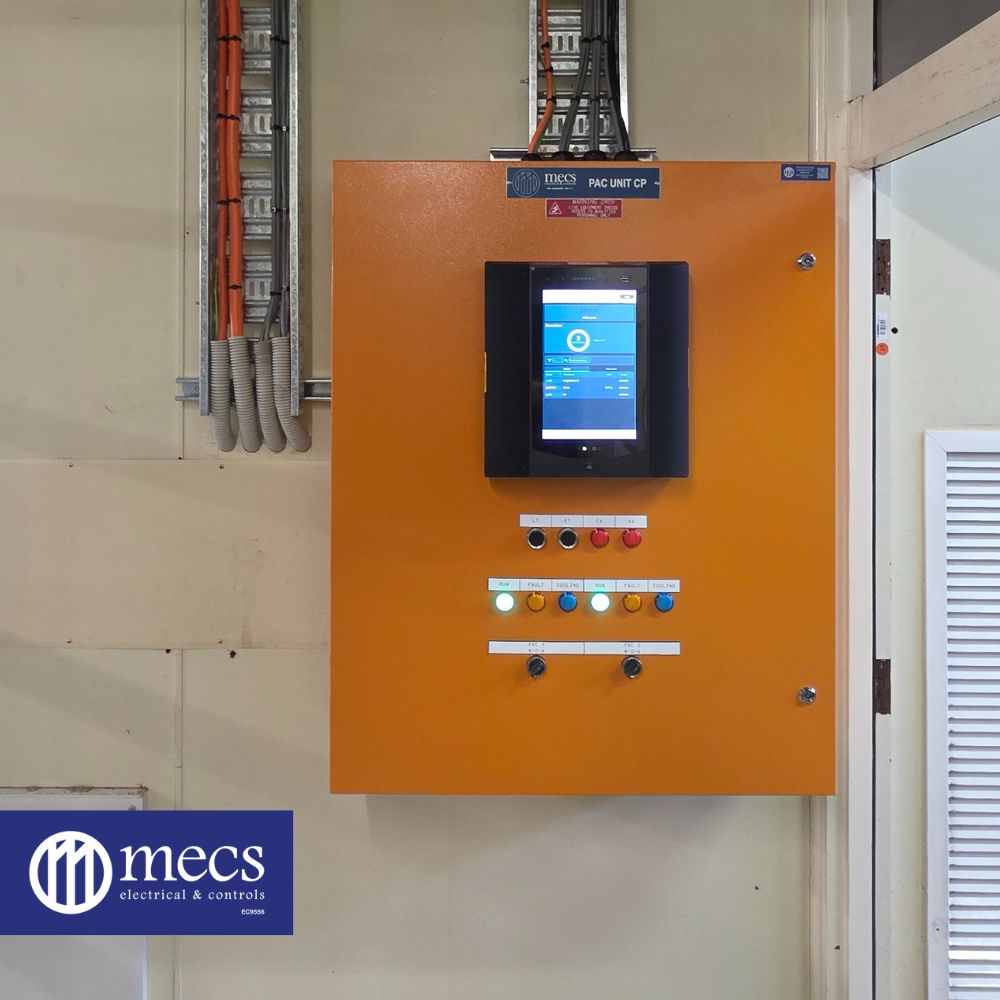
Step 4: Commissioning While the Site Stays Live
Commissioning in a live HVAC upgrade has two extra constraints. First, you cannot take all the plant down at once. Second, you have to commission in a way that does not shock the building.
Instead of a big bang test, commissioning is done in stages:
- New units are started individually and checked at local controllers
- Setpoints and modes are aligned with site standards and existing plant
- Duty and standby sequences are tested with careful observation of room conditions
- Safety interlocks and alarms are proven while backup cooling remains available
Over a period of days or weeks, more of the system shifts onto the new configuration. During that time, room conditions and critical space temperatures are closely monitored to ensure any issues are picked up before they affect operations.
Turning Risky Live Upgrades into Routine Projects
Live HVAC upgrades with no downtime sound risky on the surface, and there is always some risk when working around critical plant. With the right planning and execution, though, they can be delivered in a controlled, repeatable way.